← Back to Care Guides
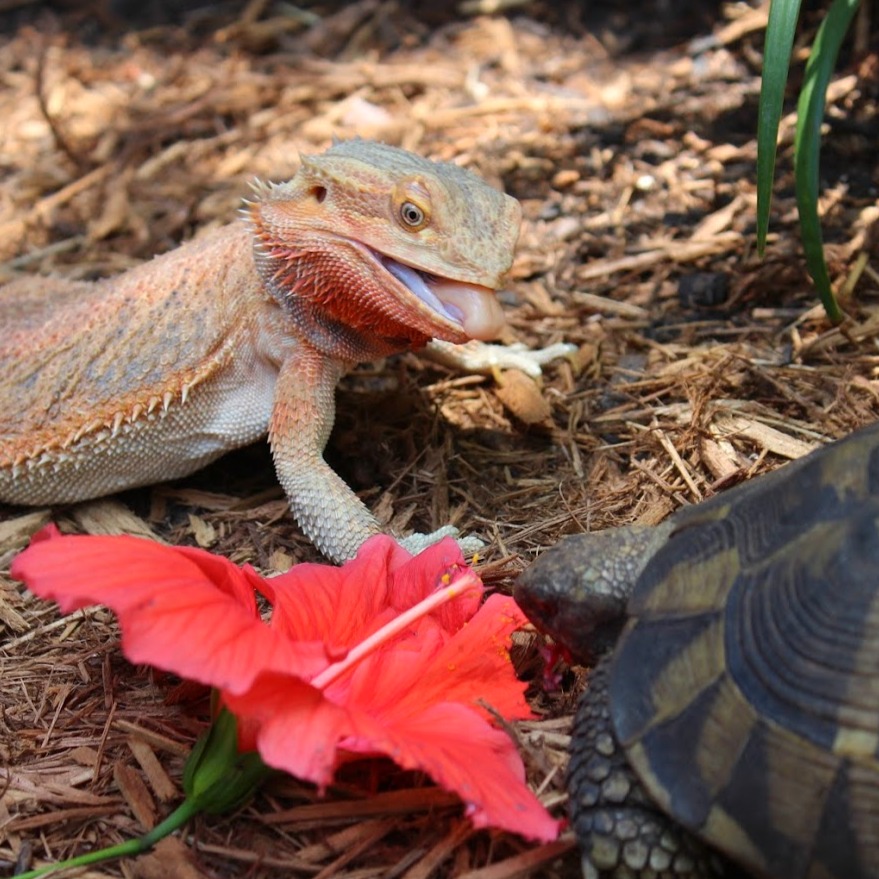
Pogona vitticeps Bearded dragons (Pogona vitticeps) are fascinating and popular pets known for their distinctive "beards" — skin under their throat that puffs up when they are threatened or excited. Originating from the arid woodlands and deserts of Australia, these creatures exhibit a range of intriguing behaviors such as arm-waving and head-bobbing. Adult bearded dragons can grow up to 24 inches in length and with proper care they can live for 10 to 15 years. This guide covers all aspects of bearded dragon care, from enclosure setup to diet, hydration, and handling, ensuring a healthy and enriching environment for your scaly friend.
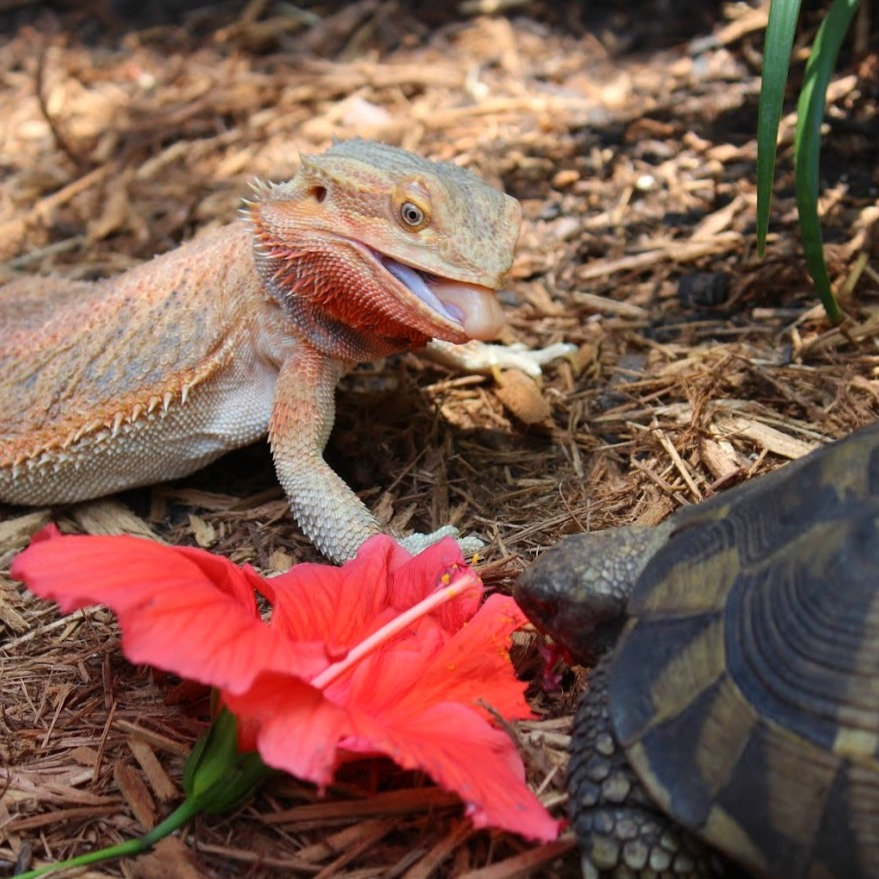
A suitable enclosure for an adult bearded dragon is a tank or vivarium that is at least 120 gallons (4 feet long by 2 feet wide by 2 feet tall). I have rescued and cared for dozens of bearded dragons over the years, and I have noticed they can have very different personalities. Some of my dragons love a big space and will run and climb all over it, but some just stay still most of the day and only really move for the essentials — basking, drinking, sleeping, and eating being their favorites of course. Observe your dragon and see how it reacts in its environment. Give it as much space as it can enjoy and as much as you can provide, but never less than a 40-gallon breeder tank for a juvenile and a full 120-gallon (4x2x2 foot) enclosure for an adult.
For substrate, I always use cypress mulch, as with most of my animals. Other options include reptile carpet, ceramic tiles, or even paper, but never sand. Sand can be swallowed and cause impaction when it comes to feeding. It is essential to maintain a clean water bowl and include elements like basking rocks and a hide for your dragon to sleep under if it wants to. Incorporating hides, rocks, edible plants, and shallow water bowls also creates a naturalistic and stimulating environment for your pet lizard.
Bearded dragons require a basking spot with temperatures around 95 to 110 degrees Fahrenheit and a cooler area between 75 and 80 degrees. They also need UVB lighting to process calcium properly. Being diurnal, they are active during the day, so a proper day and night cycle is important. A timer set to 12 hours that automatically turns the heating and UVB lights on and off is best, since it keeps things consistent and saves you two daily tasks.
Bearded dragons are omnivorous. Their diet should consist of a mix of insects (like crickets, roaches, and mealworms or superworms) and fresh plant matter (such as collard greens, squash, and bell peppers). Young dragons eat more insects for protein, while adults should eat a larger portion of greens. A baby's diet should be roughly 80 percent insects and 20 percent greens, and an adult's diet should be 50/50.
For my adult bearded dragons, I feed greens (Opuntia cactus pads, hibiscus leaves and flowers, mulberry leaves) three days a week and insects (dubia roaches, superworms, and more roaches) three days a week, with one day off where they do not eat. This schedule has worked well for me, but some people prefer to feed greens and insects at the same time. This is better if you have a picky dragon that does not want to eat its vegetables. You can feed them daily or feed them four to five times a week — you will just need to give them appropriately sized portions to avoid an overweight or underweight dragon. Get a feel for this by observing and weighing your dragon regularly.
I am planning to move all my dragons to large outdoor enclosures with plenty of edible plants so they can eat naturally, and I will release some insects in there for them a couple of times a week. This kind of naturalistic setup is ideal if your climate and space allow it.
Always provide fresh, clean water in a shallow dish. Some bearded dragons do not recognize standing water as a source of hydration, so you may need to try different approaches. Misting your bearded dragon with water a few times a week can help, especially during shedding periods. They can lick water droplets from their skin or from the sides of the enclosure.
Incorporating hydrating foods into their diet is another way to make sure they get enough water. Vegetables like cucumbers, bell peppers, and leafy greens have high water content and can contribute to their hydration.
Pay attention to signs of dehydration in your bearded dragon, such as sunken eyes, lethargy, or dry, wrinkled skin. If you notice these signs, you should soak your bearded dragon in shallow lukewarm water to rehydrate it quickly. Consult a veterinarian if the signs continue.
It is also important to avoid over-hydrating your bearded dragon. Their natural habitat does not have much water, so their bodies are not adapted to process a lot of moisture. Over-hydration can lead to health problems.
Supplements like calcium and vitamin D3 are essential a few times a week to prevent nutritional deficiencies. I dust my feeder insects with calcium powder three to four times a week and use a multivitamin supplement once a week. If your dragon does not have access to natural sunlight, UVB lighting is absolutely critical for vitamin D3 synthesis and calcium absorption.
Bearded dragons are generally docile and can be handled regularly. However, always support their body fully and avoid sudden movements to prevent stress. Regular, gentle handling can foster trust and a bond between you and your pet.
Be aware of their mood and give them space if they seem stressed or agitated. Signs of stress include a darkened beard (their beard turns black), head bobbing, running away from your hand, or opening their mouth wide in a defensive posture. If you see any of these signs, back off and try again later when the dragon has calmed down.
The best way to start taming a bearded dragon is to spend time near the enclosure so it gets used to your presence. Then begin hand-feeding treats like dubia roaches or superworms. Once the dragon associates your hand with food and safety, you can start gently picking it up with both hands supporting its body. Short, positive handling sessions are better than long stressful ones, especially at first.
Most bearded dragons become very comfortable with their owners over time. Many will sit calmly on your lap, ride on your shoulder, or even fall asleep on you. They are one of the few reptile species that genuinely seem to enjoy human interaction, which is one of the reasons they are so popular as pets.
Bearded dragons are one of the best beginner reptiles you can keep. They are hardy, personable, and endlessly entertaining to watch. With the right enclosure, diet, and handling, your bearded dragon will thrive for years to come.
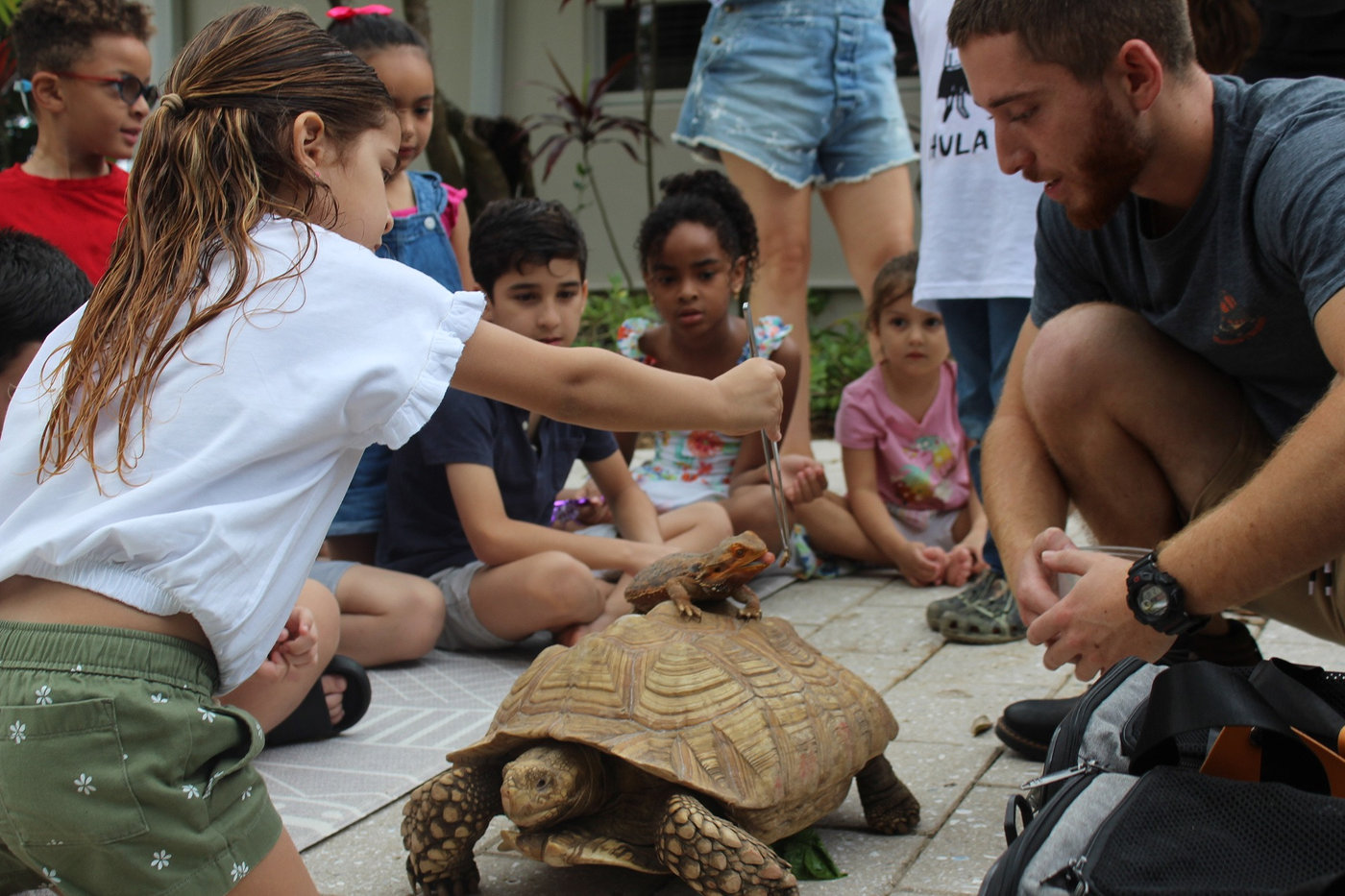
Check out our other care guides for more species-specific tips, or visit our encounters page to book a show and meet bearded dragons and other amazing animals in person.