← Back to Care Guides
This article will show you how to care for Cuban Rock Iguanas, a striking and resilient reptile native to the rocky habitats of Cuba. These iguanas are known for their robust size and territorial nature, and they require special attention to thrive in captivity. I have provided videos from my YouTube channel that will be linked throughout this care guide for those that prefer to learn from videos. I also have Cuban Rock Iguana for sale available on the bottom of this page.
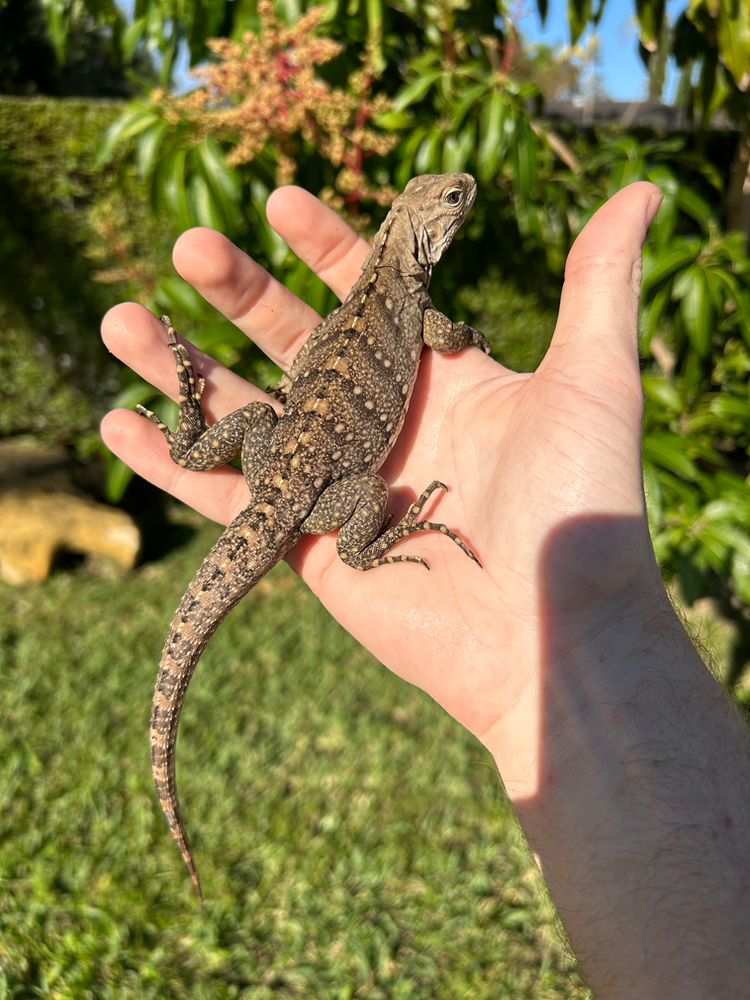
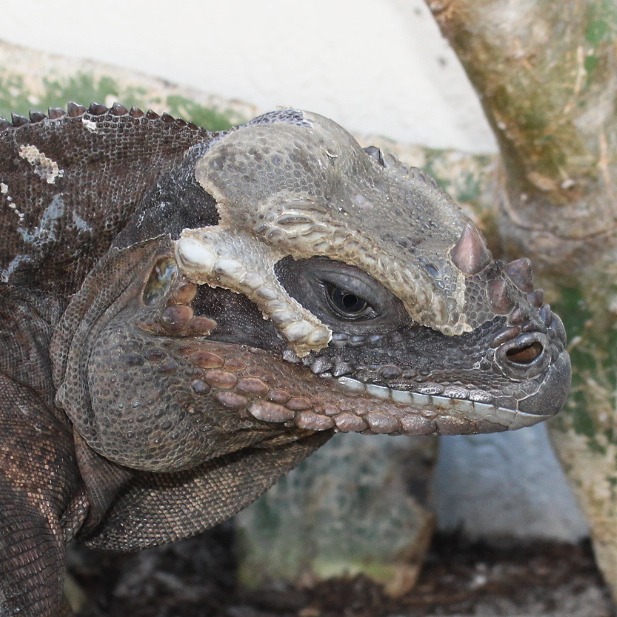
Cuban Rock Iguanas are resilient , often reaching up to 5 feet in length, and can live up to 30 years in captivity, which shows just how adaptable and strong they are. Their diet is primarily herbivorous, consisting of a variety of plants, fruits, and leaves, reflecting their natural foraging on the rocky landscapes of Cuba. Their skin colors can vary from steely grey to olive green, with some exhibiting beautiful dark brown stripes or red hues, helping them blend into their rocky surroundings and avoid predators. This camo ability is key in the wild, where they face threats from predators and human activities.
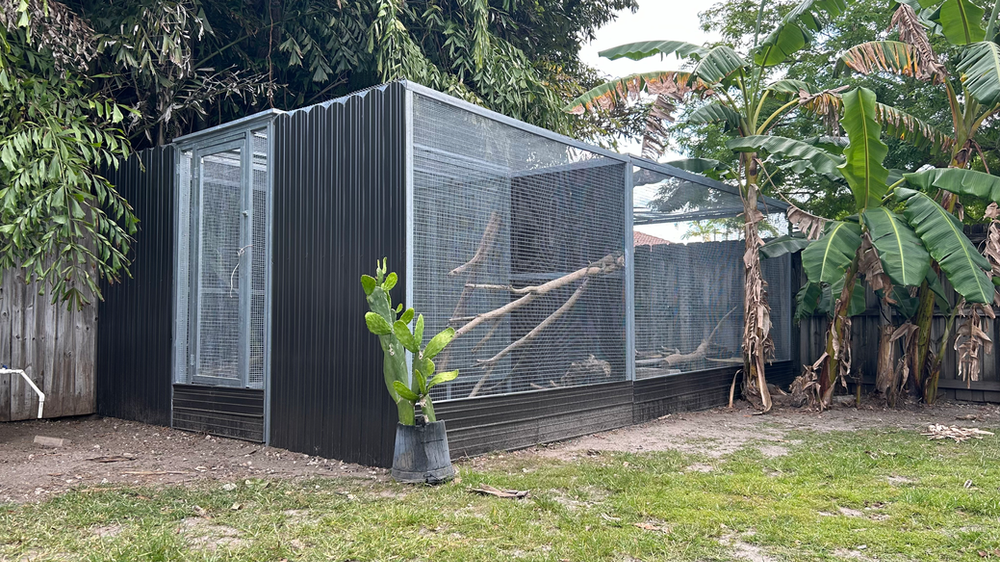
When designing an enclosure for a Cuban Rock Iguana, it is crucial to replicate its natural habitat as closely as possible. These iguanas require a spacious environment with ample space for roaming, climbing, and basking. An ideal enclosure for an adult Cuban Rock Iguana should measure at least 6 feet in length, 4 feet in width, and 4 feet in height. A larger space is preferable, especially for active and territorial animals such as these.
For the substrate, a mixture of coconut fiber or cypress mulch, sand, or topsoil with a depth of 4 to 6 inches to accommodate digging behavior.
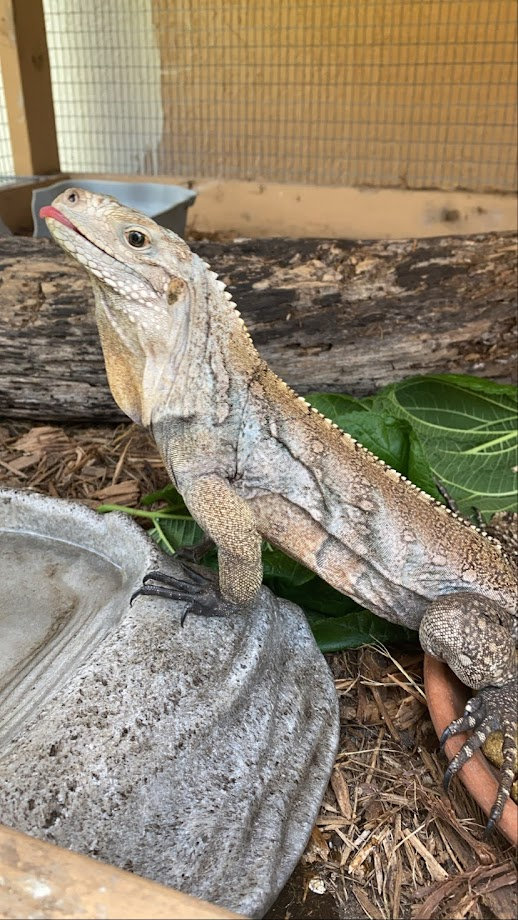
Maintaining the enclosure's moisture is vital, ensure the humidity levels are kept between 65-80%. Decorative rocks, branches, and large flat stones can be added for basking. Additionally, providing a nesting box with extra substrate can offer the iguana a sense of security and protection.
The Cuban Rock Iguana requires a basking spot with a temperature of approximately 100-110°F, while the cooler side of the enclosure should range from 75°F to 85°F. UVB lighting is essential for their health, facilitating the synthesis of Vitamin D3, which supports calcium absorption. Maintain humidity by misting the enclosure or using a humidifier to ensure optimal levels.
As Cuban Rock Iguanas are diurnal, they are most active during the day. It is important to provide a suitable UVB light source and a heat lamp to simulate the conditions of their natural environment.
Cuban Rock Iguanas are herbivores, and their diet should consist primarily of leafy greens, fruits, and vegetables. A typical weekly diet might include items such as collard greens, opuntia cactus, hibiscus flowers, and a variety of fruits like papaya, mango, and bananas. They can also enjoy shredded squash, carrots, and other vegetables. Protein should be avoided or only offered in small quantities, as a plant-based diet is crucial for their overall health. I offer a pellet diet 2-3 times a week to ensure they get all the vitamins and calcium that they need.
Hydration is critical for these iguanas, and they should have access to fresh water at all times. While they are not heavy drinkers, regular misting of their enclosure and soaking them in shallow water can help with hydration and skin shedding.
Calcium and vitamins are essential for a Cuban Rock Iguana’s health. Supplement their diet with a calcium powder two to three times per week to support bone health, as well as a multivitamin supplement to ensure they get all the nutrients they need if you do not offer a pellet diet.
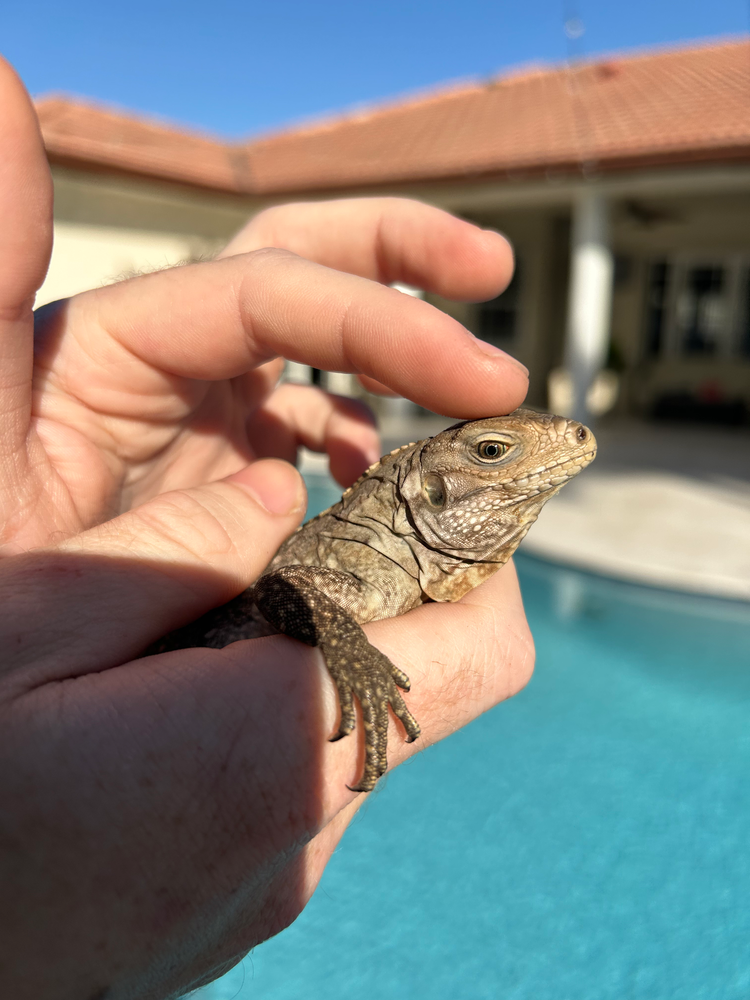
Cuban Rock Iguanas can be quite docile with the right handling techniques, though they may initially be skittish or territorial. They often become more comfortable around their owners over time with consistent, gentle handling. It is important to approach them slowly and calmly, allowing the iguana to become accustomed to your presence before attempting to pick it up.
Avoid grabbing them by the tail or neck, as this can stress them out. Instead, support their entire body with both hands, gently lifting them up while ensuring they feel stable and secure. Overhandling can cause stress and should be minimized, especially if the iguana shows signs of being uncomfortable. Always allow your Cuban Rock Iguana time to explore its environment independently, as they are naturally independent and enjoy their personal space.
• Start with short, gentle sessions to build trust.
• Avoid handling when the iguana is shedding or has just eaten.
• Use calm and slow movements to avoid startling the iguana.
• Reptile Handling Gloves
• Feeding Tongs
With these guidelines in mind, your Cuban Rock Iguana will thrive in a safe, comfortable environment, and with proper care, it can live a long, healthy life.
These care guides that I write are used daily and followed as law here at Shadow’s Reptiles. I am constantly working on improving them and the quality of care for my animals. I appreciate any and all feedback I receive, and in trade for your corrections, questions, and comments, I promise to keep all care guides updated with the best possible care tips I can offer linked with updated YouTube videos and the products that I use for my animals.