← Back to Care Guides
Squirrel monkeys are one of the most charismatic and intelligent primates you can keep in captivity, but they are also one of the most demanding. These small, active New World monkeys require an enormous commitment of time, space, and resources. As someone who works with primates at Shadow's Reptiles and brings them to educational encounters across South Florida, I want to be completely transparent about what squirrel monkey ownership actually involves. This is not a pet for casual exotic animal enthusiasts. If you are ready for the commitment, however, a squirrel monkey can be one of the most rewarding companions you will ever have.
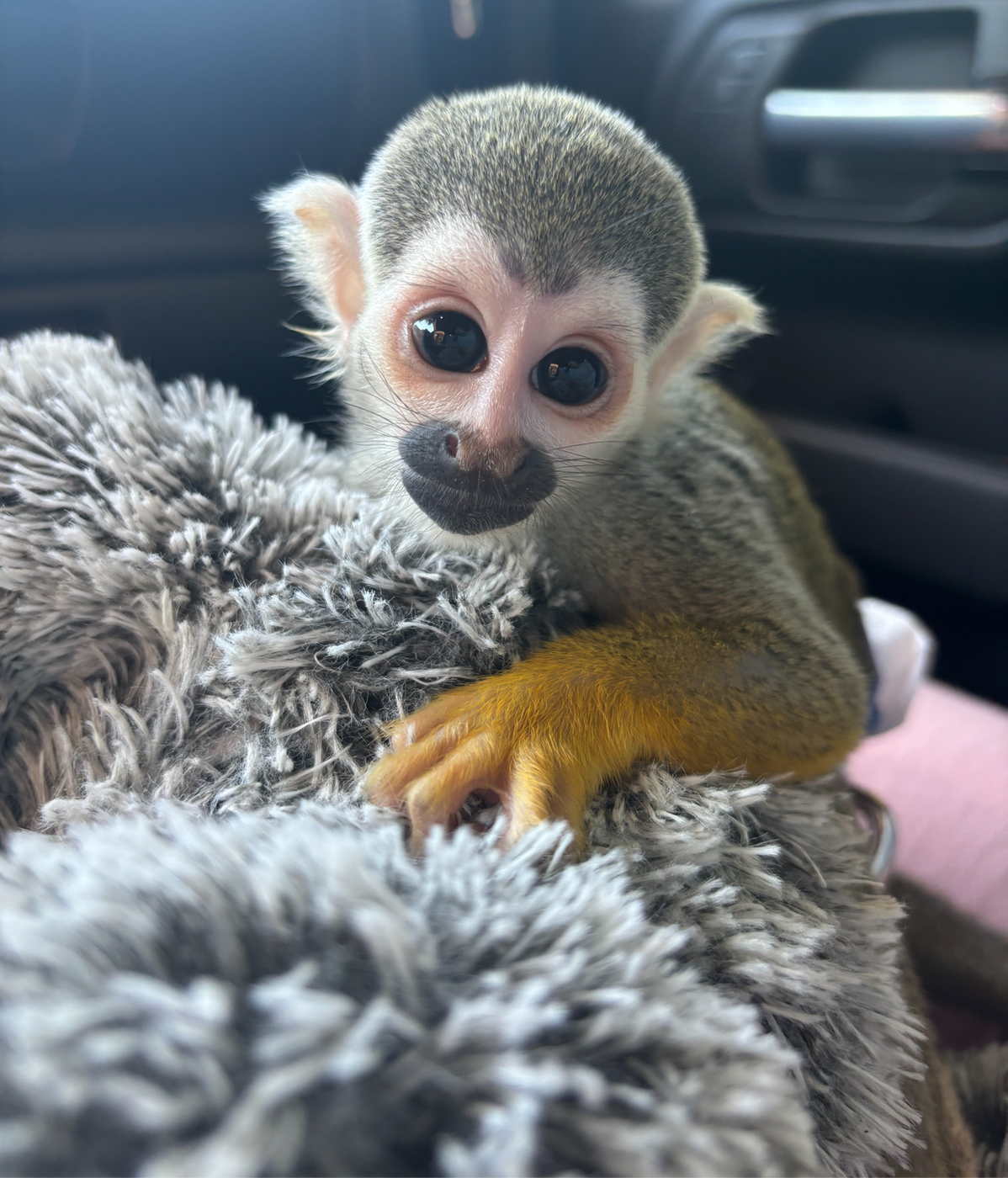
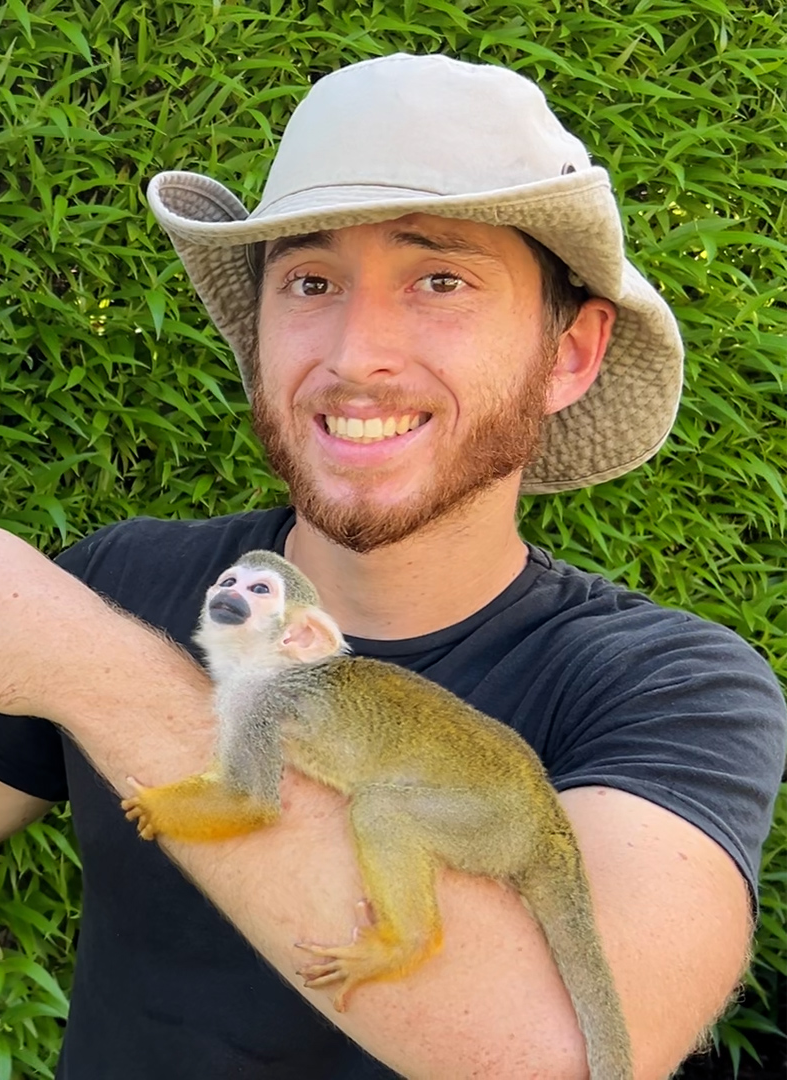
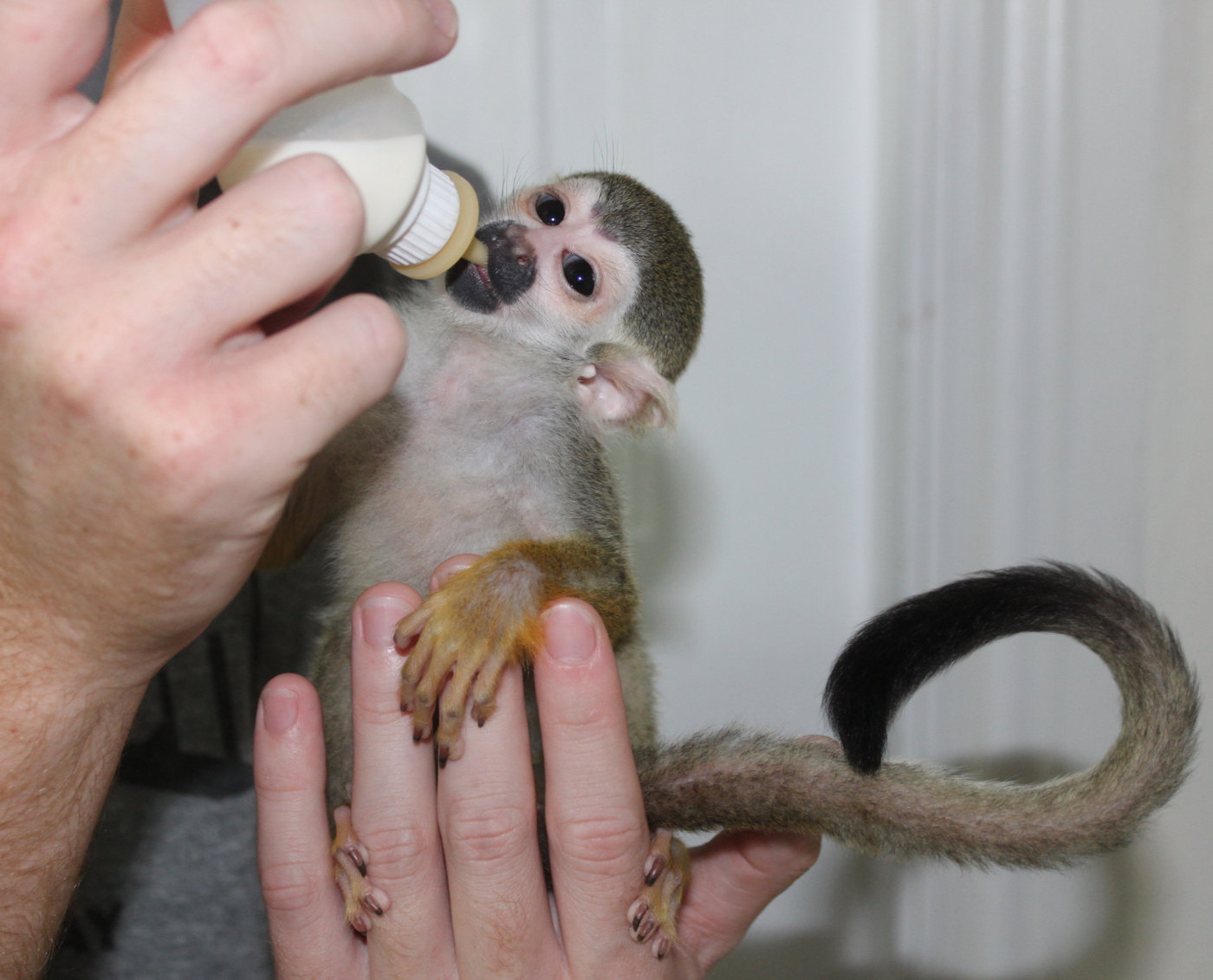
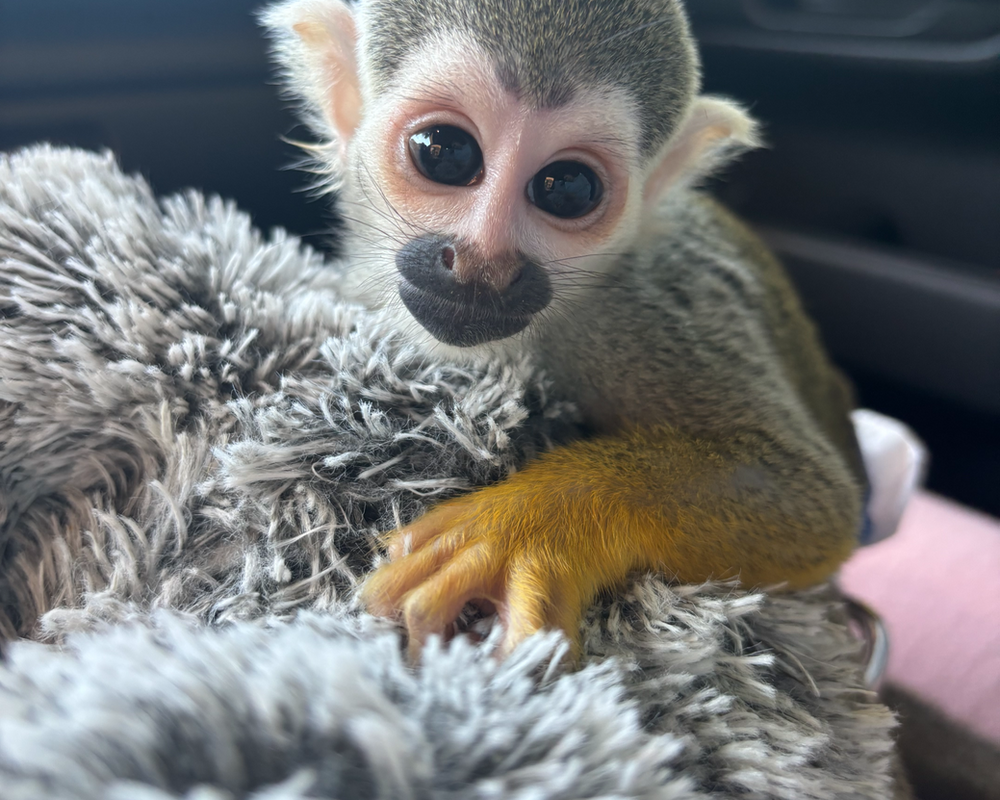
Squirrel monkeys (Saimiri sciureus) are small primates native to the tropical forests of Central and South America. Adults typically measure 10 to 14 inches in body length with a tail that adds another 14 to 17 inches. They weigh between 1.5 and 2.5 pounds, making them one of the smaller monkey species commonly kept in captivity.
In the wild, squirrel monkeys live approximately 15 years. In captivity with excellent care, they can live 20 to 25 years or more. This is a multi-decade commitment, and you need to plan for their care throughout their entire lifespan, including what happens to them if your circumstances change.
Before considering a squirrel monkey, you must understand the legal landscape. In Florida, squirrel monkeys require a Class III Wildlife License, which involves an application, fee, and inspection of your facilities. Laws vary significantly by state, and many states prohibit primate ownership entirely. Some counties and cities have additional restrictions beyond state law. Always verify your local regulations before acquiring any primate.
You will also need to find an exotic veterinarian who has experience with primates before bringing a squirrel monkey home. Primate veterinary care is specialized and not available at every animal clinic.
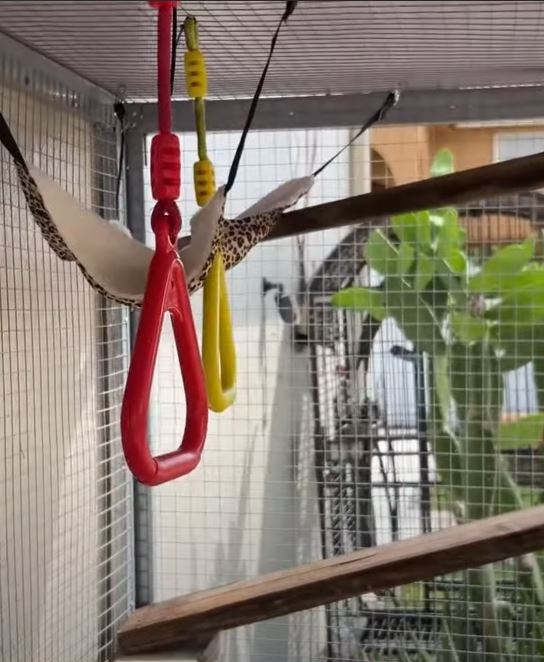
Squirrel monkeys are incredibly active and athletic. They need far more space than their small size might suggest. The absolute minimum enclosure size for a single squirrel monkey is 6 feet wide, 6 feet deep, and 8 feet tall, but bigger is always better. For a pair or small group, which is strongly recommended, you need an enclosure that is at least 8 feet by 8 feet by 10 feet. Many keepers convert entire rooms or build large outdoor aviaries for their monkeys.
The enclosure should be constructed with welded wire mesh or stainless steel panels. Regular chicken wire is not sufficient because squirrel monkeys are strong for their size and can damage or escape through flimsy materials. The mesh spacing should be no larger than 1 inch by 1 inch to prevent escapes and to keep predators out of outdoor enclosures.
Inside the enclosure, provide an extensive network of branches, ropes, platforms, and climbing structures at multiple levels. Squirrel monkeys are arboreal and spend the majority of their time above ground level. Natural branches of varying diameters are ideal because they exercise the hands and feet differently. Include hammocks, swings, and nesting boxes for resting.
Temperature is critical for squirrel monkeys. They thrive in temperatures between 75 and 85 degrees Fahrenheit and should never be exposed to temperatures below 60 degrees. In South Florida, outdoor housing works well for most of the year, but you need a heated indoor area for cool nights and cold fronts. Many keepers use ceramic heat emitters or radiant heat panels in the indoor section.
Humidity should be maintained between 50 and 70 percent. Regular misting, shallow water features, or a humidifier in the indoor space can help maintain appropriate levels.
UVB lighting is beneficial for primates kept indoors. Natural sunlight is ideal, but if your monkey spends significant time indoors, provide a full-spectrum UVB light source to support vitamin D3 synthesis.
Enrichment is not optional for squirrel monkeys. It is an absolute necessity. These are highly intelligent animals with complex social and cognitive needs. Without adequate mental stimulation, squirrel monkeys develop serious behavioral problems including self-mutilation, aggression, depression, and repetitive stereotypic behaviors.
Rotate toys and enrichment items frequently. Puzzle feeders that require the monkey to work for its food are excellent. Foraging trays filled with substrate where you hide food items encourage natural foraging behavior. Offer a variety of textures, sounds, and objects to investigate. Cardboard boxes, paper bags, and natural materials like leaves and branches all make great enrichment.
Water play is enjoyed by many squirrel monkeys. A shallow pan of water with floating objects or a gentle misting session can provide entertainment and cooling during warm weather.
Social interaction is the most important form of enrichment. Squirrel monkeys are highly social animals that live in groups of 20 to 75 individuals in the wild. Keeping a single squirrel monkey is strongly discouraged unless you can dedicate several hours every single day to direct interaction. Even then, human companionship does not fully replace the social dynamics of another monkey. If at all possible, keep squirrel monkeys in pairs or small groups.
Squirrel monkeys are omnivores with complex dietary needs. In the wild, they eat a varied diet of fruits, insects, flowers, nectar, and small vertebrates. In captivity, replicating this nutritional variety is essential for their health.
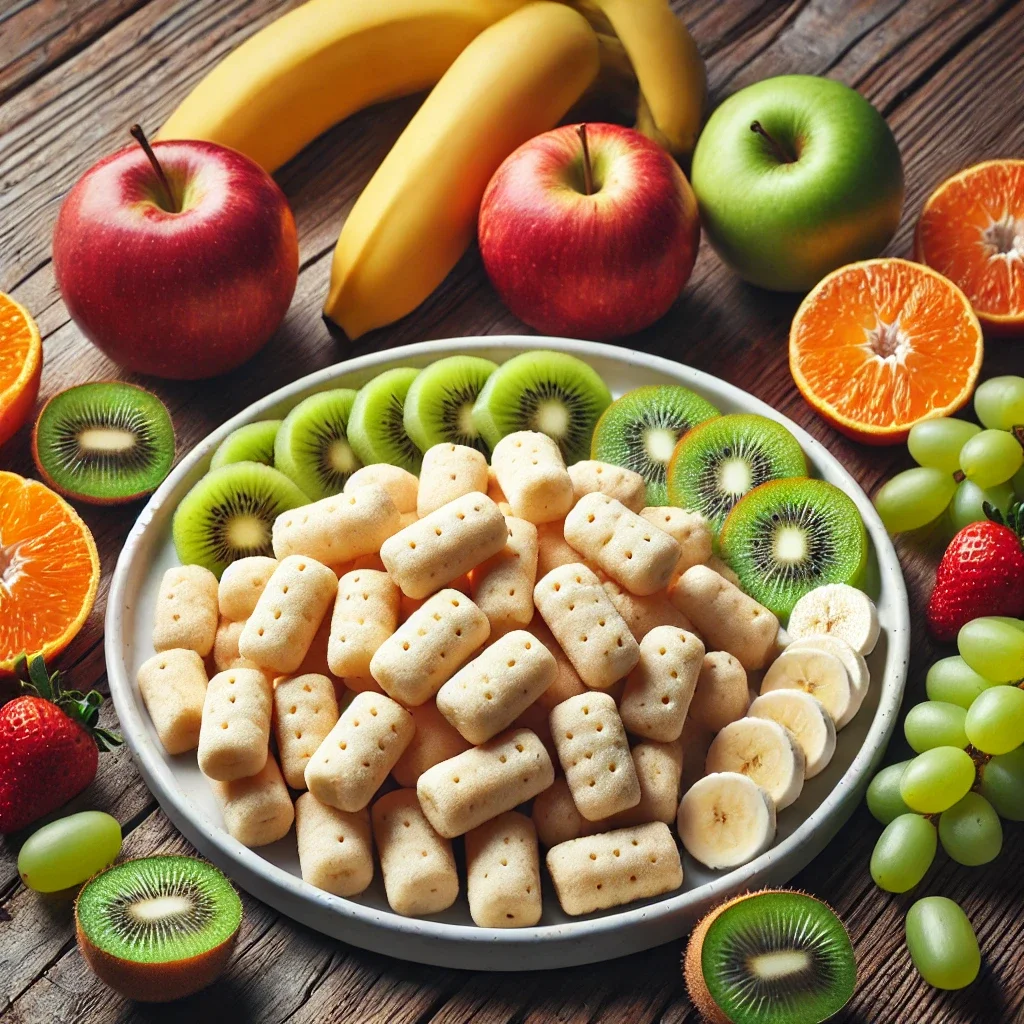
A balanced daily diet for a squirrel monkey should include a high-quality commercial primate biscuit or pellet as the base, making up approximately 40 to 50 percent of the diet. I recommend brands specifically formulated for New World primates.
Fresh fruits should make up about 20 to 25 percent of the diet. Offer a rotating variety including bananas, grapes, blueberries, strawberries, mango, papaya, melon, and apples. Cut fruits into small, manageable pieces. Avoid citrus in large quantities as it can cause digestive upset.
Vegetables should make up about 15 to 20 percent. Good options include sweet potato, squash, green beans, peas, carrots, and leafy greens like kale and romaine. Cook hard vegetables like sweet potato and carrot to make them easier to eat.
Protein sources are essential and should make up about 10 to 15 percent of the diet. Offer mealworms, crickets, dubia roaches, and hard-boiled eggs. Some keepers also offer small amounts of cooked chicken. Insects provide important protein and fat, and the act of catching live insects provides mental stimulation.
Fresh water must be available at all times. Use a water bottle with a sipper tube as well as a bowl, since some monkeys prefer one method over the other. Change water daily.
Supplements are important. Dust food with a primate-specific vitamin and mineral supplement two to three times per week. Vitamin D3 supplementation is particularly important for indoor monkeys, and vitamin C is essential since primates, like humans, cannot synthesize it on their own.
Foods to avoid include anything high in processed sugar, chocolate, caffeine, alcohol, avocado, and raw onions. Dairy products should be given sparingly if at all, as many primates are lactose intolerant.
Squirrel monkeys bond strongly with their primary caregivers when socialized from a young age. However, the bonding process requires patience, consistency, and an understanding of primate behavior.
Start socialization early. Young squirrel monkeys are more receptive to bonding and handling. Use positive reinforcement exclusively. Treats, gentle voice, and calm movements build trust over time. Never punish a squirrel monkey. Physical discipline will destroy trust and create a fearful, aggressive animal.
During the initial bonding period, spend time sitting quietly near the enclosure so the monkey becomes accustomed to your presence. Offer favorite treats by hand. Over time, the monkey will associate you with positive experiences and begin to seek out your attention.
Once bonded, squirrel monkeys often enjoy sitting on their owner's shoulder, riding in a pouch or carrier, and being gently held. They can be remarkably affectionate with people they trust. However, they may be wary or aggressive toward strangers.
Important behavior notes: Squirrel monkeys communicate through a complex system of vocalizations, body postures, and scent marking. Males in particular will scent mark by urinating on their hands and rubbing them on surfaces and on themselves. This is normal behavior and cannot be trained away. It is one of the less glamorous aspects of primate ownership that potential owners need to accept.
Squirrel monkeys can bite, and while their small size means bites are rarely dangerous, they can break skin. Bites usually occur when the monkey is frightened, overstimulated, or defending resources. Understanding primate body language helps you avoid situations that lead to biting.
Squirrel monkeys are susceptible to several health issues in captivity. Metabolic bone disease can occur with inadequate calcium, vitamin D3, or UVB exposure. Diabetes is relatively common in captive squirrel monkeys, particularly those fed diets high in fruit sugar. Obesity is a risk for monkeys that are overfed and under-exercised. Respiratory infections can occur in cold or drafty environments.
Annual veterinary checkups with a primate-experienced exotic vet are essential. Blood work should be done annually to monitor glucose levels and organ function. Dental issues can develop, so oral health should be assessed during checkups as well.
Squirrel monkeys should be tested for common primate diseases and parasites, especially if they will be in contact with other animals during encounters or at events.
Before committing to a squirrel monkey, honestly assess whether you can provide the following for the next 20 to 25 years: a large, climate-controlled enclosure with extensive enrichment that is rotated regularly, several hours of daily social interaction, a varied and nutritionally complete diet prepared fresh daily, access to a primate-experienced veterinarian with annual checkups budgeted, compliance with all local, state, and federal regulations, and a backup plan for the animal's care if your circumstances change.
If you can say yes to all of these, a squirrel monkey can be an extraordinary companion. They are intelligent, playful, affectionate, and endlessly entertaining. Watching a bonded squirrel monkey interact with its environment and with you is truly special.
If you are not sure, I encourage you to come meet our squirrel monkeys at one of our animal encounters first. Getting hands-on time with the animals and talking with experienced handlers is the best way to understand what primate ownership really involves.
Check out our other care guides for more species-specific tips, and visit our encounters page to book a show where you can meet monkeys, reptiles, and other exotic animals in person.