← Back to Care Guides
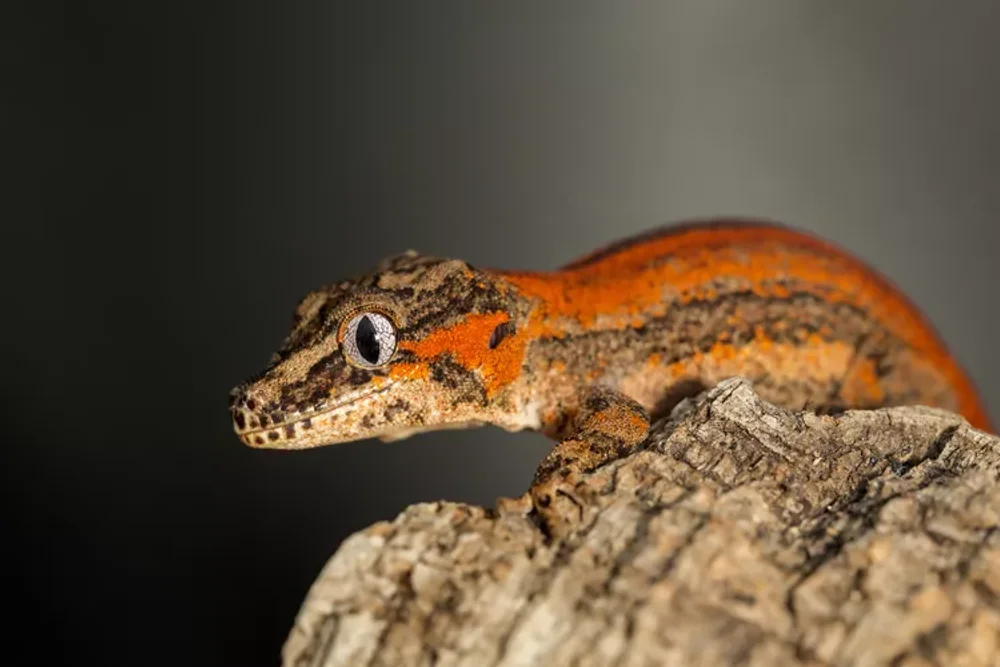
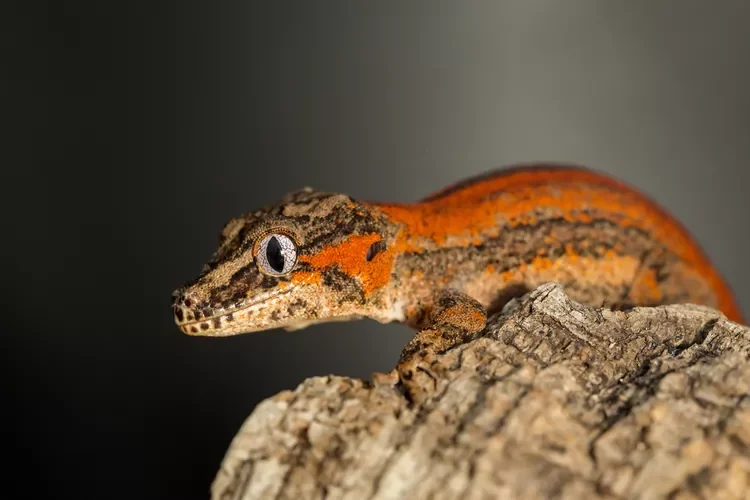
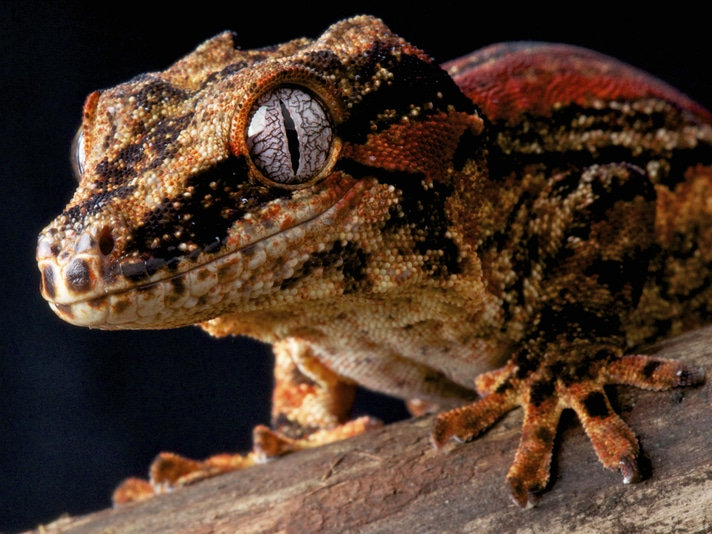
If you're looking for a unique, low-maintenance gecko with tons of personality, the gargoyle gecko (Rhacodactylus auriculatus) is one of my all-time favorite recommendations. Native to the southern end of New Caledonia, a group of islands in the South Pacific, these incredible little geckos get their name from the cranial bumps and ridges on their heads that give them a gargoyle-like appearance. Adults typically reach 7 to 9 inches in total length and weigh between 60 and 80 grams. With proper care, gargoyle geckos can live 15 to 20 years in captivity, making them a long-term companion that's well worth the investment.
A proper enclosure is the foundation of good gargoyle gecko care. Since these geckos are arboreal, meaning they spend most of their time climbing and hiding in elevated spots, you want a vertically oriented terrarium. I recommend an 18x18x24 inch front-opening enclosure for a single adult. If you're keeping a pair, go bigger. Front-opening enclosures are much easier to work with than top-opening tanks because gargoyle geckos tend to hang out near the top of their habitat, and opening from the front is less stressful for them.
For substrate, I've had great results with coconut fiber, a jungle mix of coconut fiber and bark, or bioactive soil blends if you want to go the bioactive route. These substrates hold humidity well and look natural. Avoid loose substrates like sand or gravel that could cause impaction if accidentally ingested. On top of your substrate, add a layer of leaf litter or sphagnum moss to help lock in moisture.
Decoration is important for these guys. Load the enclosure with cork bark tubes, branches, and live or artificial plants. Gargoyle geckos need vertical climbing surfaces and plenty of hiding spots at different heights. I always include at least two or three cork bark hides positioned at various levels in the enclosure. Live plants like pothos, bromeliads, and ficus work beautifully and help maintain humidity. The more cover you provide, the more secure and active your gecko will be.
One of the reasons I love gargoyle geckos is that their temperature requirements are very manageable. They thrive at ambient temperatures between 72 and 78 degrees Fahrenheit during the day. A slight nighttime drop to around 65 to 72 degrees is perfectly fine and actually mimics their natural environment. The critical thing to remember is that gargoyle geckos do not tolerate high heat. Temperatures above 82 degrees Fahrenheit can cause serious stress and even death. If your home runs warm in the summer, you may need to provide air conditioning or move the enclosure to a cooler room.
In most homes, you won't need any supplemental heating. If your room temperature drops below 68 degrees regularly, a low-wattage ceramic heat emitter or a small heat mat on a thermostat can help. Always use a thermostat with any heat source to prevent overheating.
Humidity should be maintained between 60 and 80 percent. I recommend misting the enclosure thoroughly twice a day, once in the morning and once in the evening. Between mistings, the humidity can drop to around 50 percent, which is fine as long as it spikes back up during misting sessions. This wet-dry cycle mimics natural conditions and helps prevent respiratory and skin issues. Use a digital hygrometer to monitor levels accurately.
Gargoyle geckos are crepuscular, meaning they're most active during dawn and dusk. While they don't strictly require UVB lighting to survive, I strongly recommend providing a low-level UVB source. Modern reptile husbandry research shows that even species that are active in low light benefit from UVB exposure. It supports proper calcium metabolism, immune function, and overall wellbeing. A Shade Dweller or 5 percent UVB bulb positioned on top of the screen is ideal. Make sure the basking branch is at least 6 inches below the lamp to prevent overexposure. Replace UVB bulbs every 12 months, as their output degrades over time even if the light still turns on. Maintain a consistent 12-hour day and night cycle to support their natural rhythm.
Feeding gargoyle geckos is straightforward, which is another reason they make such great pets. The backbone of their diet should be a high-quality powdered crested gecko diet such as Pangea or Repashy. These meal replacement powders are nutritionally complete and contain the fruit, protein, vitamins, and minerals your gecko needs. Mix the powder with water to a smooth, applesauce-like consistency and offer it in a small elevated feeding dish. Replace it every 24 to 48 hours.
In addition to the powdered diet, I recommend offering live insects once or twice a week for enrichment and extra protein. Appropriately sized crickets and dubia roaches are excellent choices. The insects should be no larger than the space between your gecko's eyes. Dust live feeders with a calcium supplement without vitamin D3 at every feeding, and use a calcium with D3 supplement once every two weeks. If you're providing UVB lighting, you can rely less heavily on D3 supplementation, but a light dusting every couple of weeks is still good insurance.
Gargoyle geckos primarily drink water droplets from misting rather than from a standing water dish. Your twice-daily misting routine will serve double duty by maintaining humidity and providing drinking water. That said, I still recommend keeping a small water dish in the enclosure as a backup. Some geckos will learn to drink from it, and it contributes to ambient humidity. Use dechlorinated or spring water for both misting and the water dish.
Gargoyle geckos are generally docile and tolerate handling well once they're accustomed to you. When you first bring your gecko home, give it at least two weeks to settle in before attempting to handle it. Start with short sessions of just a few minutes and gradually increase the duration. Move slowly and let the gecko walk from hand to hand rather than grabbing or restraining it.
One thing to be aware of is that gargoyle geckos can drop their tails if they feel threatened. Unlike crested geckos, gargoyle geckos will regenerate their tails, though the regrown tail won't look exactly like the original. Tail loss is not a medical emergency, but it's a sign that the gecko was stressed. Avoid sudden movements, loud noises, and grabbing the tail area. Most gargoyle geckos that are handled regularly become quite tame and rarely drop their tails.
Gargoyle geckos can also be a bit nippy compared to crested geckos, especially juveniles. Their bites are not painful for adults but can startle you. With consistent, gentle handling, most geckos outgrow this behavior.
Gargoyle geckos are generally hardy, but there are a few health issues to watch for. Metabolic bone disease is the most serious concern and results from inadequate calcium intake or insufficient UVB exposure. Signs include rubbery or deformed jaw bones, kinked tails, tremors, and difficulty climbing. Prevention is simple with proper supplementation and UVB lighting.
Stuck shed is another common issue, especially when humidity is too low. You'll notice patches of old skin clinging to the toes, tail tip, or around the eyes. If this happens, increase your misting frequency and provide a humid hide with damp sphagnum moss. Never pull stuck shed off, as this can injure the delicate skin underneath. A warm soak can help loosen stubborn patches.
Respiratory infections can occur if the enclosure is too cold, too damp without proper ventilation, or both. Symptoms include wheezing, mucus around the nose or mouth, lethargy, and loss of appetite. If you notice any of these signs, check your temperatures and ventilation, and consult a reptile veterinarian.
Parasites, both internal and external, can affect gargoyle geckos, particularly those that are wild-caught or kept in unsanitary conditions. Regular enclosure cleaning and purchasing captive-bred animals greatly reduce this risk.
Gargoyle geckos are one of the few gecko species that are known to vocalize. You may hear them bark or squeak, especially at night. They're also fascinating to watch as they hunt live insects, displaying surprisingly quick and precise strikes. Each gargoyle gecko has a unique pattern of cranial bumps and ridges, making every individual truly one of a kind. They come in a wide range of colors and patterns including striped, reticulated, and blotched morphs in reds, oranges, yellows, and earth tones.
If you're interested in learning more about other amazing reptiles and exotic animals, check out our other care guides on the Shadow's Reptiles website. And if you're in South Florida and want to meet a gargoyle gecko in person, book one of our animal encounter shows for an unforgettable experience.