← Back to Care Guides
Impaction is one of the most common and potentially life-threatening conditions that affects reptiles in captivity. Whether you keep bearded dragons, leopard geckos, tortoises, or any other reptile species, understanding impaction can literally save your pet's life. As someone who cares for over 169 animals here at Shadow's Reptiles, I've dealt with impaction cases firsthand and I want to share everything I know so you can prevent it, recognize the warning signs early, and take the right action if it happens.

What Is Impaction
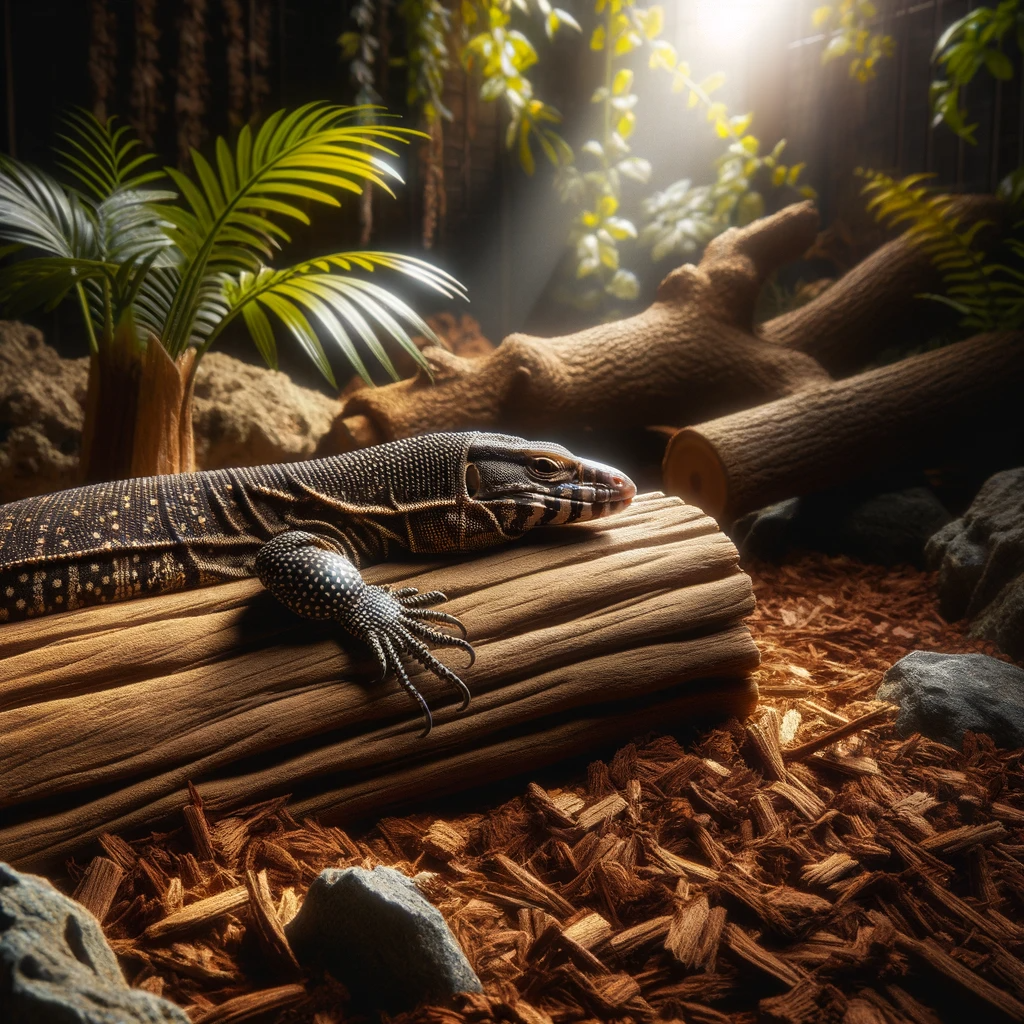
Impaction occurs when a solid or semi-solid mass blocks your reptile's digestive tract. Think of it like a severe blockage in a pipe. The animal cannot pass stool, food backs up in the system, and if left untreated, it can lead to organ failure and death. The blockage can occur anywhere in the gastrointestinal tract, but it most commonly affects the intestines and colon.
This condition is almost entirely preventable with proper husbandry, which is why education is so important. The vast majority of impaction cases I've seen or heard about were caused by one or more husbandry mistakes that could have been avoided.
Common Causes of Impaction
Loose Substrate Ingestion
This is the number one cause of impaction in captive reptiles. When reptiles are kept on loose substrates like sand, crushed walnut shells, wood shavings, or gravel, they can accidentally ingest particles while eating. Reptiles that hunt live insects on the ground are especially at risk because they often grab mouthfuls of substrate along with their prey. Juvenile and baby reptiles are particularly vulnerable because their digestive tracts are smaller and less able to pass foreign material.
For species like bearded dragons and leopard geckos, I recommend solid substrates like tile, reptile carpet, or paper towels for juveniles. Adults can be kept on certain bioactive substrates if the setup is done correctly, but loose calcium sand and crushed walnut shell should always be avoided regardless of what the packaging claims about digestibility.
Feeding Prey That Is Too Large
A general rule in reptile keeping is to never feed prey items that are wider than the space between your reptile's eyes. This applies to insects for lizards and geckos, and to rodents for snakes. Prey that is too large is difficult to digest and can create a blockage, especially if the animal is not at optimal temperatures for digestion.
I see this mistake most often with new bearded dragon owners who feed adult crickets or superworms to juvenile dragons. Those hard exoskeletons can accumulate and create a mass that the young dragon simply cannot pass.
Improper Temperatures
This is a cause that many people overlook. Reptiles are ectotherms, which means they rely on external heat to regulate their body temperature and their metabolism. Digestion in reptiles is directly tied to temperature. If the basking spot is too cool, food moves through the digestive tract too slowly, moisture is absorbed excessively, and the stool becomes hard and difficult to pass.
Every species has specific temperature requirements, but as a general rule, if your reptile's basking spot is below the recommended range, digestion will be compromised. This is especially critical after feeding. A bearded dragon needs a basking temperature of 100 to 110 degrees Fahrenheit to properly digest its food. A ball python needs a warm side of 88 to 92 degrees. If those temperatures aren't met, you're increasing the risk of impaction.
Dehydration
Dehydration is one of the most underrated causes of impaction. When a reptile is dehydrated, its body pulls water from the digestive tract, causing stool to become dry, hard, and difficult to pass. Many desert species like leopard geckos and bearded dragons are often assumed to not need much water, but this is a dangerous misconception. All reptiles need adequate hydration.
Regular soaking, misting, and providing fresh water are essential. For tortoises, I soak my babies every single day for at least 15 minutes. For bearded dragons, a shallow water dish plus occasional baths help maintain hydration. For ball pythons, proper humidity levels in the enclosure are critical.
Lack of Exercise
Reptiles that are kept in enclosures that are too small or that don't have adequate enrichment tend to be less active, which slows gut motility. A sedentary reptile is more prone to constipation and impaction. This is another reason why providing appropriately sized enclosures with climbing opportunities, hides, and things to explore is so important. It's not just about mental stimulation, it directly affects physical health.
Feeding Hard-Shelled Insects
Mealworms, superworms, and other insects with tough chitin exoskeletons can contribute to impaction, especially in smaller or younger reptiles. The hard shells don't break down as easily as softer-bodied feeders. For juvenile reptiles, I recommend softer feeders like dubia roaches, small crickets, or black soldier fly larvae. Save the superworms for adult animals that can handle them.
Warning Signs of Impaction
Recognizing impaction early dramatically improves the chances of successful treatment. Here are the signs to watch for:
Constipation is the most obvious sign. If your reptile hasn't produced stool in several days beyond its normal schedule, that's a red flag. Know your animal's normal bowel movement pattern so you can recognize when something is off.
Loss of appetite often accompanies constipation. When the digestive tract is blocked, the animal feels full and stops eating. A reptile that suddenly refuses food when it normally eats well should be examined.
Bloating or a distended abdomen can indicate a mass is building up in the digestive tract. In smaller reptiles like leopard geckos, you may be able to see or feel the swelling. In bearded dragons, the belly may appear round or firm.
Lethargy is another common sign. An impacted reptile often becomes sluggish, hides more than usual, and shows little interest in its environment. If your normally active animal is suddenly lethargic, impaction should be on your list of possible causes.
Straining to defecate is a clear indicator. If you see your reptile making effort to pass stool without success, or if it's producing very small, dry, or chalky droppings, the digestive system is not functioning properly.
In more advanced cases, you may notice weight loss, a thinning tail in species that store fat in their tails like leopard geckos, or even a dark spot visible on the underside of the belly where the mass is pressing against internal organs.
What to Do If You Suspect Impaction
Mild Cases
If your reptile is showing early signs like constipation and slight appetite reduction but is still alert and not in obvious distress, you can try these steps at home.
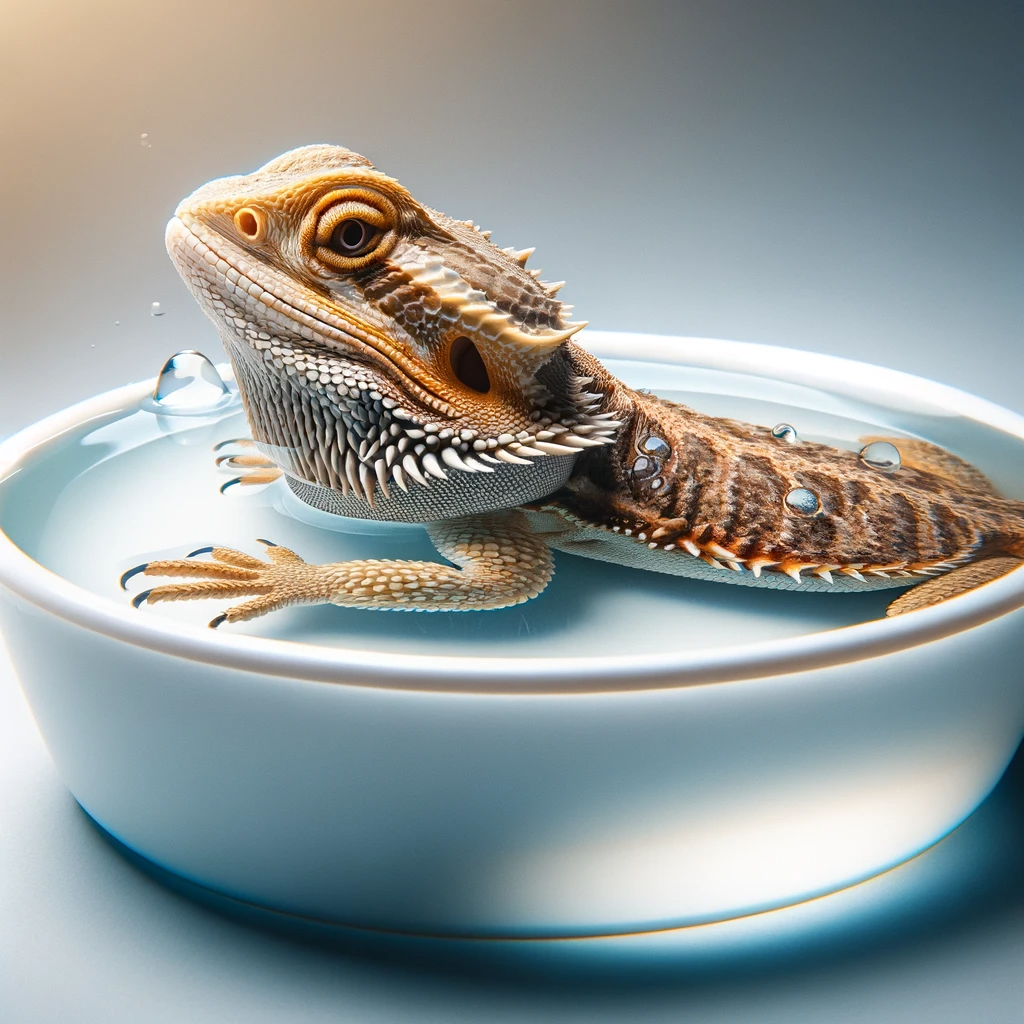
Give warm soaks. Place your reptile in shallow lukewarm water, around 85 to 90 degrees Fahrenheit, for 15 to 20 minutes. The warmth stimulates gut motility and the water helps with hydration. You can do this once or twice daily.
Gentle belly massage during the soak can help. With very light pressure, massage the belly from front to back in a downward motion. Do not press hard. The goal is to gently encourage movement, not force it.
Check your temperatures. Make sure your basking spot and ambient temperatures are at the correct levels for your species. Bump the basking temperature up slightly if it was on the low end.
Remove any loose substrate from the enclosure immediately and switch to paper towels or tile until the issue is resolved.
Increase hydration by misting, offering water via dropper, or adding water-rich foods if the animal will eat.
Moderate to Severe Cases
If your reptile is showing multiple symptoms, has not passed stool in over a week, is refusing all food, appears bloated, or is lethargic, you need to see an exotic animal veterinarian as soon as possible. Do not wait and hope it resolves on its own.
A vet can take X-rays to confirm the impaction and determine its size and location. Treatment options include oral laxatives, enemas to flush out the blockage, and in severe cases, surgery to remove the mass. The earlier you catch it, the less invasive the treatment needs to be.
Do not attempt to give your reptile laxatives or perform an enema at home without veterinary guidance. Incorrect dosing or technique can cause serious harm.
Prevention Is Everything
The good news is that impaction is almost entirely preventable. Here is a quick checklist:
Use appropriate substrate. Avoid loose substrates for juveniles entirely. For adults, use substrates that are safe if accidentally ingested, like coconut fiber for tropical species or a bioactive mix for desert species. Avoid calcium sand, crushed walnut, and wood chips.
Feed the right size prey. Nothing wider than the space between the eyes. When in doubt, go smaller.
Maintain proper temperatures. Check your basking and ambient temps regularly with a reliable thermometer, not the stick-on strip kind. A temperature gun is an affordable and essential tool.
Keep your reptile hydrated. Fresh water always available, regular soaks for species that benefit from them, proper humidity levels maintained.
Provide adequate space and enrichment. An appropriately sized enclosure with things to climb, explore, and interact with promotes natural movement and healthy digestion.
Dust feeders with calcium and vitamins on the proper schedule for your species. Nutritional deficiencies can contribute to digestive problems.
Schedule regular wellness checks with an exotic vet, especially for new animals. A healthy baseline makes it much easier to spot problems early.
When to See a Vet
As a general rule, if home remedies like warm soaks and belly massages don't produce results within 48 hours, or if your reptile's condition is worsening, get to a vet. Impaction can become fatal if the blockage causes tissue death or organ damage. The cost of a vet visit is always worth it compared to losing your animal.
If you are in the South Florida area, I recommend finding an exotic vet that specializes in reptiles. Not all veterinarians are trained in reptile medicine, and a vet who knows reptiles will be much more effective at diagnosing and treating impaction.
Every reptile owner should know about impaction because it's one of the few conditions where your knowledge and quick action can mean the difference between life and death for your pet. Keep your husbandry dialed in, watch for the warning signs, and don't hesitate to seek professional help when needed.
Check out our individual care guides for species-specific husbandry details, including the right substrates, temperatures, and feeding schedules for your particular animal.