← Back to Care Guides
Choosing your first reptile is one of the most exciting decisions you'll make as a future pet owner, but it can also be one of the most overwhelming. With over 30 species here at Shadow's Reptiles and 169+ animals in our collection, I've seen firsthand how the right match between owner and animal leads to years of joy, while the wrong match can lead to frustration and, sadly, animals that end up rehomed. This guide is designed to help you find your perfect scaly (or fuzzy) companion based on your experience level, living situation, and lifestyle.
Before we dive into specific species, here's something I always tell people at our animal encounters: every reptile has a personality. Even within the same species, you'll find bold individuals and shy ones, cuddly ones and independent ones. The species recommendations below are general guidelines, but getting hands-on time with animals before you commit is invaluable.
These are the species I recommend most often for first-time reptile owners. They're forgiving of minor husbandry mistakes, widely available, and have well-established care information.
Difficulty: Beginner Adult Size: 18 to 24 inches Lifespan: 10 to 15 years Temperament: Docile, social, enjoys handling Enclosure: Minimum 40-gallon tank, though I recommend a 4x2x2 foot enclosure for adults Diet: Omnivore, mix of insects and vegetables
Bearded dragons are hands down one of the best pet reptiles for families. They're one of the few reptile species that genuinely seem to enjoy human interaction. I've had bearded dragons at our shows that will sit calmly on a child's lap for the entire encounter. They recognize their owners, they have expressive body language, and they're active during the day so you actually get to watch them explore.
The care requirements are moderate. They need a proper temperature gradient with a basking spot around 100 to 110 degrees Fahrenheit, full-spectrum UVB lighting, and a diet that shifts from mostly insects as juveniles to mostly vegetables as adults. The biggest ongoing cost is feeder insects and fresh produce, but overall they're very manageable.
Difficulty: Beginner Adult Size: 7 to 10 inches Lifespan: 15 to 20 years Temperament: Calm, tolerant of handling, can be shy initially Enclosure: 20-gallon long tank minimum for one adult Diet: Insectivore, primarily crickets, mealworms, and dubia roaches
If you want a reptile that's low-maintenance but still interactive, leopard geckos are hard to beat. They're one of the easiest reptiles to care for. They don't need UVB lighting (though it's beneficial), they don't need a huge enclosure, and they don't smell. You can literally leave them alone for a couple of days if needed, and they'll be perfectly content.
Leopard geckos are crepuscular, meaning they're most active at dawn and dusk. They come in an incredible variety of color morphs, from bright tangerine to snow white to dark eclipse patterns. One thing I love about them is their longevity. A well-cared-for leopard gecko can live 20 years or more, so this is a real commitment, but a rewarding one.
Difficulty: Beginner Adult Size: 7 to 9 inches including tail Lifespan: 10 to 20 years Temperament: Skittish when young, calms with regular handling Enclosure: 18x18x24 inch vertical terrarium minimum Diet: Commercial crested gecko diet (powder mixed with water) supplemented with insects
Crested geckos might be the single easiest reptile to care for. Their diet is primarily a commercial powder you mix with water, so no dealing with live insects if that's not your thing. They thrive at room temperature (72 to 78 degrees), so in most homes you don't even need a heat lamp. They need humidity, which you achieve by misting their enclosure once or twice daily.
The trade-off is that crested geckos are more of a look-don't-touch pet compared to bearded dragons. They can be jumpy, especially as juveniles, and they're arboreal so they'll leap from hand to hand. They also have a unique quirk: if they drop their tail, it doesn't grow back. This doesn't hurt them at all, but it's something to be aware of during handling.
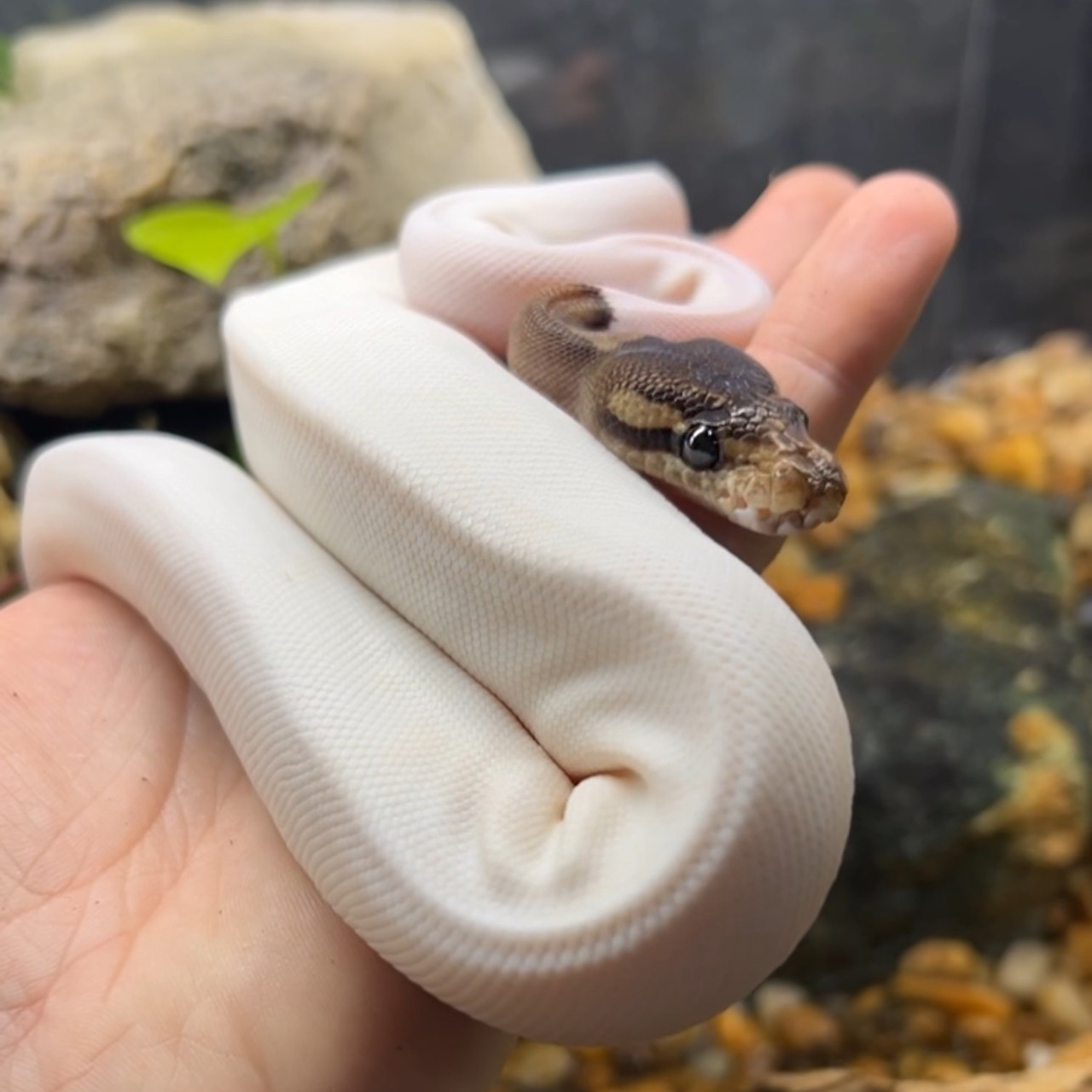
Difficulty: Beginner Adult Size: 3 to 5 feet Lifespan: 20 to 30 years (some live 40+ years) Temperament: Very docile, slow-moving, great for handling Enclosure: 40-gallon tank minimum for adults, though a 4x2x2 foot enclosure is ideal Diet: Carnivore, frozen-thawed rodents every 1 to 2 weeks
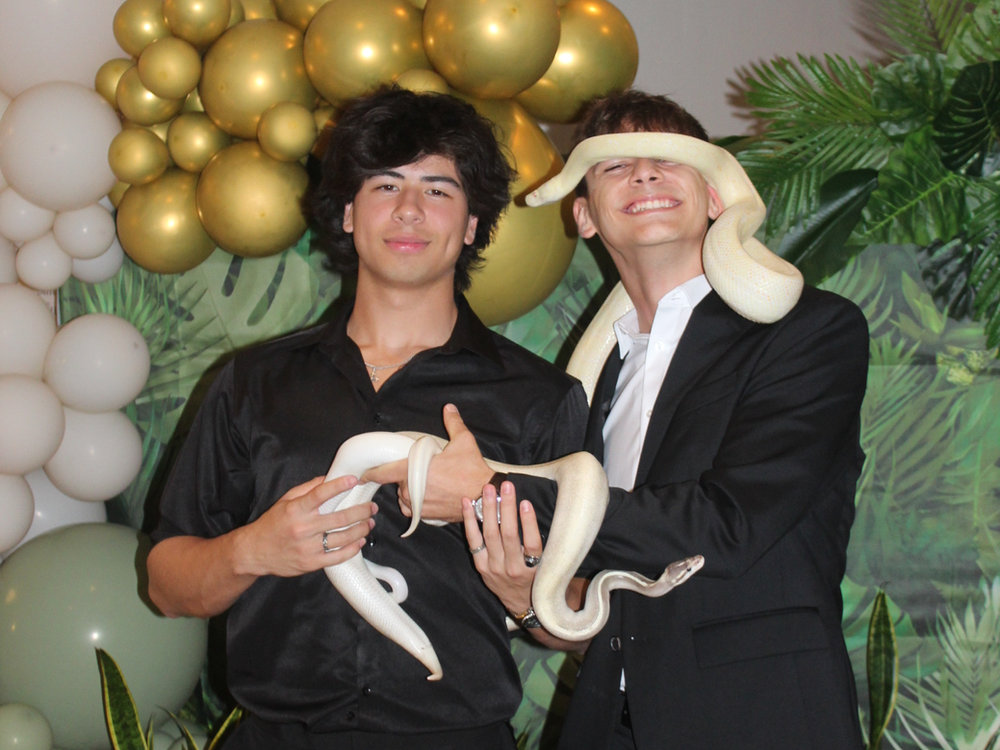
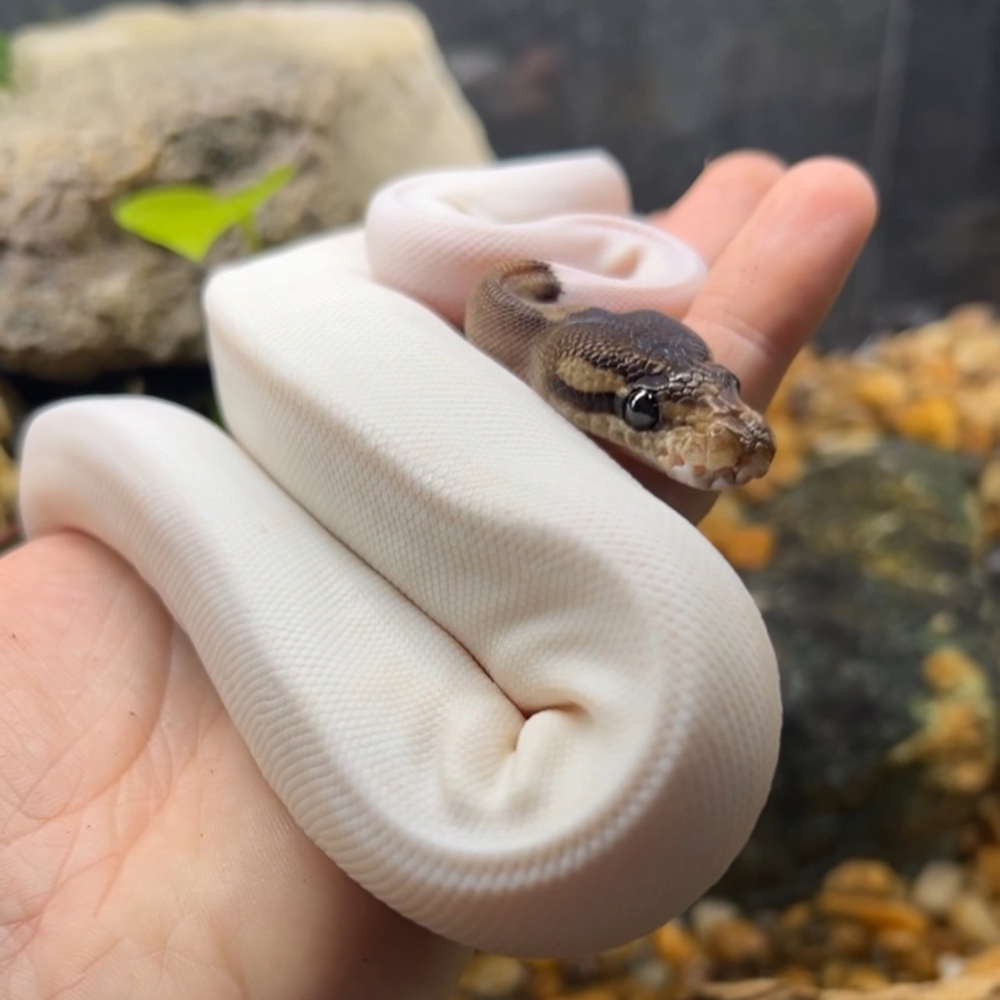
Ball pythons are the gateway snake for most people, and for good reason. They're called ball pythons because their defensive response is to curl into a tight ball, not to bite. I've worked with hundreds of ball pythons and they're consistently gentle. At our encounters, they're always a crowd favorite because kids can drape them around their necks without any worry.
The main consideration is diet. Ball pythons eat rodents, typically frozen-thawed mice or rats. If feeding rodents is a dealbreaker, a ball python isn't for you. They can also be picky eaters, sometimes going off food for weeks or even months during winter. This is usually normal but can stress out new owners. The other factor is lifespan. Ball pythons regularly live 30 years in captivity, so this is a serious long-term commitment.
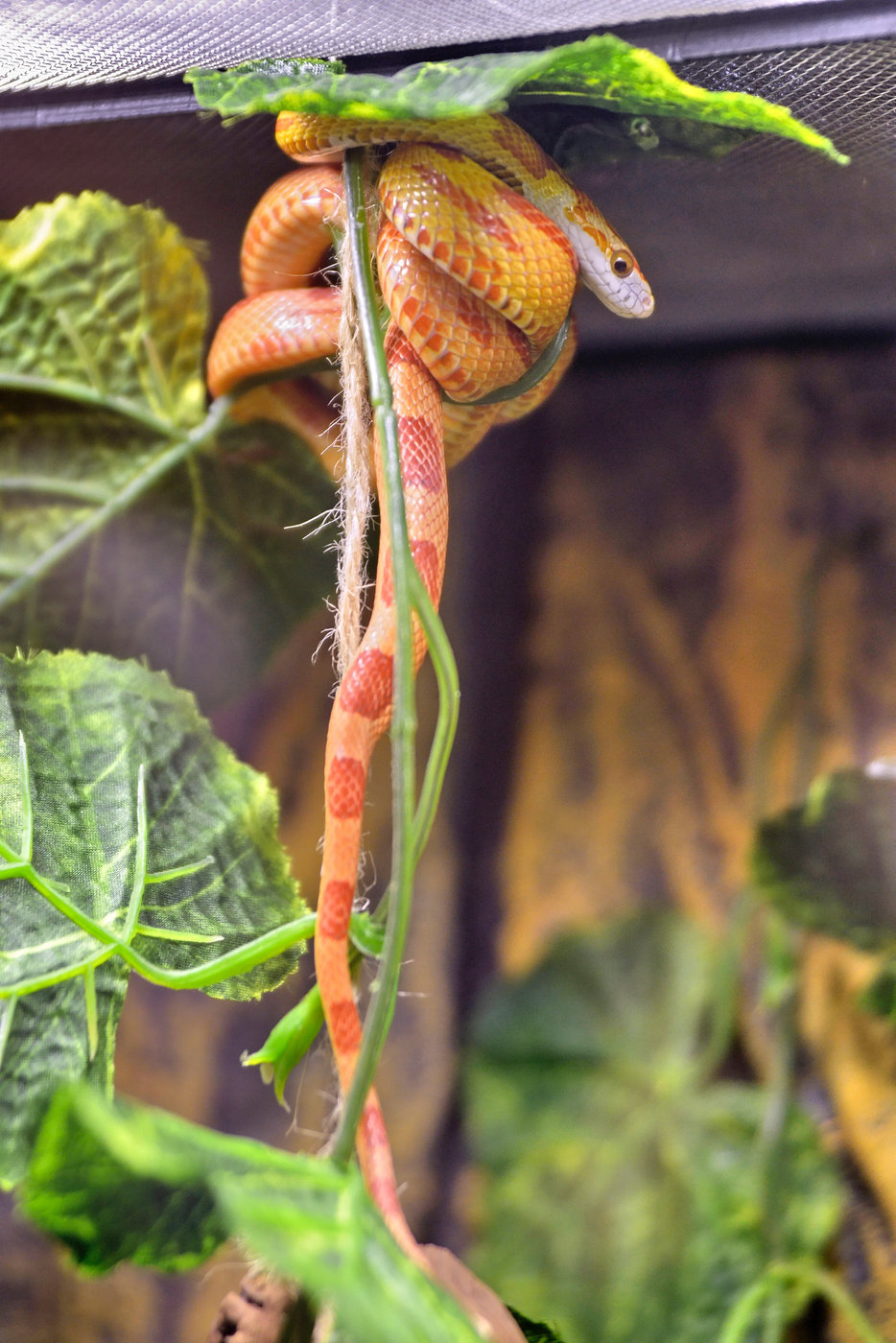
Difficulty: Beginner Adult Size: 3 to 5 feet Lifespan: 15 to 20 years Temperament: Active, curious, gentle, excellent for handling Enclosure: 40-gallon tank minimum for adults Diet: Carnivore, frozen-thawed rodents every 7 to 14 days
Corn snakes are another fantastic beginner snake. They're a bit more active and curious than ball pythons, which makes them fun to watch and handle. They come in an enormous variety of color morphs and they rarely have feeding issues. Corn snakes are native to the southeastern United States, so they do well in Florida's climate.
One thing to be aware of is that corn snakes are excellent escape artists. You need a secure enclosure with tight-fitting lids and no gaps. I can't tell you how many stories I've heard about corn snakes finding the one tiny opening in their tank. A good locking screen top or PVC enclosure with latches is essential.
These species require more specific husbandry knowledge and aren't as forgiving of mistakes. I recommend these for people who have successfully kept a beginner species for at least a year.
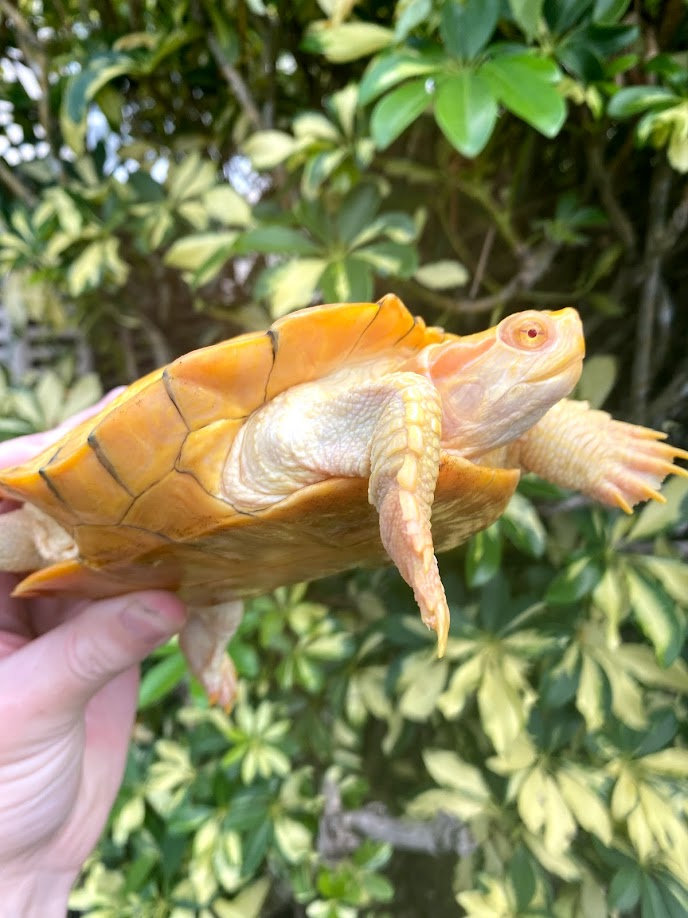
Difficulty: Intermediate Adult Size: 8 to 12 inches shell length Lifespan: 20 to 40 years Temperament: Active, entertaining to watch, limited handling Enclosure: 75+ gallon aquarium with basking area, filtration system required Diet: Omnivore, commercial pellets supplemented with vegetables and occasional protein
Red-eared sliders are one of the most popular pet turtles, but they're more work than most people realize. They need a large aquatic setup with a powerful filtration system, a basking platform with UVB lighting, and regular water changes. The water quality management alone puts them above beginner level. They're also one of those species where people buy a cute baby the size of a quarter and don't realize it'll grow to the size of a dinner plate and need a 75 to 120 gallon tank.
That said, if you're willing to invest in the proper setup, red-eared sliders are incredibly rewarding. They're active, they learn to recognize you as their food source, and watching them swim and bask is surprisingly relaxing.
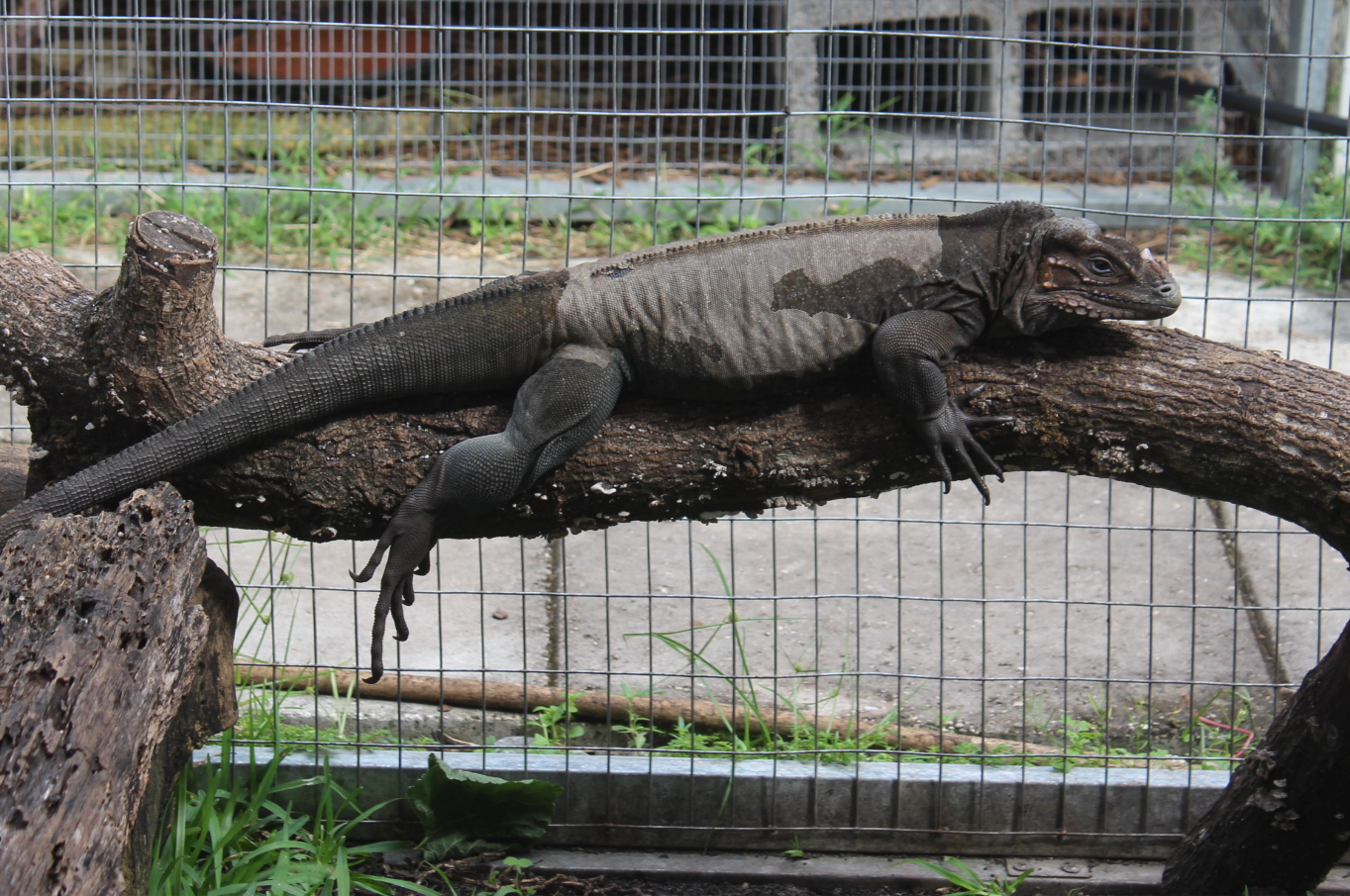
Difficulty: Intermediate to Advanced Adult Size: 2 to 4 feet, up to 20 pounds Lifespan: 20+ years Temperament: Can be tame with regular handling, but can be territorial Enclosure: Very large custom enclosure needed, minimum 6x3x3 feet Diet: Primarily herbivore, leafy greens and vegetables
Rhino iguanas are one of the most impressive lizards you can keep. They're intelligent, they bond with their owners, and they look absolutely prehistoric. However, they need significant space, high basking temperatures, and consistent socialization to remain handleable. An unsocialized adult rhino iguana can deliver a serious bite or tail whip. This is a species where you need to commit to daily interaction.
These animals require significant experience, dedicated space, or specialized knowledge. They're incredible animals but not for casual pet owners.
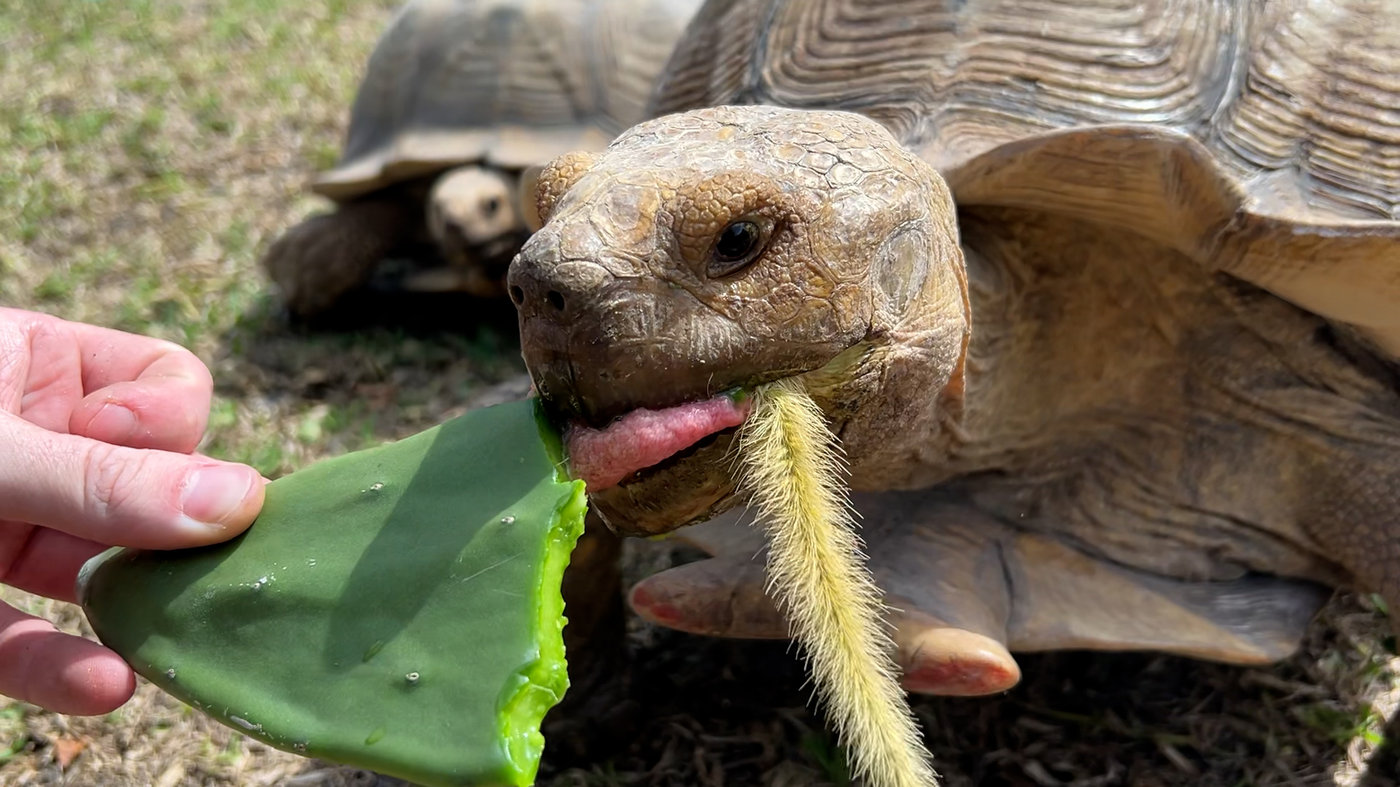
Difficulty: Advanced (due to size and lifespan) Adult Size: 24 to 32 inches, 80 to 150+ pounds Lifespan: 50 to 100+ years Temperament: Gentle, docile, but powerful Enclosure: Outdoor enclosure required for adults, at least 100 square feet per tortoise Diet: Herbivore, primarily grasses and hay
I always have this conversation with people who want a sulcata tortoise: they're adorable as babies, fitting in the palm of your hand, but they will grow into a 100-plus pound animal that can push through fences and outlive you. Sulcata tortoises are the third-largest tortoise species in the world. They grow about 7 inches per year and gain 5 to 10 pounds annually.
Living in South Florida, we have the climate advantage since sulcatas can live outdoors year-round here, but you still need a significant yard and a reinforced outdoor enclosure. They're also prolific diggers. If you have the space and the commitment spanning decades, a sulcata is an amazing companion. But please, do your research before buying that cute baby at the reptile expo.
Difficulty: Advanced Adult Size: 9 to 16 inches body length, 2 to 3.5 pounds Lifespan: 10 to 14 years Temperament: Energetic, playful, can be affectionate but independent Enclosure: Large multi-level enclosure plus supervised free-roam time Diet: Omnivore, commercial fox diet supplemented with insects, eggs, and vegetables
Fennec foxes aren't reptiles, but they're one of our most popular animals at encounters and a lot of people ask about keeping them as pets. They're legal in Florida with proper permits. Fennec foxes are incredibly cute with those enormous ears, but they're essentially a cross between a cat and a dog with the energy of a toddler. They're nocturnal, they can be loud, and they require a lot of enrichment and interaction. They can be litter trained but aren't as reliable as a cat. This is an animal for someone who has done extensive research and is prepared for a challenging but unique companion.
Difficulty: Advanced Adult Size: 5 to 7 inches body length Lifespan: 10 to 15 years Temperament: Social, bonds strongly with owners, needs colony or constant human interaction Enclosure: Tall cage minimum 24x24x36 inches, needs height for gliding Diet: Specialized diet of fruits, vegetables, protein, and nectar supplements
Sugar gliders are another exotic that people fall in love with at our encounters. They're marsupials, not reptiles, and they have very specific social and dietary needs. The most important thing to know is that sugar gliders are colony animals. You should never keep just one unless you can provide several hours of daily interaction. A lonely sugar glider can self-mutilate and develop serious behavioral issues. Their diet is also complex and getting it wrong leads to metabolic bone disease. If you can meet their social and dietary needs, sugar gliders are one of the most bonding exotic pets you'll ever own. They'll literally ride around in your pocket all day.
Space: Be honest about how much room you have. A leopard gecko needs a 20-gallon tank. A sulcata tortoise needs a backyard. Make sure you're planning for the animal's adult size, not its baby size.
Time: Some species need daily feeding and interaction (bearded dragons), while others are more independent (leopard geckos, ball pythons). Consider your schedule realistically.
Budget: The initial setup is always the most expensive part. A proper bearded dragon setup can cost $300 to $500 for the enclosure, lighting, and accessories. Ongoing costs include food, electricity for heat and light, and veterinary care. Always budget for an exotic vet visit.
Local Laws: Here in Florida, many exotic species are legal with the right permits, but laws vary by state and county. Always check your local regulations before purchasing any exotic animal. Some species require Class III wildlife licenses.
Children in the Household: If you have young children, lean toward docile species like bearded dragons, leopard geckos, or ball pythons. Avoid species that are fragile, fast, or prone to biting. Always supervise children during handling.
The best way to figure out which reptile is right for you is to actually meet them in person. At our animal encounters, you get hands-on time with dozens of species, and I'm always happy to talk through which animals might be the best fit for your lifestyle.
Check out our individual care guides for detailed husbandry information on each species mentioned in this article. We have in-depth guides covering enclosure setup, diet, temperature requirements, and common health issues for all of our most popular species.
And if you're in the Miami-Dade, Broward, or Palm Beach area, book an animal encounter to meet these animals in person. There's nothing like holding a ball python or watching a bearded dragon eat from your hand to know if reptile keeping is for you.