← Back to Care Guides
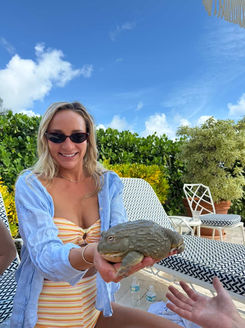
The African bullfrog (Pyxicephalus adspersus) is one of the most impressive amphibians you can keep in captivity, and I've been fascinated by these absolute units since I first got into the exotic animal world. Also known as pixie frogs, these giants are native to sub-Saharan Africa where they inhabit savannas, grasslands, and semi-arid regions. Males can reach a staggering 9 to 10 inches in length and weigh over 4 pounds, making them one of the largest frog species on the planet. Females are significantly smaller, usually topping out around 4 to 5 inches. With proper care, African bullfrogs can live 20 to 35 years in captivity, with some individuals reportedly reaching 45 years. This is a serious long-term commitment.
Setting up the right enclosure for an African bullfrog is relatively straightforward compared to many other exotic pets. For a single adult male, I recommend a minimum of a 20-gallon long tank, though I personally prefer going bigger with a 40-gallon breeder if you have the space. The extra floor space is more important than height since these are terrestrial frogs that spend much of their time on the ground or partially burrowed into substrate. A secure screen lid is essential for ventilation and to keep your frog contained. These guys are surprisingly strong and can push open loose-fitting lids.
For substrate, coconut fiber is my go-to choice. It holds moisture well, is safe if accidentally ingested in small amounts, and allows your bullfrog to exhibit natural burrowing behavior. Layer the substrate at least 3 to 4 inches deep so your frog can fully bury itself when it wants to. African bullfrogs are burrowers by nature, and denying them this behavior can cause stress. Avoid gravel, reptile carpet, or bare glass bottoms as these are unnatural and can cause skin irritation.
Keep the enclosure simple. A large, shallow water dish that your frog can easily climb in and out of is essential. The water should be deep enough for soaking but shallow enough that the frog can sit with its head above water. I use dechlorinated water and change it daily because these frogs will sit in their water dish and foul it quickly. You can add a few pieces of cork bark or a half-log hide for cover, but don't overcrowd the tank. African bullfrogs are ambush predators and appreciate open space to lunge at food.
African bullfrogs are surprisingly tolerant when it comes to temperature, but getting it right will keep your frog active and healthy. The warm side of the enclosure should be around 82 to 85 degrees Fahrenheit, with the cool side sitting at 75 to 78 degrees. A gentle nighttime drop to around 70 to 75 degrees is acceptable. I use an overhead ceramic heat emitter or a low-wattage basking bulb on one end of the tank to create a thermal gradient. Always use a thermostat to regulate your heat source and prevent dangerous temperature spikes. Avoid heat rocks and under-tank heaters as the primary heat source, as these can create hot spots that burn your frog's sensitive belly skin.
Humidity should stay in the range of 60 to 80 percent. Mist the enclosure once or twice daily and keep the coconut fiber substrate slightly damp but not waterlogged. The substrate should feel moist when you squeeze it but should not drip water. Good ventilation through a screen lid is important to prevent stagnant, overly humid conditions that can promote bacterial and fungal growth. A digital hygrometer placed at substrate level will give you the most accurate readings.
African bullfrogs don't have intense lighting requirements, but I recommend providing a low-level UVB bulb in the 5 to 7 percent range. While there's debate about whether amphibians strictly need UVB, research increasingly shows that access to UVB light supports calcium metabolism and overall immune health in frogs. A standard 12-hour light and 12-hour dark cycle will help regulate your bullfrog's natural rhythms. If you're using a basking bulb for heat, this can double as your daytime light source. Avoid placing the enclosure in direct sunlight, as this can cause dangerous overheating.
This is where African bullfrogs really shine and where you need to exercise some discipline. These frogs are aggressive, opportunistic feeders that will eat virtually anything that moves and fits in their mouth. In the wild, they eat insects, small rodents, birds, other frogs, and even small snakes. In captivity, the staple diet should be appropriately sized insects including crickets, dubia roaches, hornworms, and earthworms or nightcrawlers. Earthworms are particularly nutritious and I consider them one of the best feeder items for bullfrogs.
Juvenile bullfrogs should be fed daily, while adults do well on a feeding schedule of two to three times per week. Occasional treats can include pinky or fuzzy mice, feeder fish, and other protein sources, but keep these to once or twice a month at most. The number one health issue I see with African bullfrogs is obesity from overfeeding, especially from too many rodents. A fat bullfrog is not a healthy bullfrog, even though they naturally carry some bulk.
Dust all feeder insects with a calcium supplement at every feeding and use a calcium with vitamin D3 powder once a week. A reptile multivitamin dusted on feeders once every two weeks rounds out the supplementation schedule. Gut-load your feeder insects with nutritious vegetables and commercial gut-load diets 24 hours before feeding them to your frog.
Water quality is critical for African bullfrogs because amphibians absorb water and dissolved substances directly through their permeable skin. Always use dechlorinated water, either treated with a reptile-safe water conditioner or aged tap water that has sat out for 24 hours. Spring water also works well. Never use distilled water as it lacks essential minerals. The large, shallow water dish should be cleaned and refilled daily without exception. Your misting routine will also provide additional hydration through the skin.
African bullfrogs have big personalities to match their big bodies. They can be surprisingly interactive for a frog, often learning to associate their keeper with food and coming to the front of the enclosure at feeding time. However, I want to be honest about handling. These frogs have strong jaws and sharp odontoid projections, which are bony growths that function like teeth. An adult male can deliver a bite that will definitely get your attention and may even draw blood.
That said, many African bullfrogs can be gently handled with some patience. Support the frog from underneath with both hands and avoid squeezing or restraining it. Keep handling sessions short, as extended handling can stress the frog and dry out its skin. Always wash your hands before and after handling. Chemicals, lotions, and soaps on your hands can be absorbed through the frog's skin and cause serious harm. Some keepers prefer to use wet, powder-free gloves.
One more thing about temperament. African bullfrogs must be housed alone. They are highly predatory and will eat tankmates without hesitation, including other frogs of the same species. This is not a social animal.
The most common health issue in captive African bullfrogs is obesity. These frogs have an insatiable appetite and will gorge themselves at every opportunity. Resist the temptation to feed your bullfrog every day or to offer large prey items frequently. A healthy adult male should look robust but not so round that it can't move properly or fully retract its legs.
Metabolic bone disease can occur if calcium and vitamin D3 supplementation is inadequate or if UVB lighting is not provided. Symptoms include lethargy, difficulty moving, soft or deformed bones, and muscle tremors. This is preventable with proper supplementation and lighting.
Bacterial and fungal skin infections are a risk when enclosure conditions are poor. Signs include redness, swelling, discolored patches on the skin, and lethargy. Maintaining clean substrate, fresh water, and appropriate humidity levels prevents most infections. If you notice any skin abnormalities, consult an exotic animal veterinarian immediately.
Intestinal impaction can occur if the frog ingests large amounts of substrate. This is another reason coconut fiber is preferred, as it passes more easily than gravel or bark chips. If your frog stops eating and appears bloated, impaction may be the cause.
Red leg syndrome is a serious bacterial infection that causes redness on the underside of the frog's legs and belly. It is often fatal if not treated quickly and requires immediate veterinary care.
African bullfrogs are one of the few frog species where the male guards the tadpoles. In the wild, the father will actually dig channels between drying pools to give his offspring access to water. Males produce a loud, low-pitched bellowing call during breeding season that can be heard from a considerable distance. In captivity, you may hear your bullfrog vocalize, especially during weather changes or misting.
These frogs go through a period of estivation in the wild, essentially a form of hibernation where they burrow deep underground and form a cocoon of shed skin to retain moisture during the dry season. In captivity, some bullfrogs may attempt to estivate if conditions become too dry or cool, burrowing into their substrate and becoming inactive. Maintaining consistent temperatures and humidity prevents this.
African bullfrogs are also incredible ambush predators. They sit perfectly still, half-buried in substrate, and explode forward with surprising speed when prey comes within range. Watching them feed is genuinely one of the most exciting things in the hobby.
If you found this guide helpful, be sure to check out our other care guides on the Shadow's Reptiles website. And if you're in South Florida, come meet our amazing animals at one of our live encounter shows.