← Back to Quick Guides
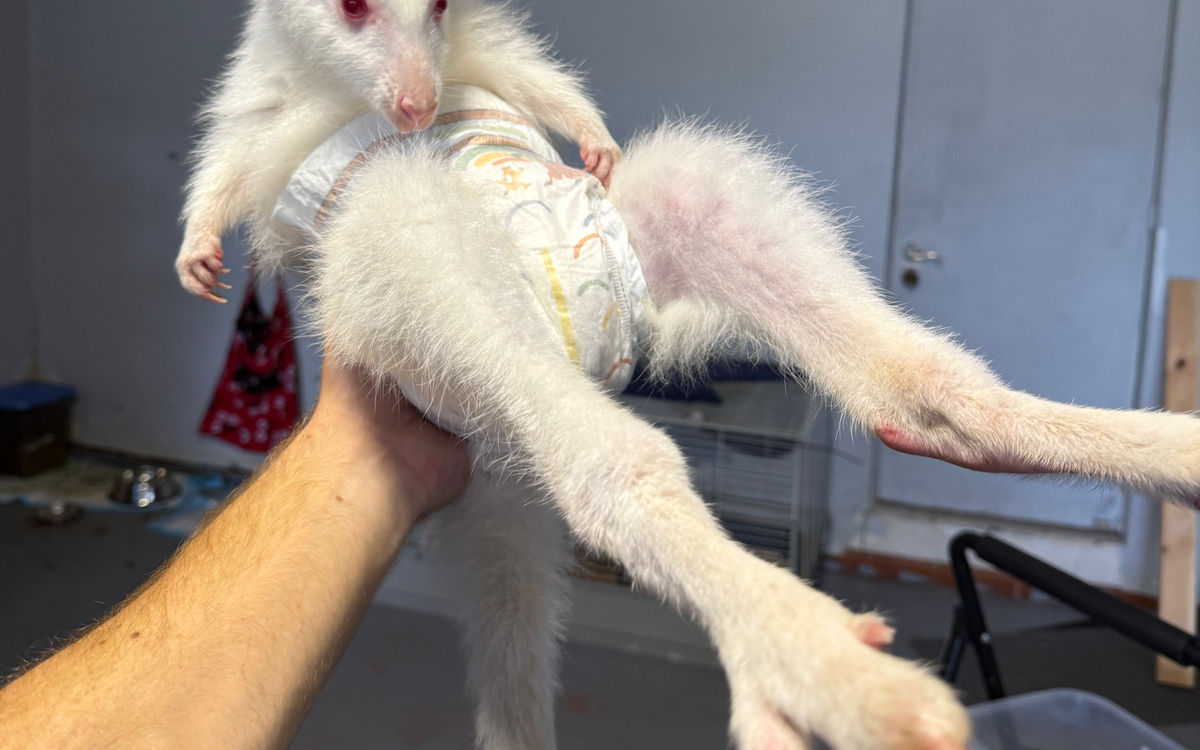
Adult Bennett’s wallabies need a large outdoor yard, ideally at least 400–600 sq ft per animal, with grass, shade structures, and secure fencing 5–6 ft tall. They do well on natural ground or grass, with sandy or soil areas for lounging. Cypress mulch can be used in sheltered areas if kept dry.
Provide a warm shelter or barn they can enter freely.
UVB is not required, but natural sunlight is extremely beneficial.
Always provide soft bedding in their indoor shelter.
Weekly Feeding Schedule (adult 30–50 lbs):
3–4x weekly: small handful mixed greens (collard, dandelion, romaine).
1–2x weekly: very small fruit treat.
Common concerns include coccidia, giardia, internal parasites, and lumpy jaw (fascial osteomyelitis) which can be fatal if untreated. Vitamin E/selenium deficiency can occur on poor diets. Heat stress and dehydration are serious risks in Florida. Regular fecals, clean water, and a grazing-based diet prevent most problems.
Bennett’s wallabies are gentle but easily stressed. Too much restraint can cause panic. Handle calmly, slowly, and let them lean against you for security. Never grab the tail or try to hold them like a dog. Support their chest and hindquarters if lifting babies/joeys.
They can stress with excessive handling, loud crowds, or fast movements.
To qualify as a show animal, a wallaby must:
Super friendly and allow petting.
Not defecate excessively when nervous (training helps).
Tolerate 3–5+ shows a day with rest breaks.
Be comfortable being transported/boxed for the day.
Handle warm temperatures with fans and shade available.
Bennett’s wallabies generally meet these requirements if raised properly.
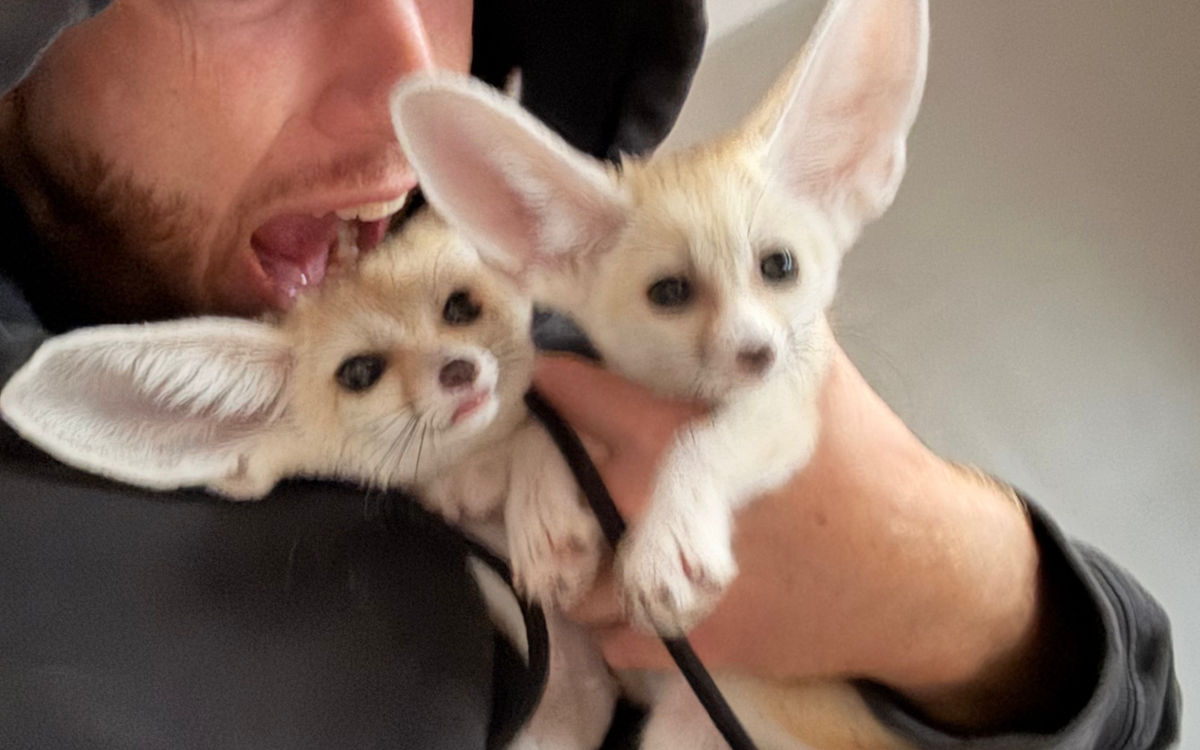
Scientific Name: Vulpes zerda Name Meaning: “Fennec” comes from Arabic fanak, meaning fox.
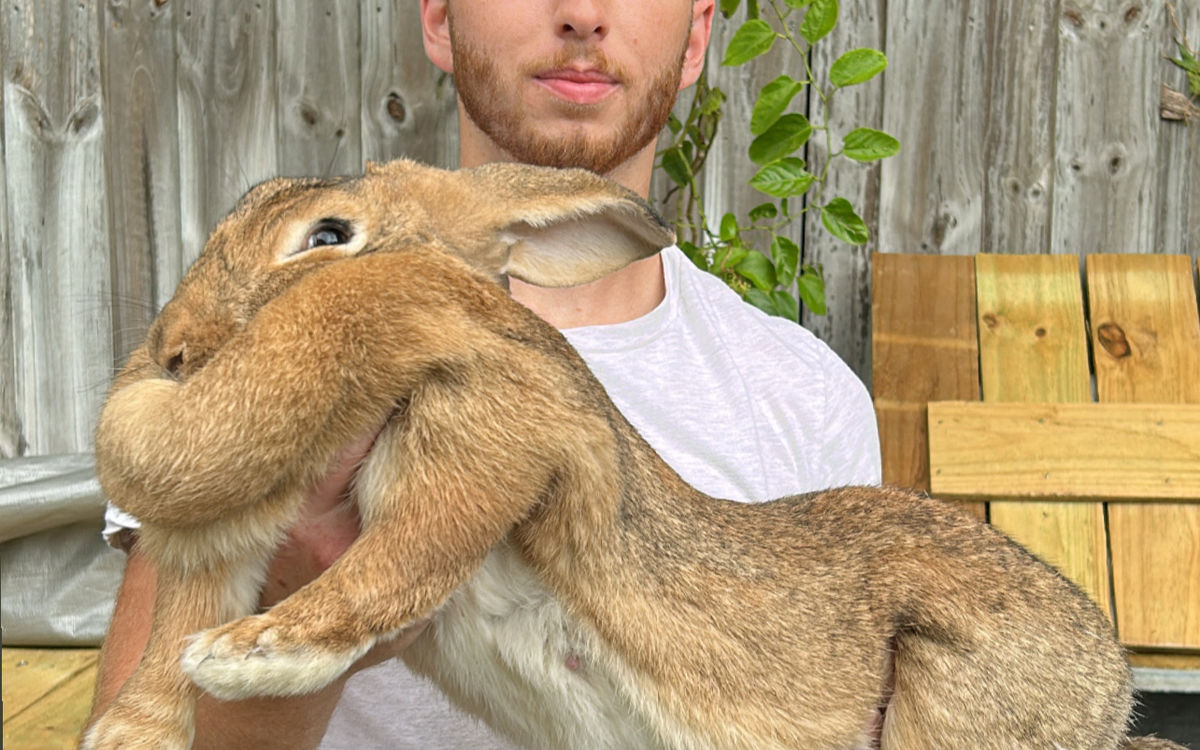
Scientific Name: Oryctolagus cuniculus domesticus Species Name & Origin: Known as the “Flemish Giant” because the breed originated in Flanders (Belgium) and is famous for its unusually large size.
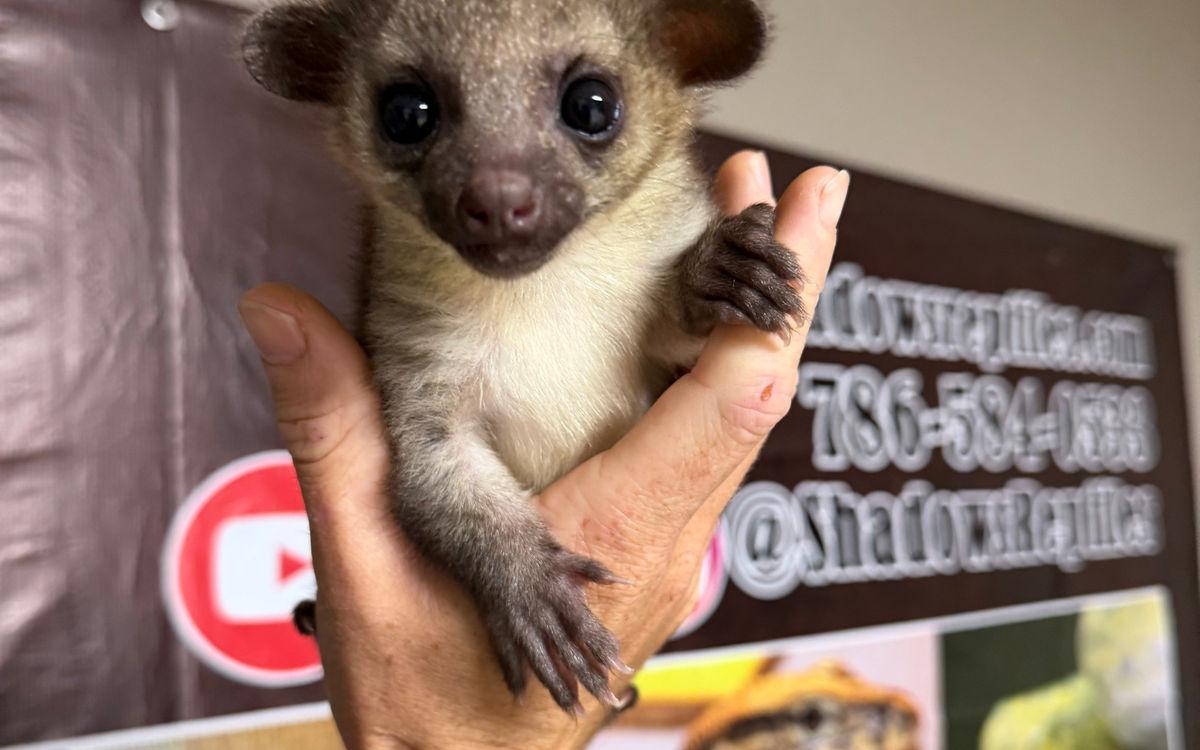
The kinkajou (Potos flavus) is a nocturnal arboreal mammal often called the “honey bear”—not because it’s a bear, but because of its love for sweet fruits and nectar.
Book an encounter and see this animal in person, or ask us anything about its care.
Book an Encounter