Know It in Two Minutes.
Printable quick-reference care sheets for every animal we keep and bring to shows — enclosure numbers, feeding schedules, temperament, and whether they are built for a live encounter.
34 guides
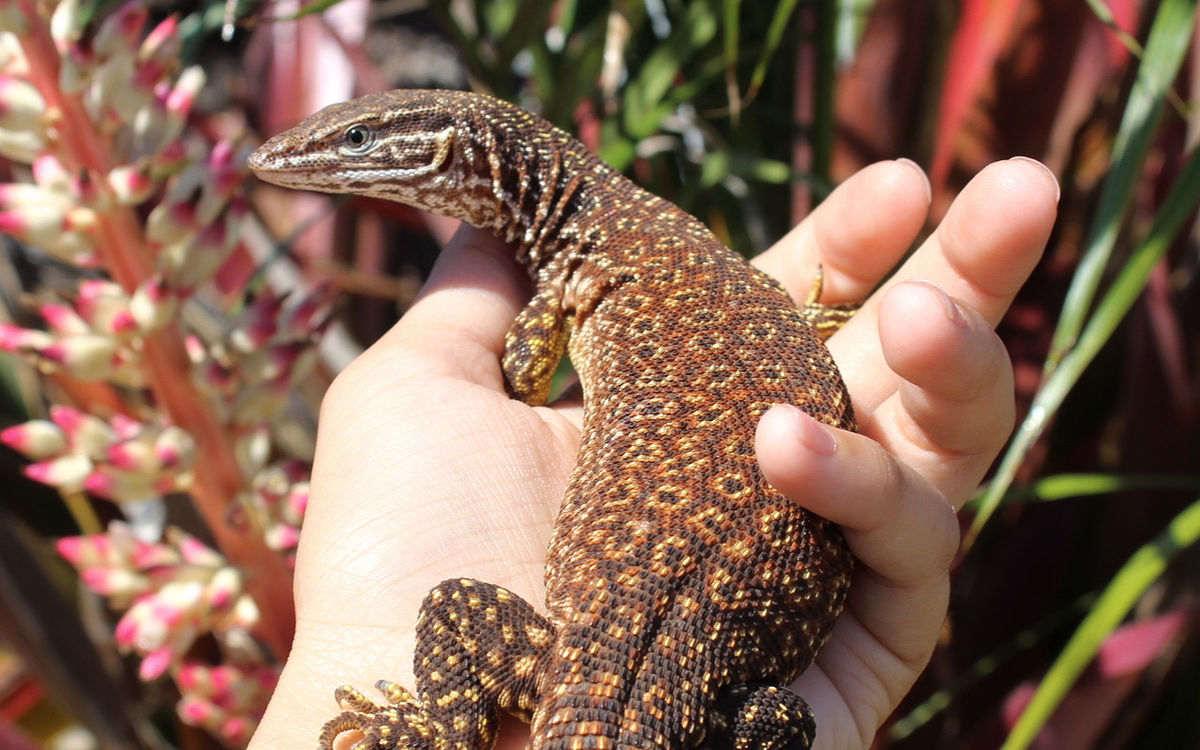
Ackie Monitor
Varanus acanthurus — “Spiny-Tailed Monitor,” named for the ring of sharp tail spines used for defense.
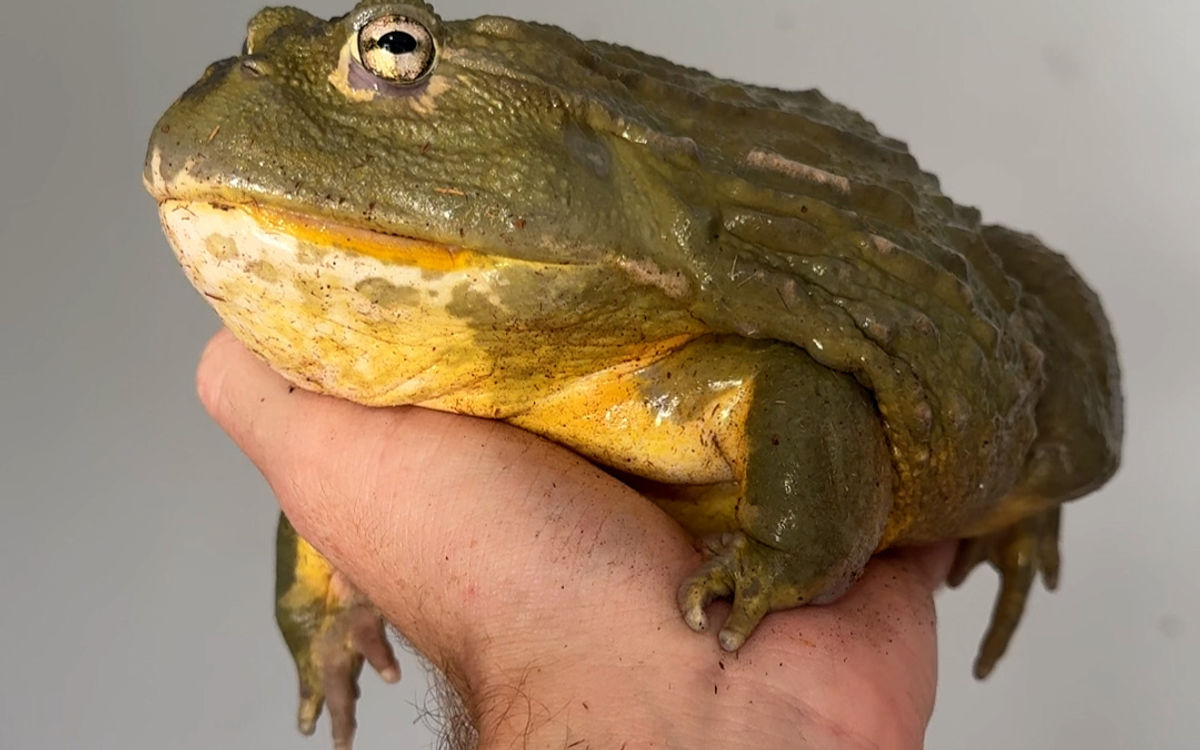
African Bullfrog
The African bullfrog, also called the Pixie frog, gets its name from its scientific name Pyxicephalus, not because it’s small—adult males are huge and heavy.

Aldabra Tortoise
Scientific Name: Aldabrachelys gigantea Species Name Meaning: Named after the Aldabra Atoll in the Seychelles, its only natural home.
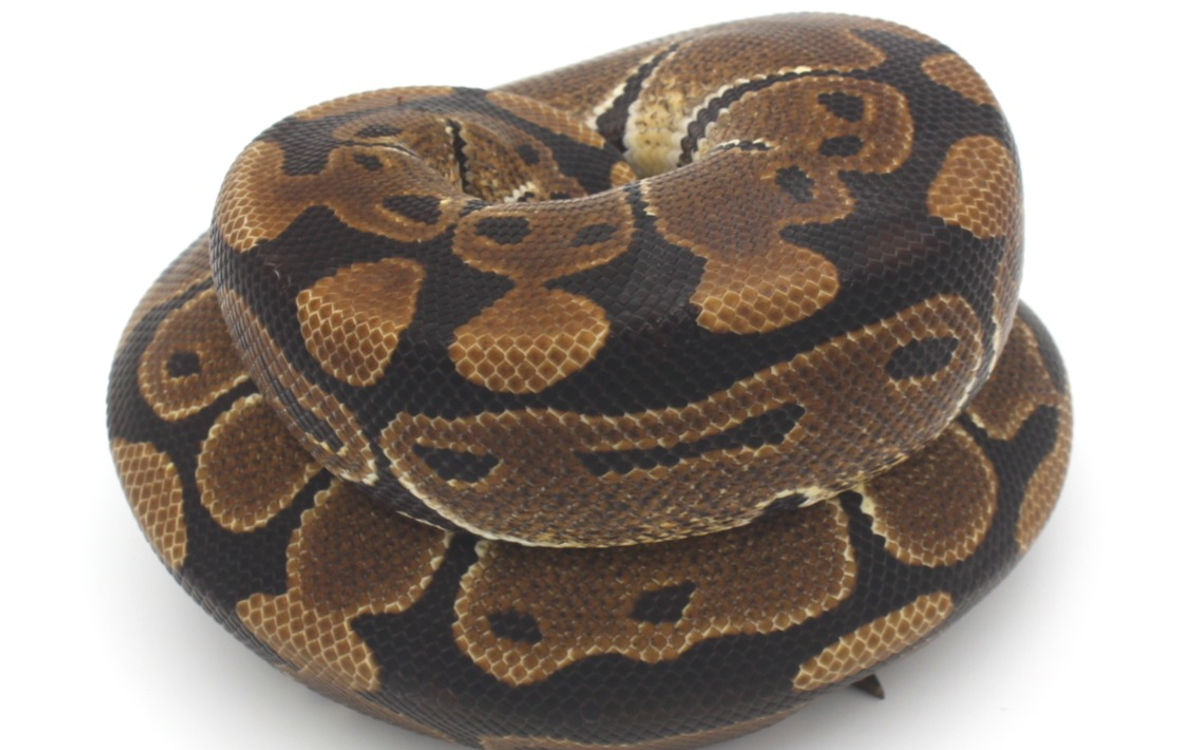
Ball Python
Scientific Name: Python regius Why the Name: “Ball” python because they curl tightly into a ball when stressed or scared.
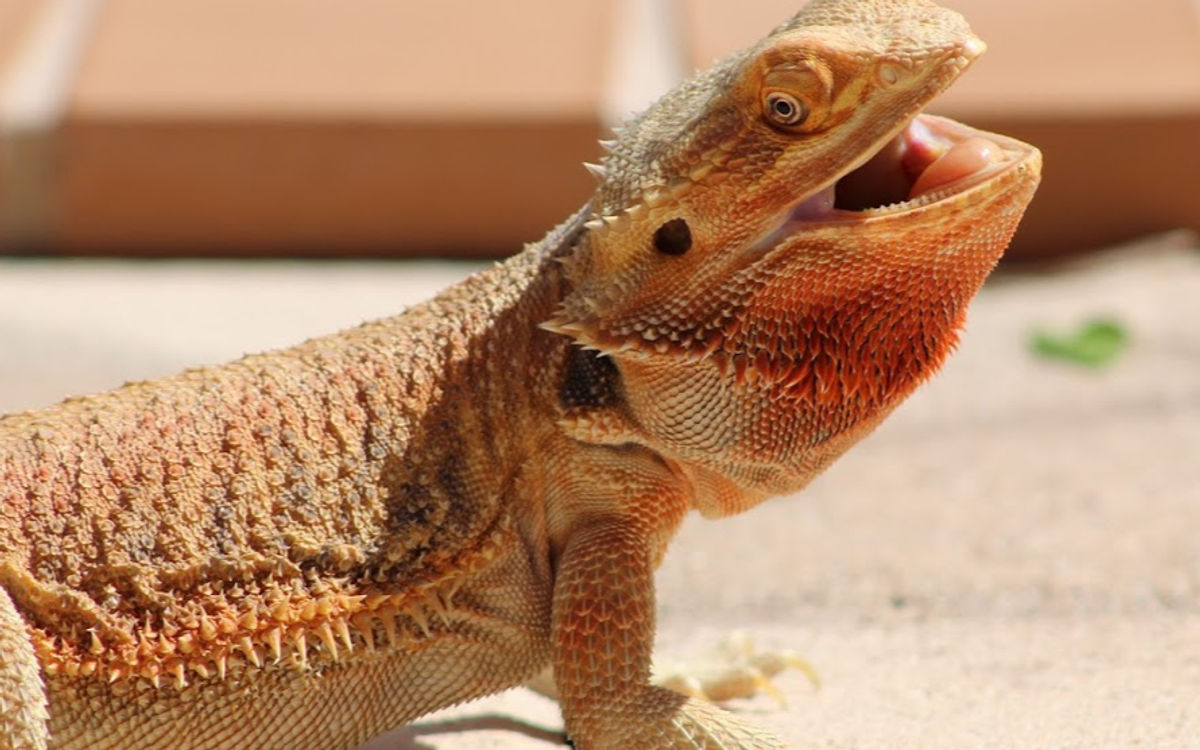
Bearded Dragon
Scientific Name: Pogona vitticeps Common Name Origin: Called “bearded” dragons because they puff out their throat “beard,” which darkens when stressed or displaying.
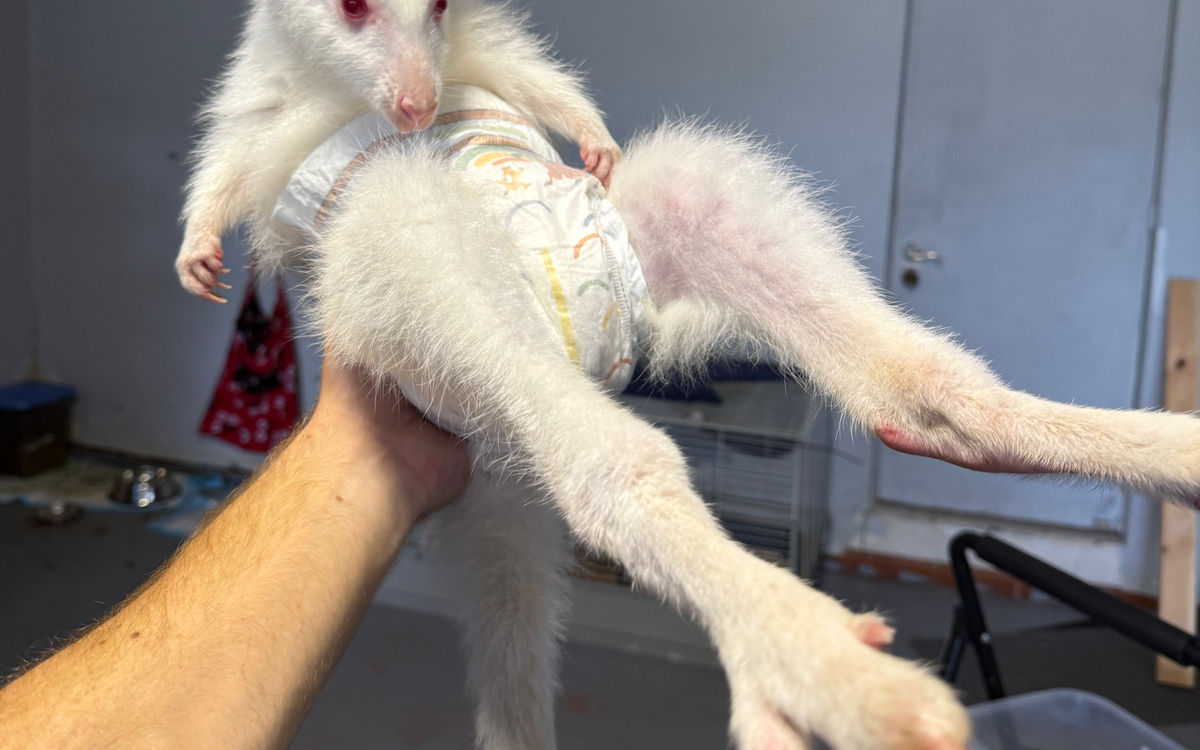
Bennet's Wallaby
Scientific Name: Macropus rufogriseus Name Origin: Called the “Bennett’s” wallaby after naturalist George Bennett; “wallaby” comes from the Dharug Indigenous word walabi.
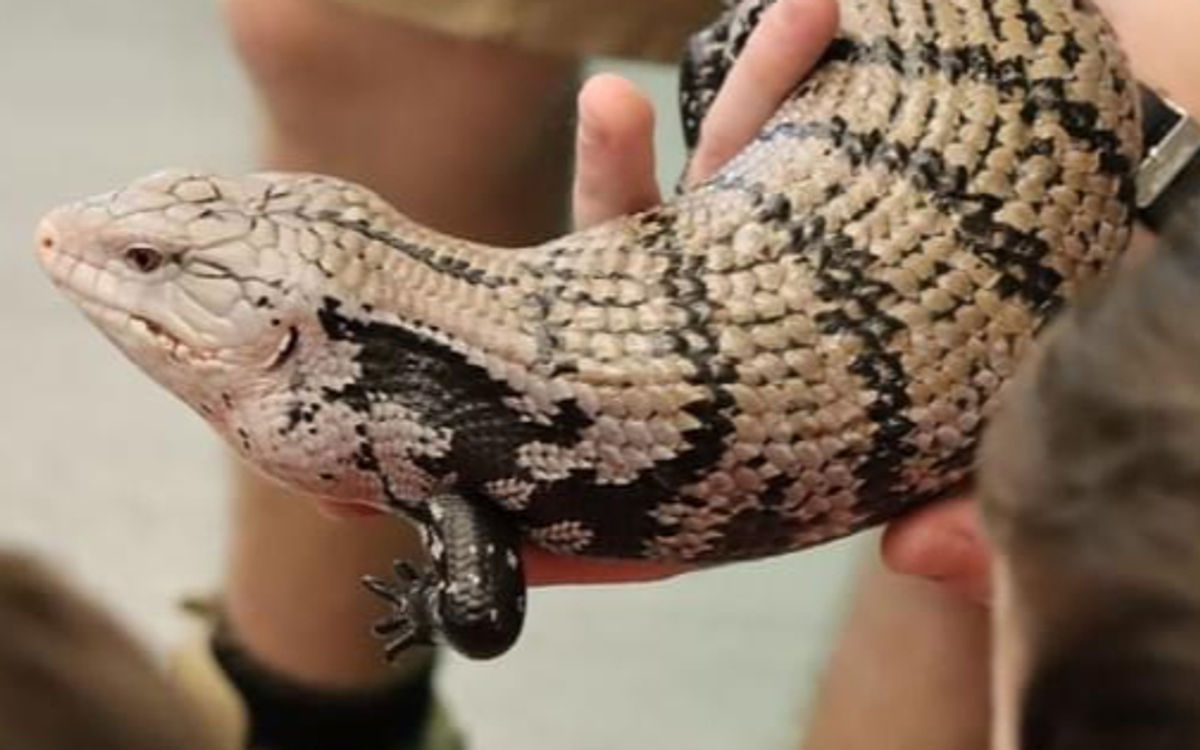
Blue Tongue Skink
Scientific Name: Tiliqua scincoides (most common species in captivity, though several regional species exist).
 Boa Constrictor
Boa Constrictor
Scientific Name: Boa constrictor constrictor / Boa imperator Species Name & Origin: Called the “boa constrictor” because of its method of subduing prey by constriction.
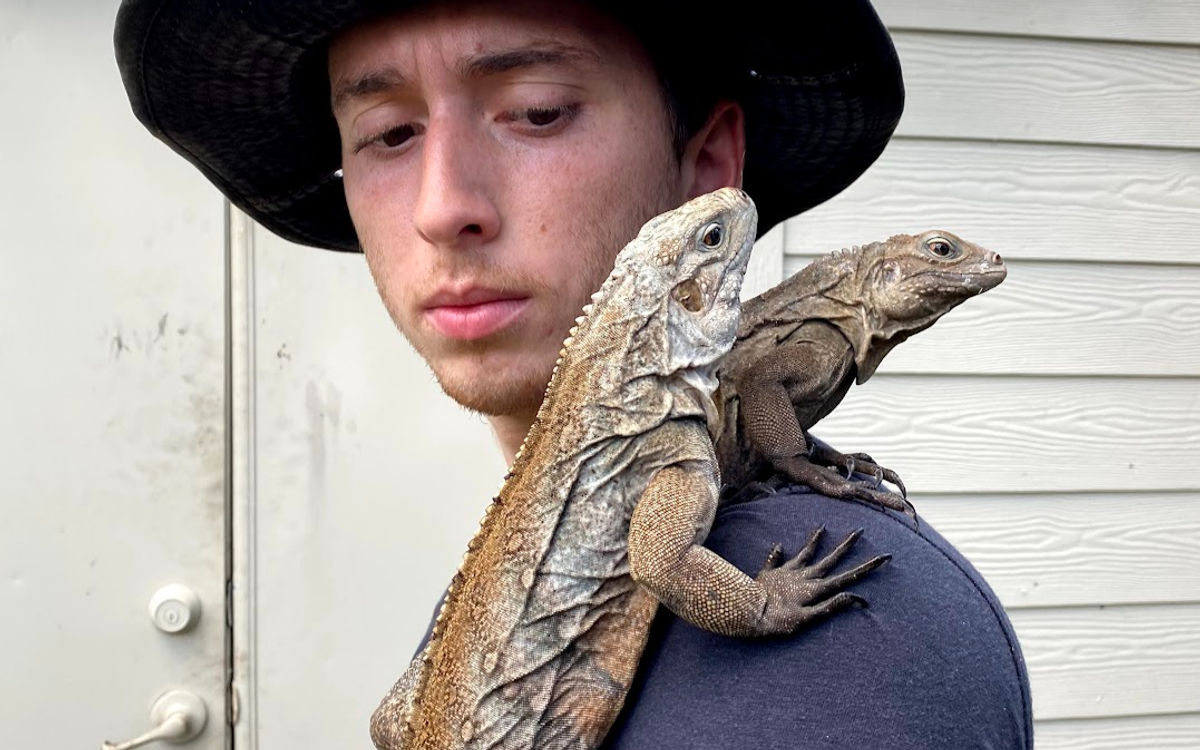
Cuban Rock Iguana
Scientific Name: Cyclura nubila Name Meaning: “Cyclura” refers to “circular tail” (their thick, ringed tail).
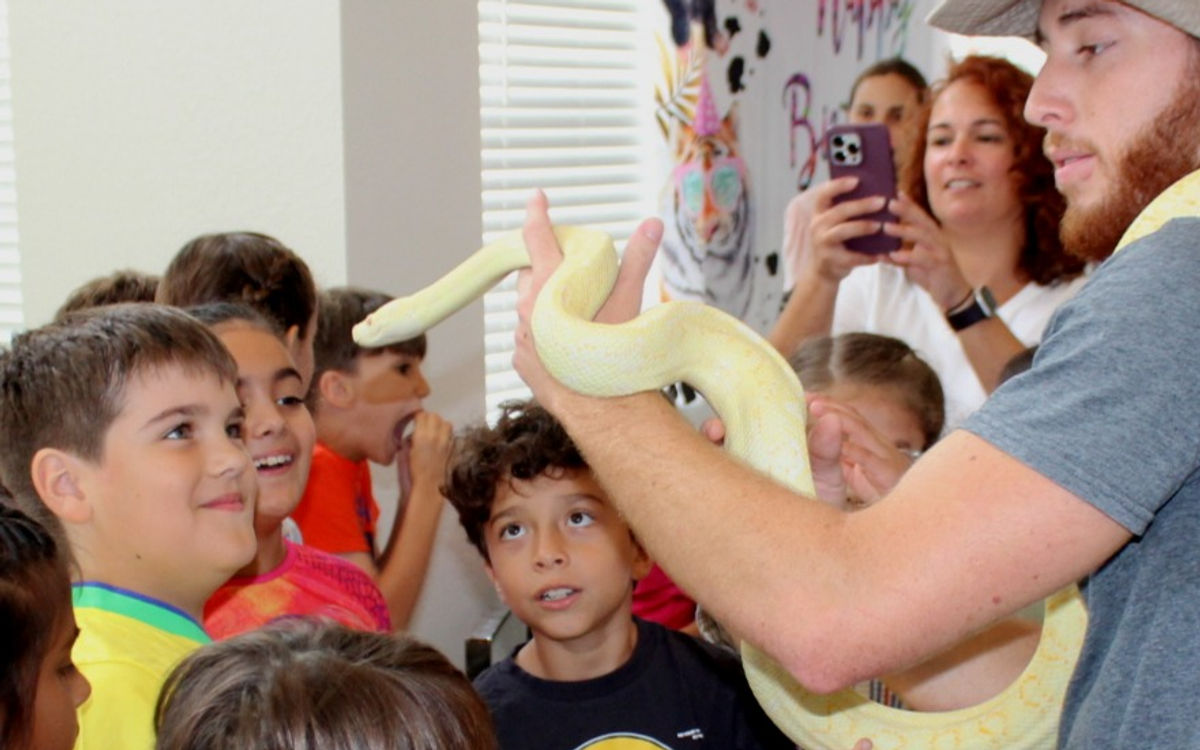
Darwin Carpet Python
“Carpet” refers to their intricate, patterned scales that resemble an ornate carpet.
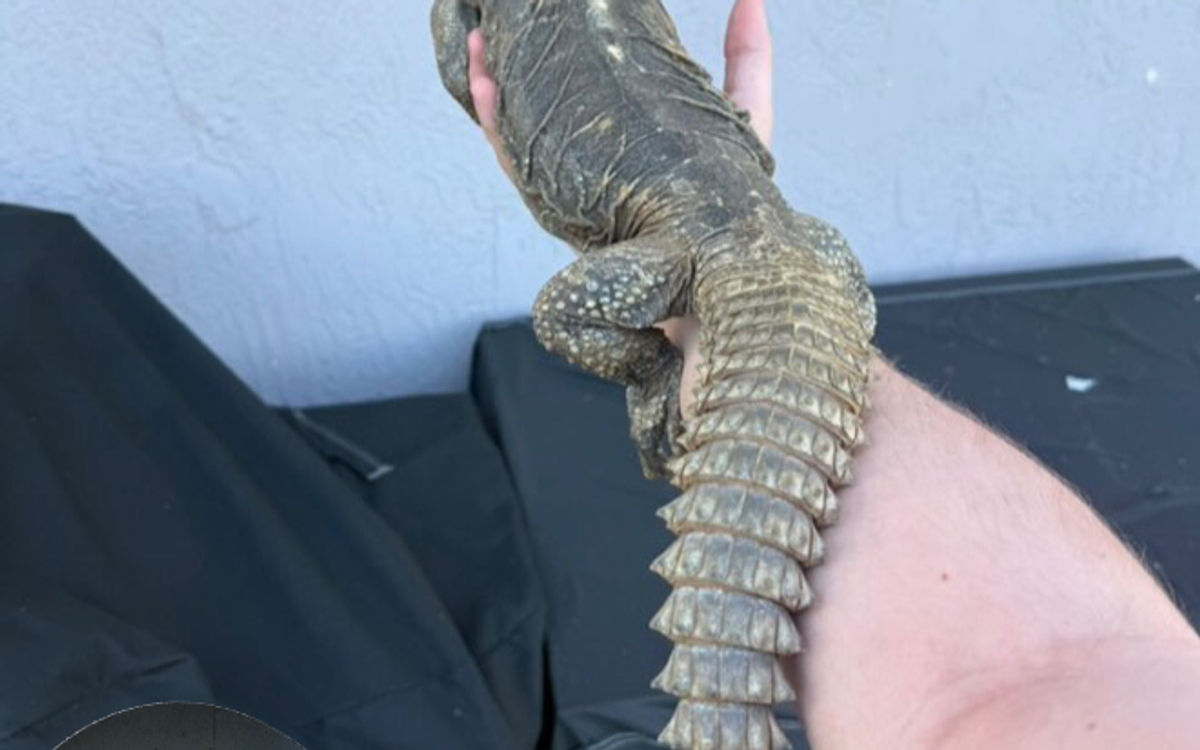
Egyptian Uromastyx
Scientific Name: Uromastyx aegyptia Name Meaning: “Uromastyx” means “whip tail,” referring to their thick, spiky, club-like tail used for defense.
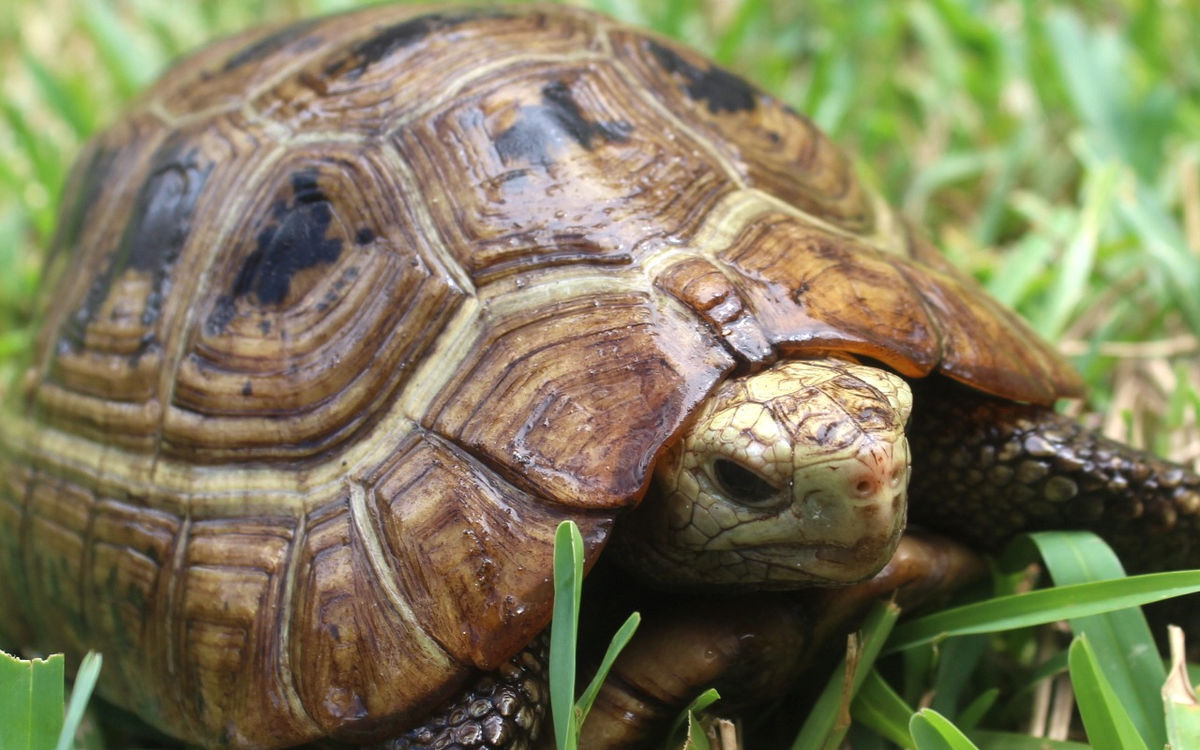
Elongated Tortoise
The elongated tortoise (Indotestudo elongata) gets its name from its long, oval-shaped shell.
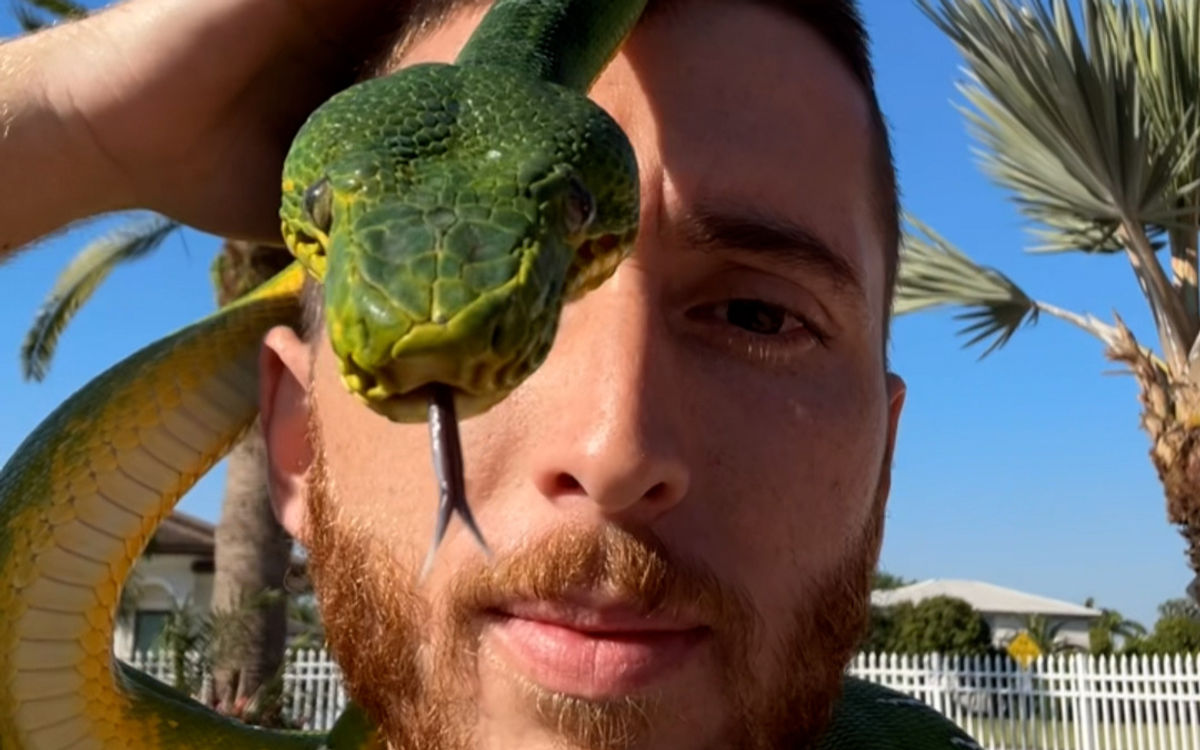
Emerald Tree Boa
Scientific Name: Corallus caninus The emerald tree boa gets its name from its bright emerald-green coloration and striking white lightning-bolt pattern.
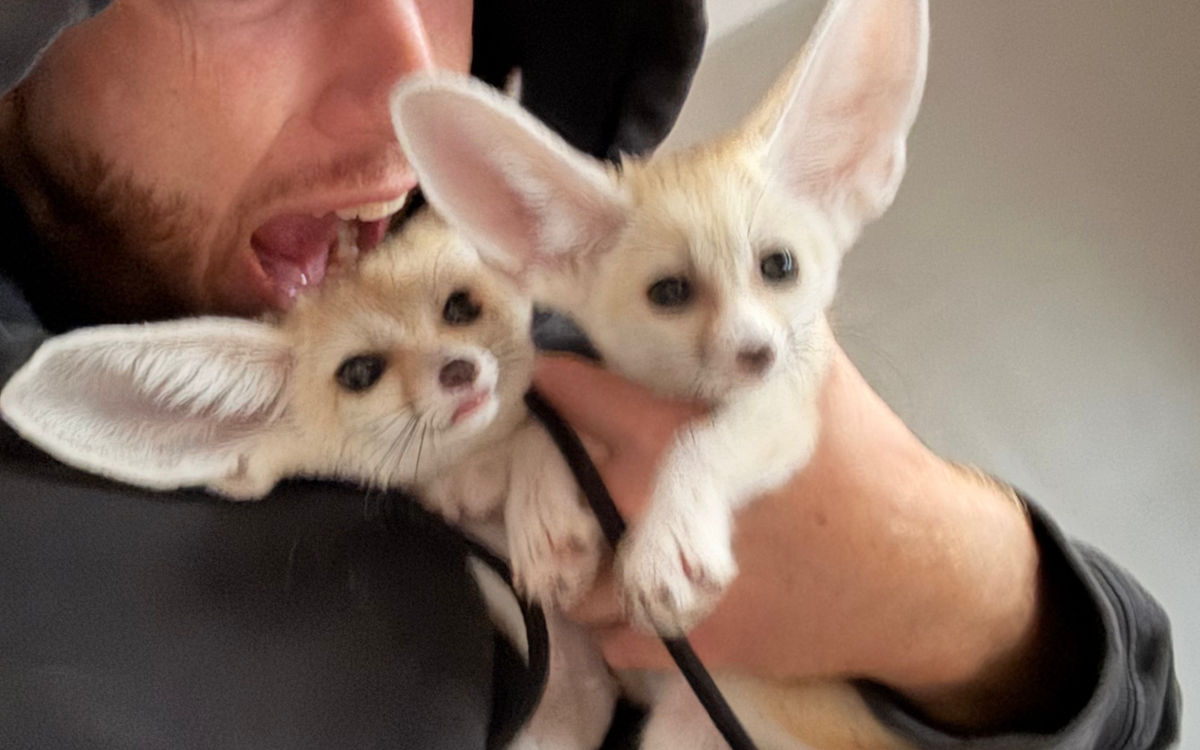
Fennec Fox
Scientific Name: Vulpes zerda Name Meaning: “Fennec” comes from Arabic fanak, meaning fox.

Flemish Giant Rabbit
Scientific Name: Oryctolagus cuniculus domesticus Species Name & Origin: Known as the “Flemish Giant” because the breed originated in Flanders (Belgium) and is famous for its unusually large size.
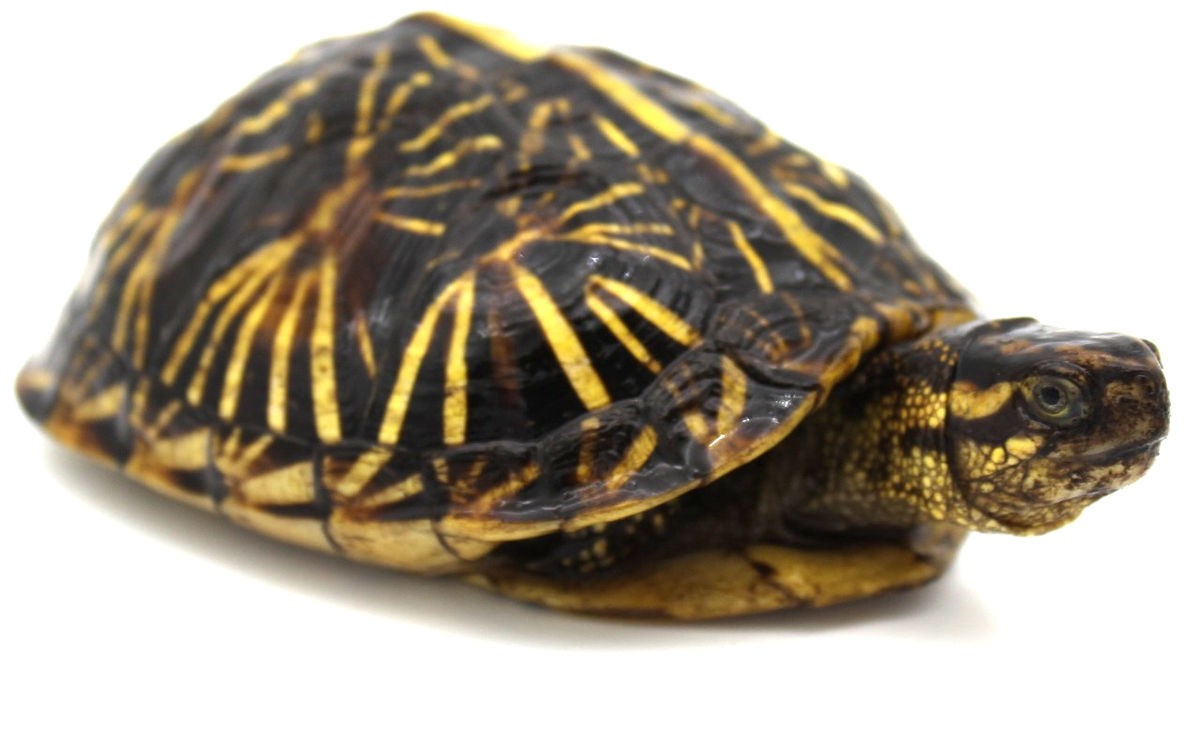
Florida Box Turtle
The Florida Box Turtle (Terrapene carolina bauri) is named for its unique “hinged” plastron that allows it to close its shell completely like a box.
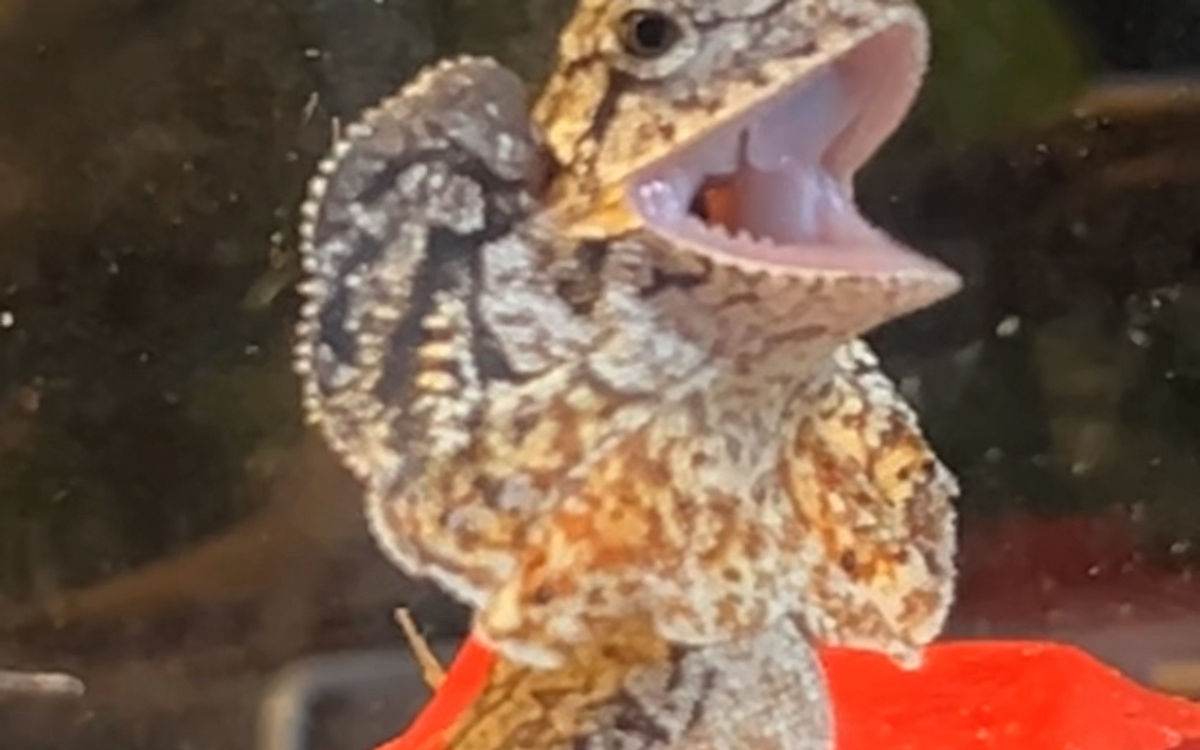
Frilled Lizard
Scientific Name: Chlamydosaurus kingii Name Origin: Called the “frilled” lizard for the large circular frill around its neck, which it expands when threatened.
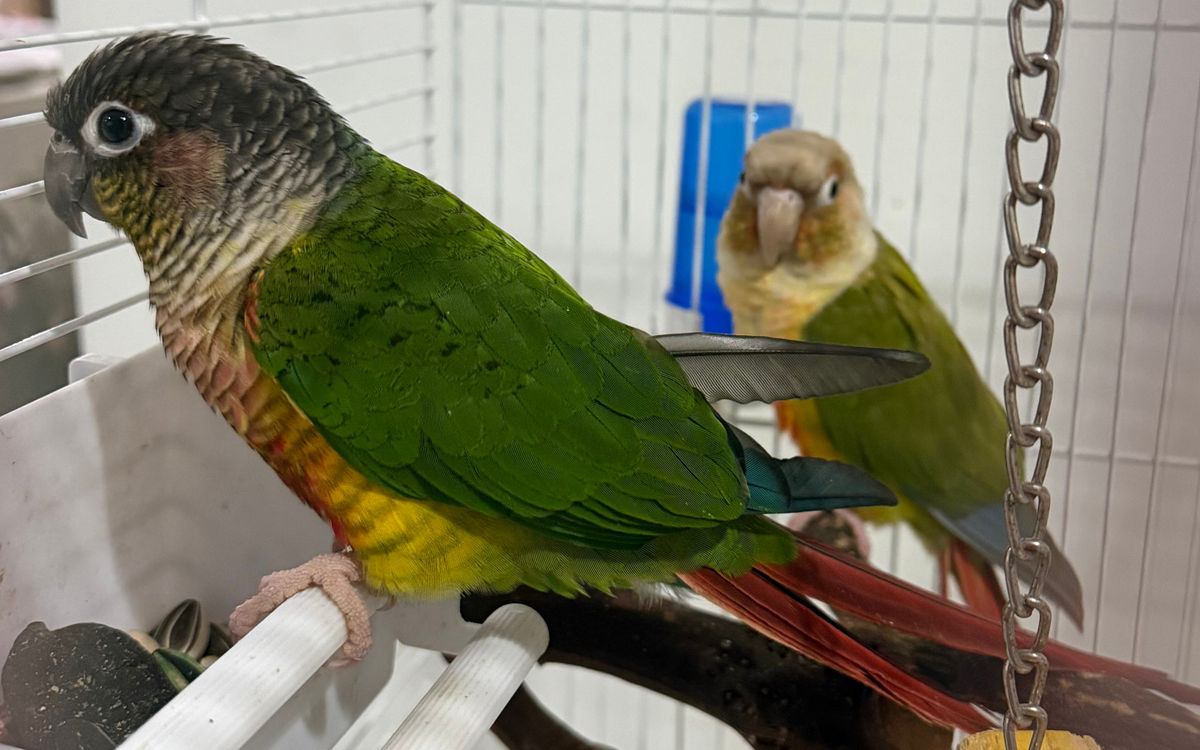
Green-Cheeked Conure
The Green-cheeked conure (Pyrrhura molinae) is named for the green feathers on its cheeks and belongs to the small conure group.
Indian Star TortoiseIndian Star Tortoise
They meet most show requirements: they are friendly, rarely poop when calm, can do multiple shows, can be boxed for transport, and do well with Miami heat.
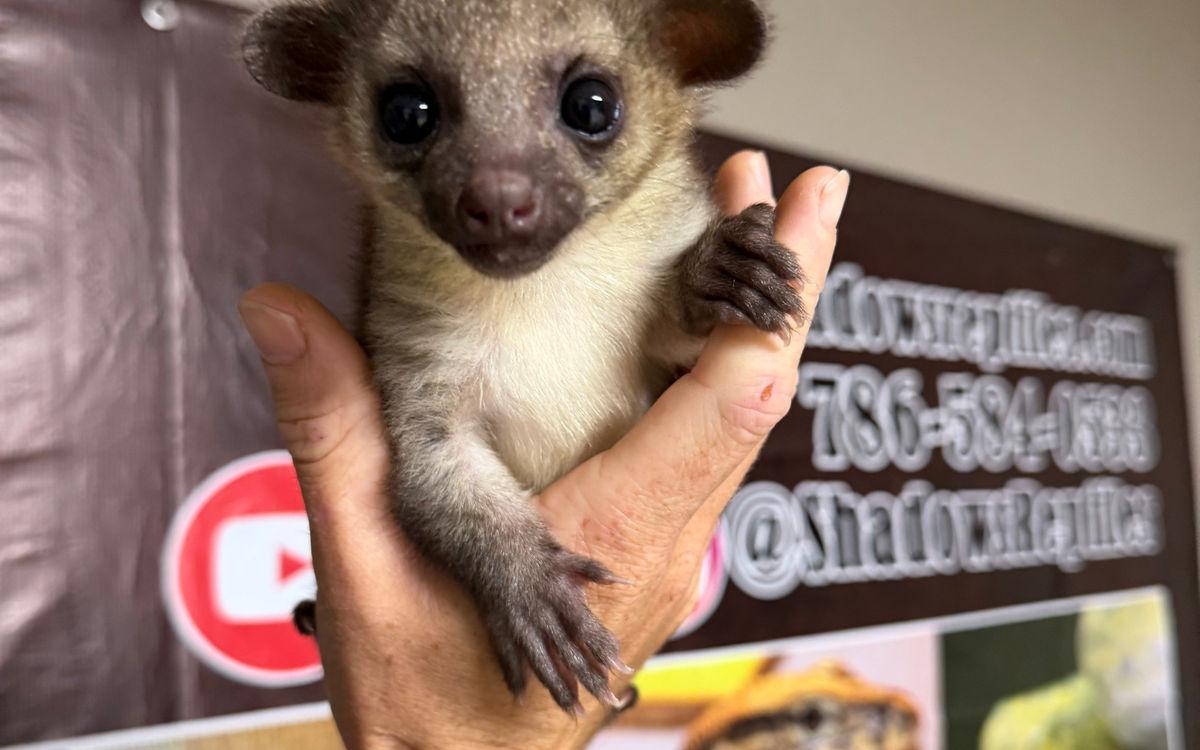
Kinkajou
The kinkajou (Potos flavus) is a nocturnal arboreal mammal often called the “honey bear”—not because it’s a bear, but because of its love for sweet fruits and nectar.
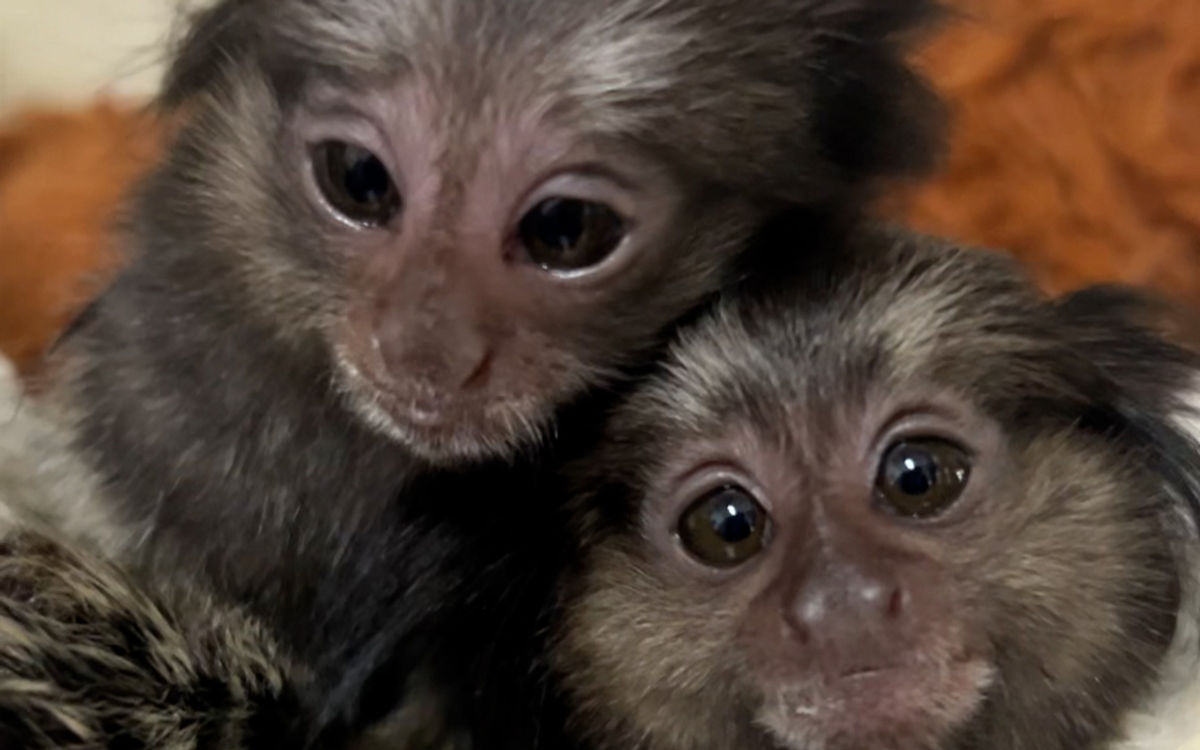
Marmoset Monkey
The marmoset monkey (Callithrix spp.) is a tiny New World primate known for its expressive eyes, long tail, and distinctive ear tufts.
Mexican Black KingsnakeMexican Black Kingsnake
Scientific Name: Lampropeltis getula nigrita.
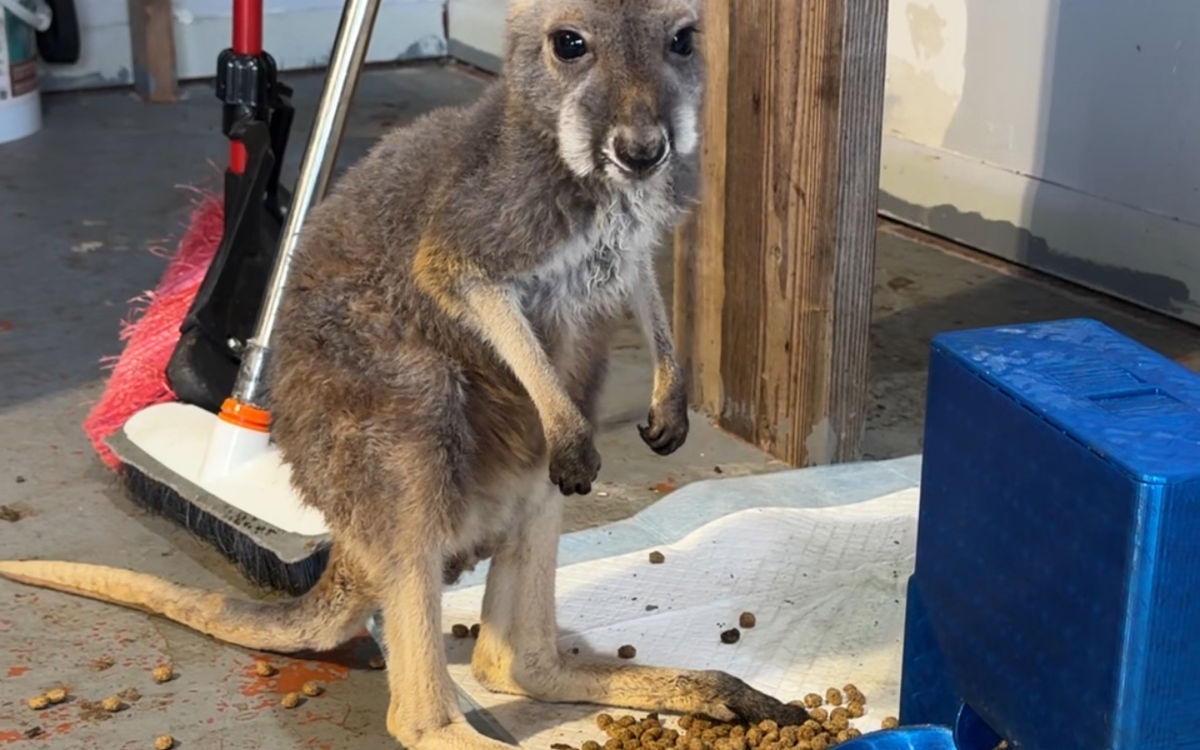
Red Kangaroo
The Red Kangaroo (Macropus rufus) is the largest marsupial in the world and gets its name from the reddish-brown coat seen mainly in adult males (females are more blue-gray).
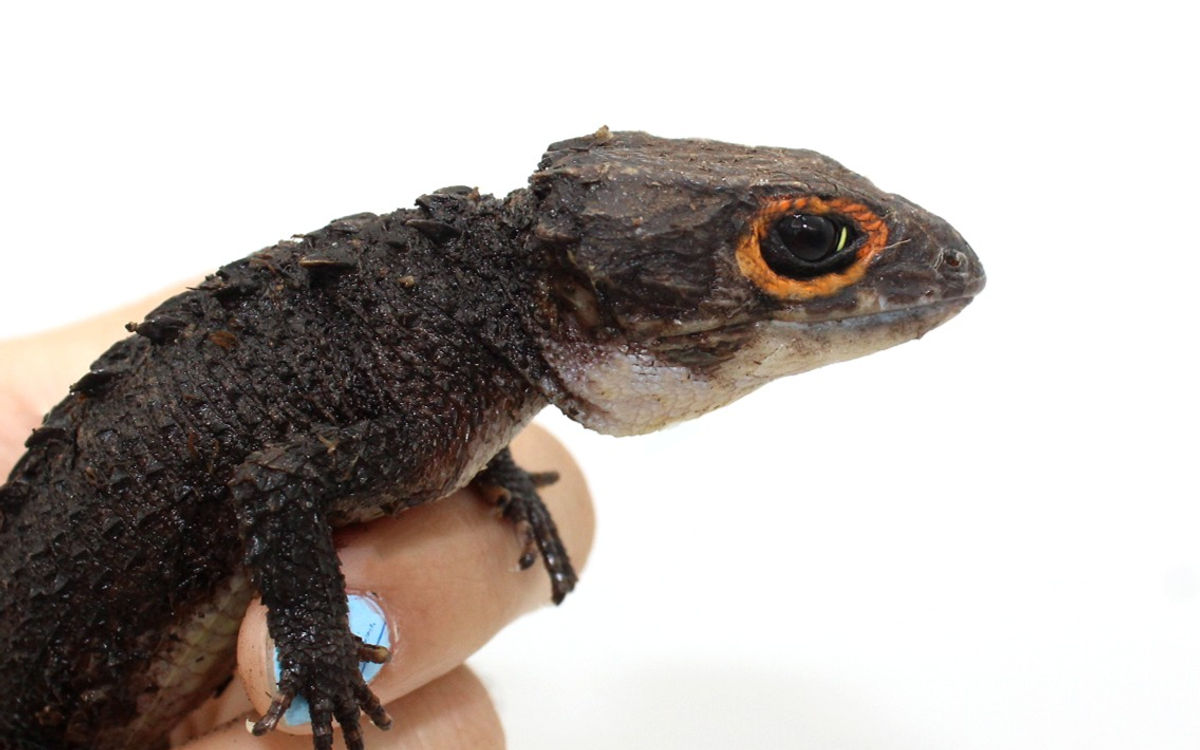
Red-Eyed Croc Skink
Scientific Name: Tribolonotus gracilis Species Name Meaning: Called “crocodile skink” because of its armor-like dorsal scales and ridges that resemble a tiny crocodile, and “red-eye” for the bright orange/red ring around its eye.
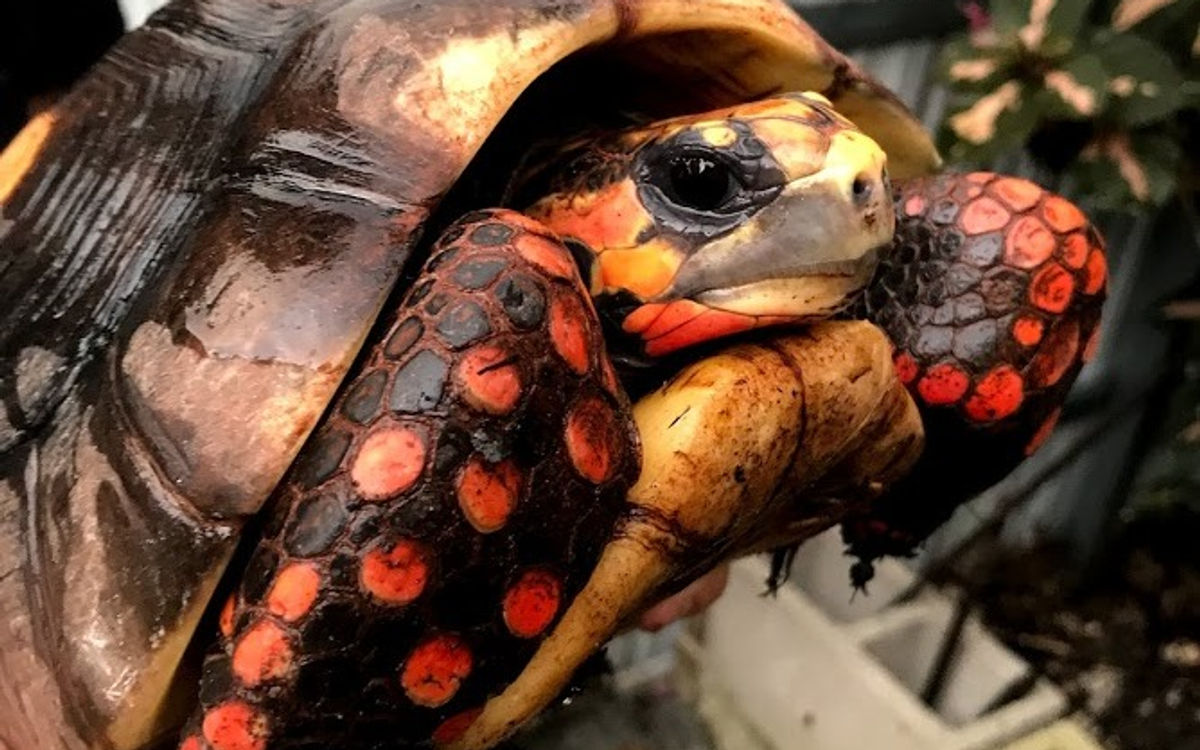
Redfoot Tortoise
The Redfoot tortoise (Chelonoidis carbonarius) gets its name from its bright red, orange, or yellow scales on the legs and head.
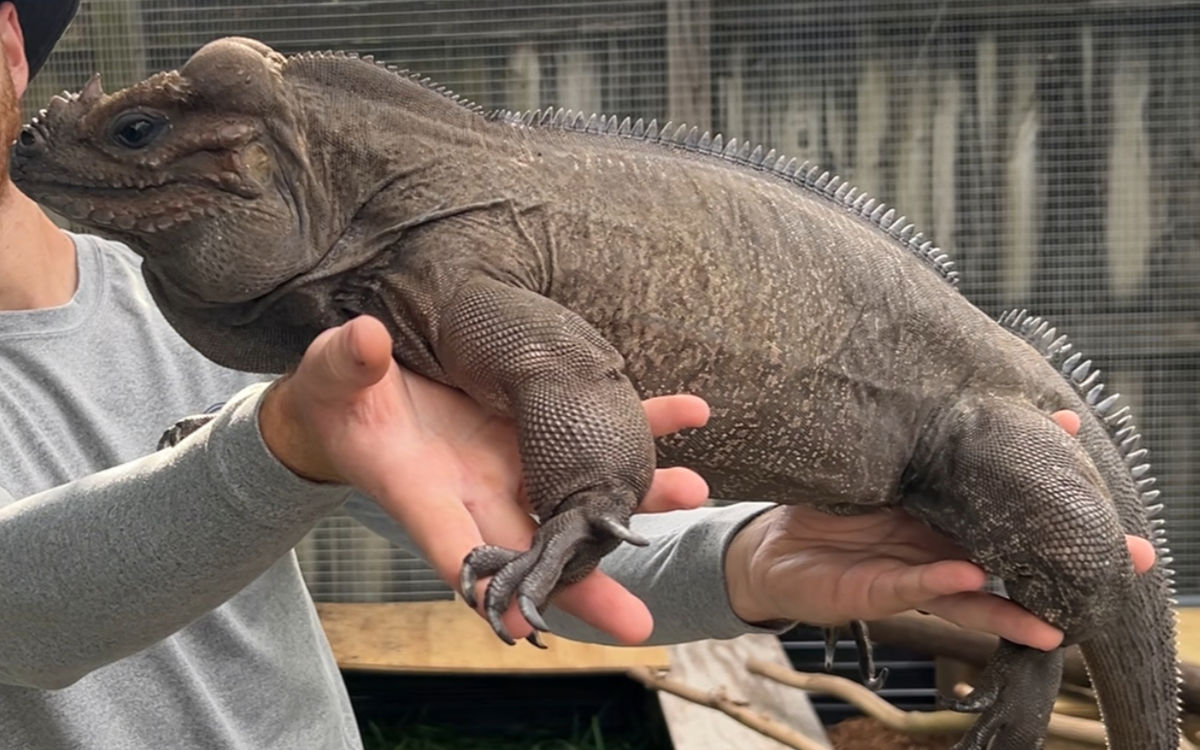
Rhino Iguana
They are usually gentle with kids when well-trained.
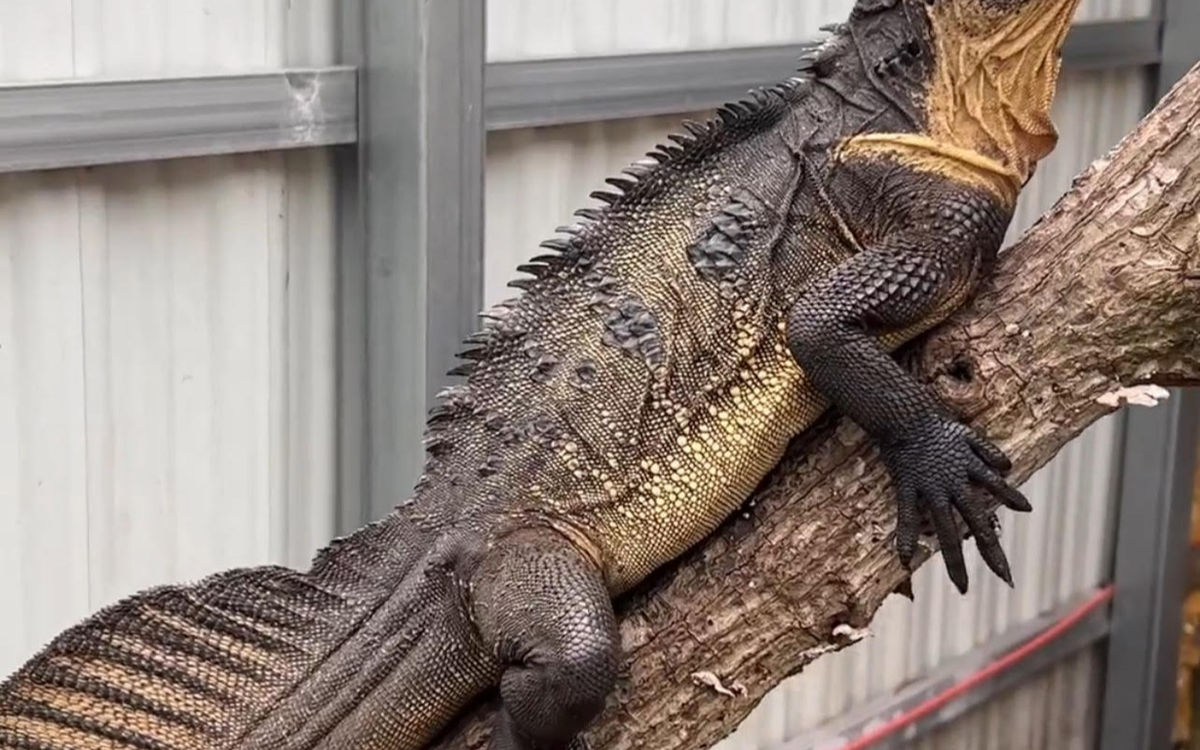
Sailfin Dragon
Why the Name: Called “sailfin” for the large, dramatic crest (sail) on their tail and back, used for display and stability while swimming.
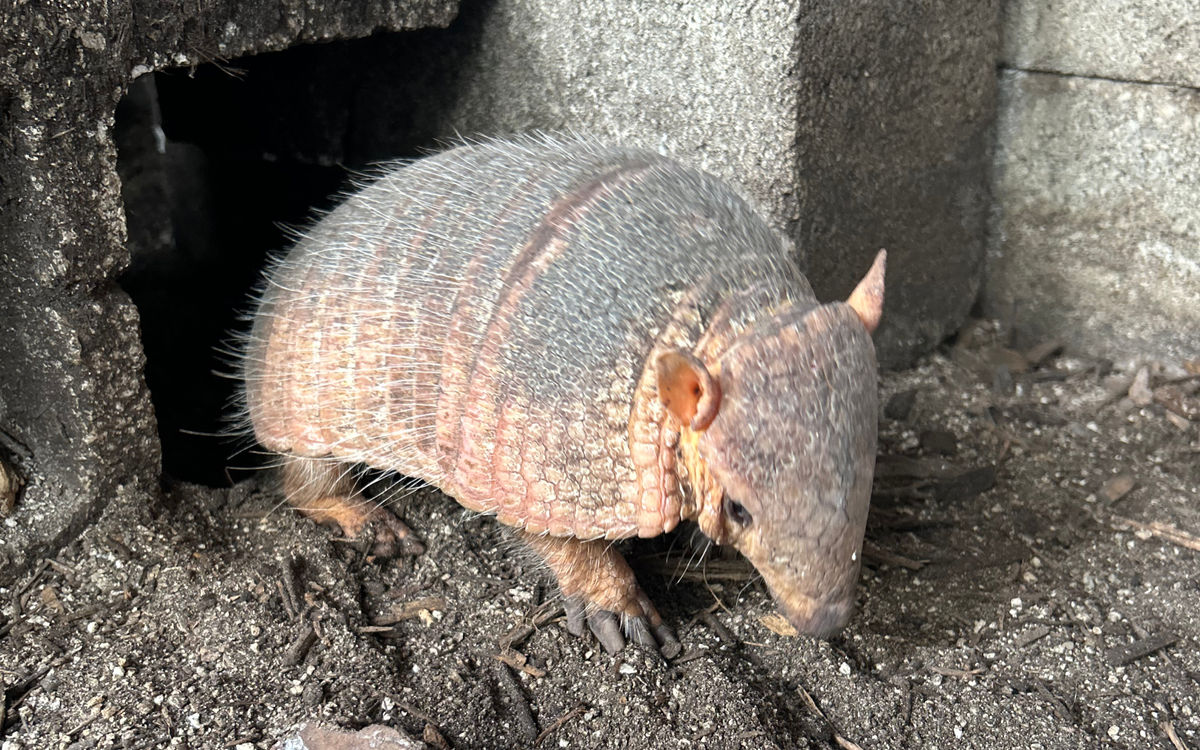
Screaming Hairy Armadillo
Chaetophractus vellerosus The screaming hairy armadillo gets its name from the loud, high-pitched scream it makes when threatened.
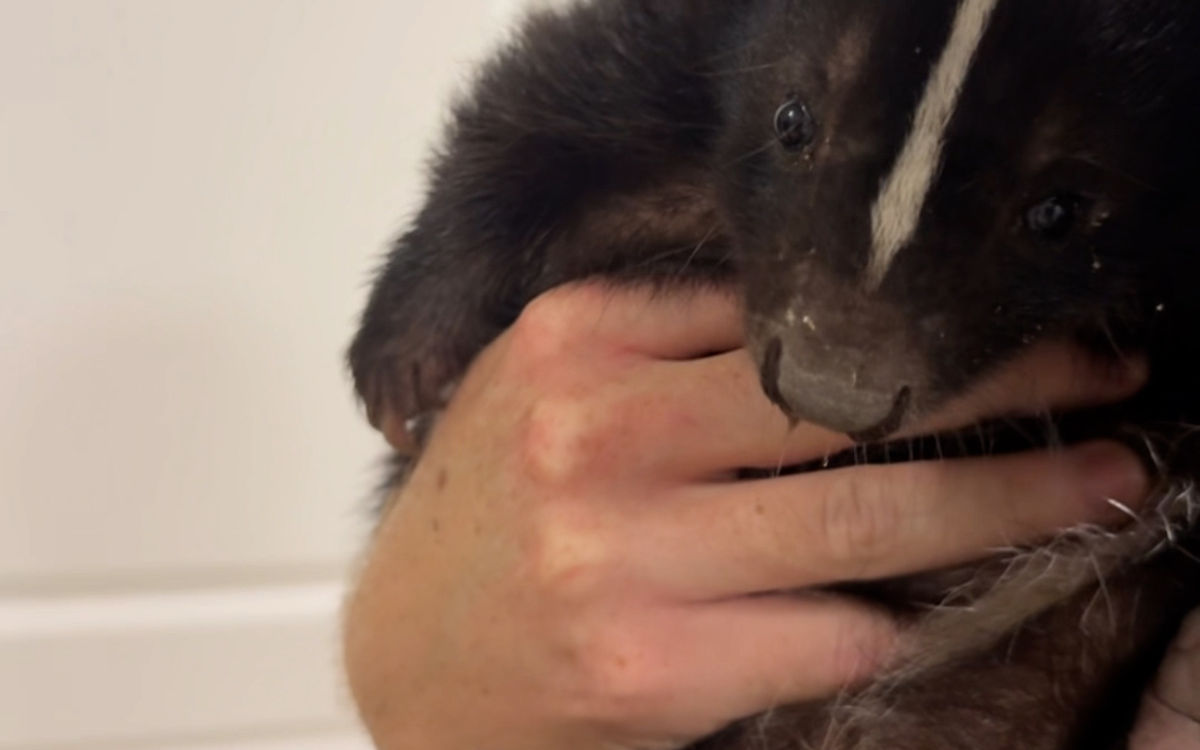
Skunk
The skunk (scientific name Mephitis mephitis for the striped skunk, the most common species in captivity) gets its name from the Algonquian word “seganku,” meaning one who squirts, referring to its powerful scent glands.
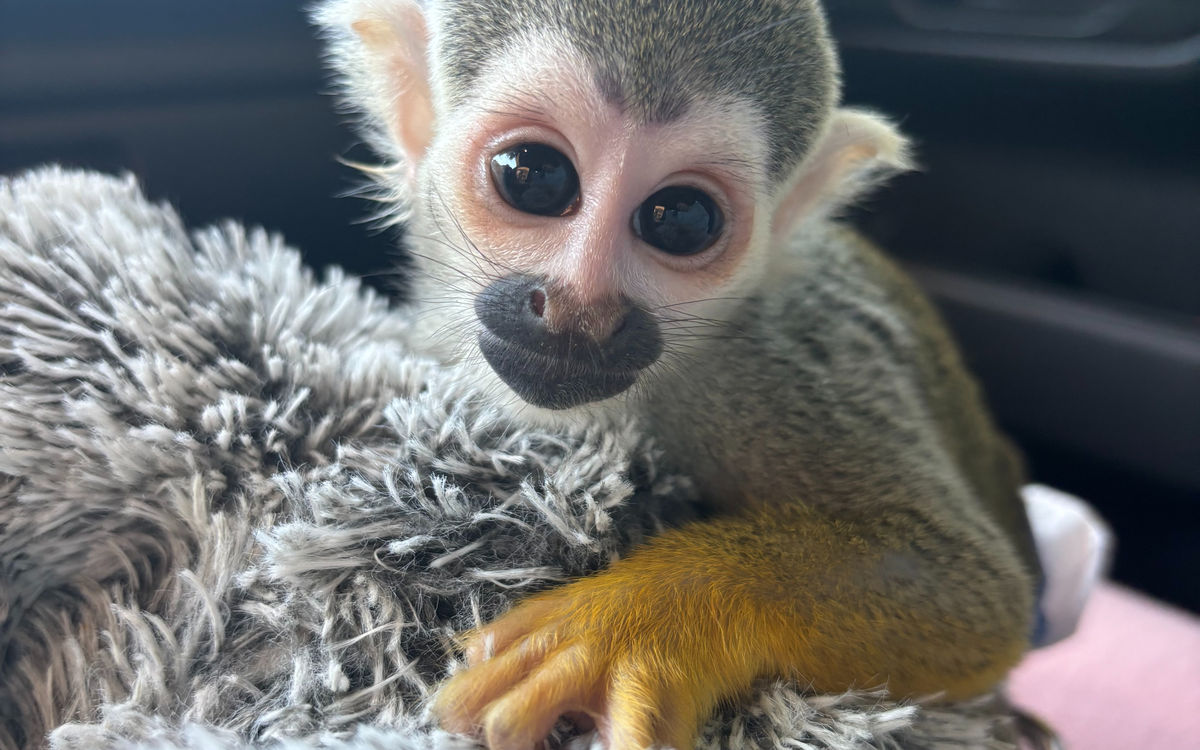
Squirrel Monkey
Scientific Name: Saimiri sciureus (Common Squirrel Monkey) Name Meaning: Called “squirrel” monkey because they move like squirrels—fast, agile, and always climbing branches.
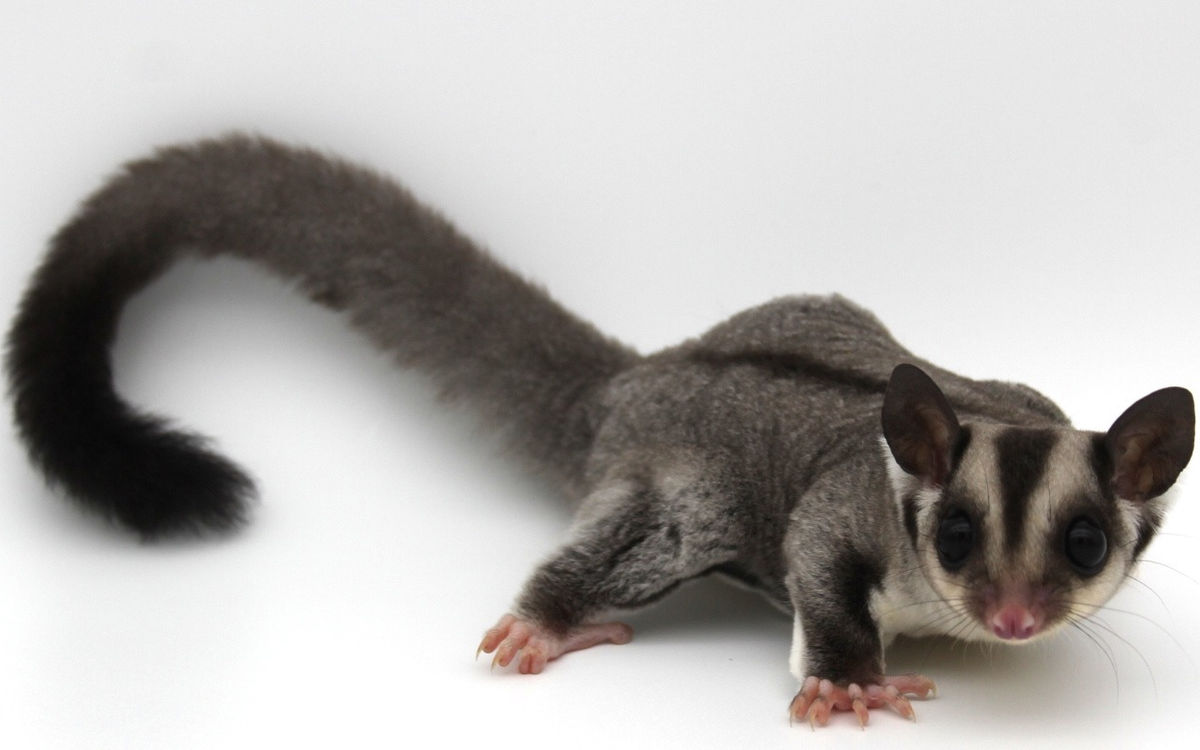
Sugar Glider
Scientific Name: Petaurus breviceps Name Meaning: Called “sugar glider” because they love sweet foods like sap and nectar and can “glide” through the air using the membrane between their limbs.
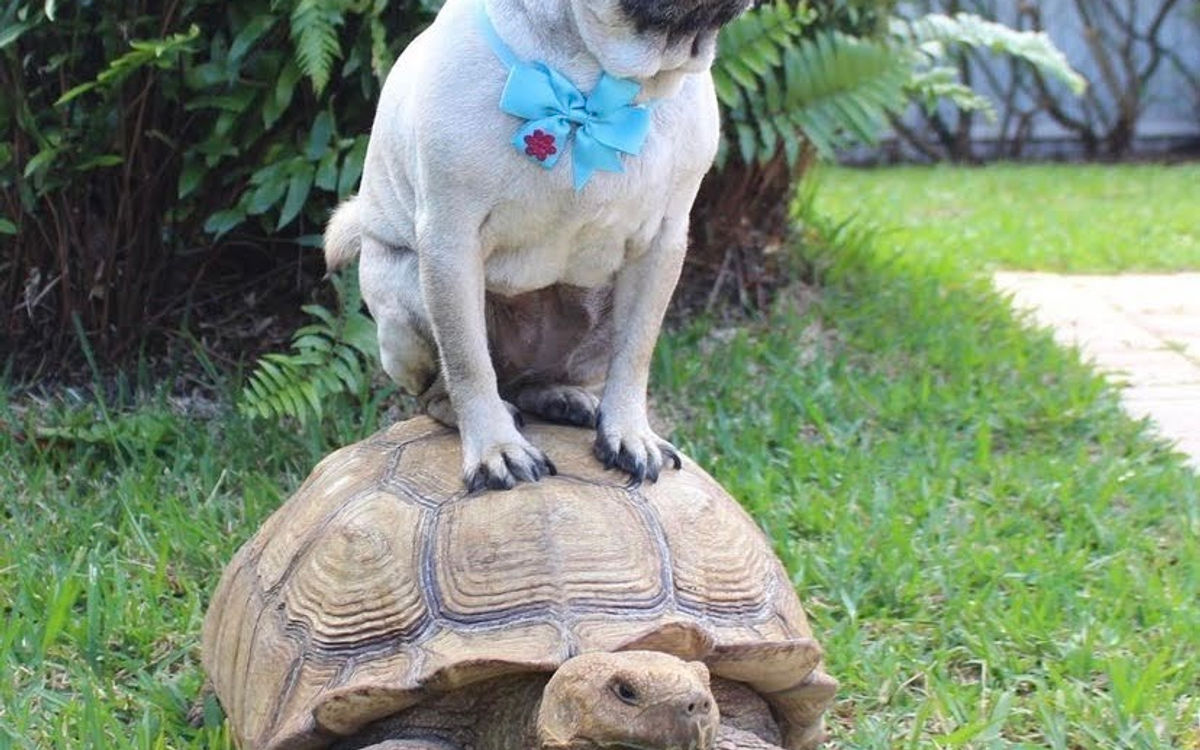
Sulcata Tortoise
Scientific Name: Centrochelys sulcata Name Meaning: “Sulcata” means “furrowed,” referring to the deep grooves on their scutes and the spurred scales on their legs.
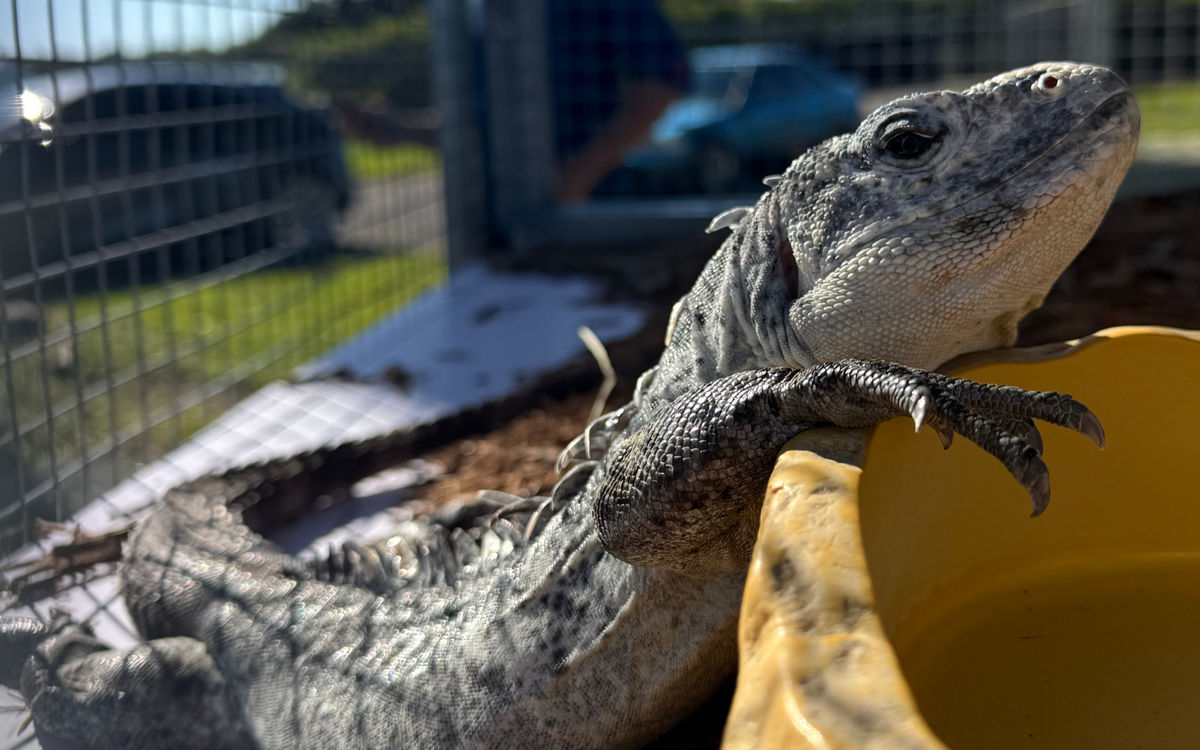
Utila Island Iguana
Scientific Name: Ctenosaura bakeri Species Name & Meaning: Also called the Swamper Iguana, named because it lives almost entirely in mangrove swamps on Utila, a small island off Honduras.
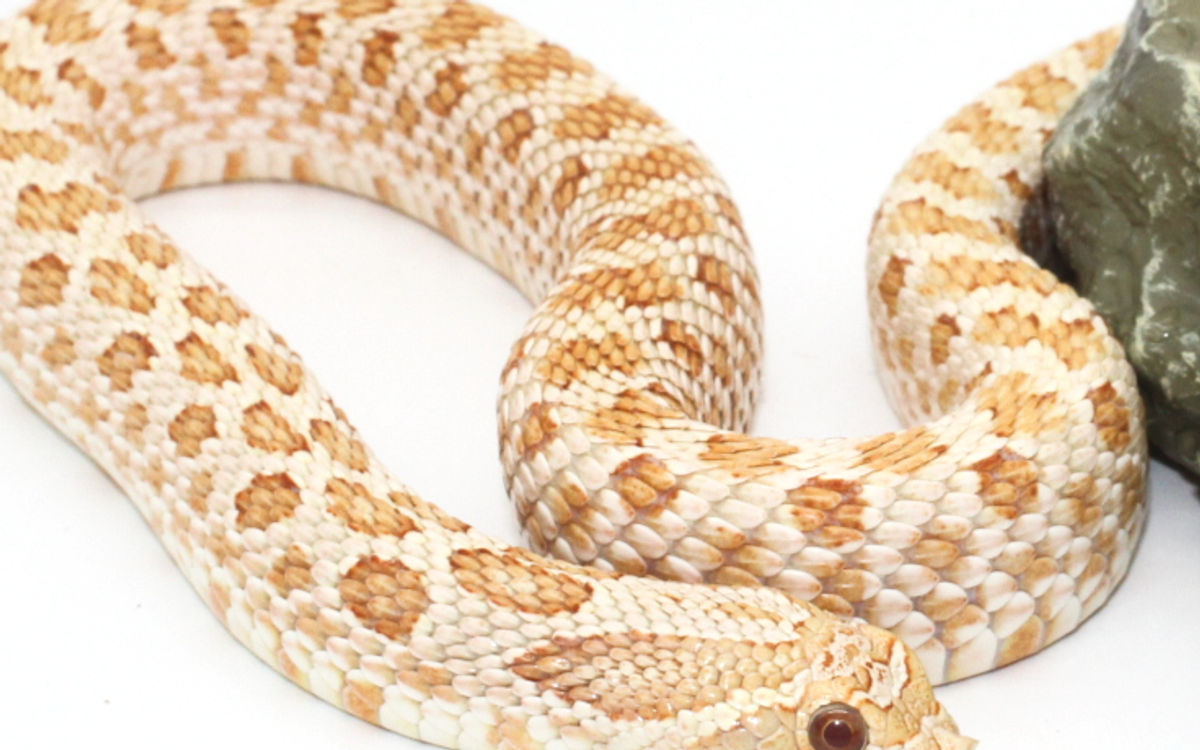
Western Hognose Snake
Scientific Name: Heterodon nasicus (Western hognose snake) Species Name & Why: Called the “hognose” because of its upturned, shovel-like snout used for digging in loose soil and sand.
No animals match your search. Try another word, or text us at 786-584-0533.
Want the Full Story?
Quick guides cover the numbers. Our care guides go deep on husbandry, health, and raising an animal well.