← Back to Quick Guides
Fun Facts
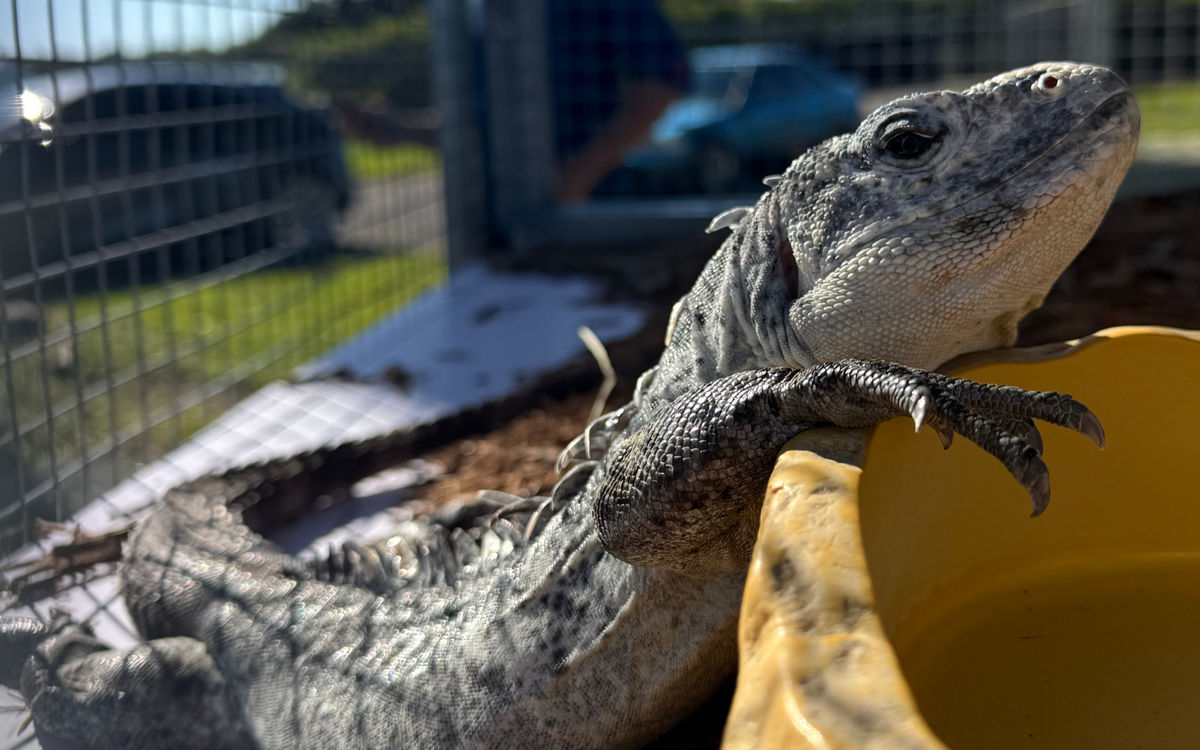
Provide a large, humid, mangrove-style setup. Adults need at least 6 ft long × 3 ft deep × 4 ft tall, but bigger is strongly recommended.
Use cypress mulch, soil, or a soil-sand mix with leaf litter. Add thick branches, cork, and hideouts. Provide climbing structures because they are semi-arboreal.
Basking spot should be 105–115°F. Cool side 78–85°F. Ambient daytime 85–90°F. Night drop 75–80°F.
Humidity should be 60–80% with daily misting.
UVB is absolutely required (high output 10.0 or T5 HO).
Utila iguanas are primarily herbivorous, especially adults. Juveniles may opportunistically eat insects.
Feed daily, with slightly large salads for adults and smaller portions for juveniles.
Weekly Feeding Example
Hydration
Provide a large water bowl. They benefit from daily misting to simulate mangrove humidity. They may drink droplets off surfaces.
Supplements
Calcium with D3 2–3 times/week, multivitamin 1–2 times/week.
Common risks include
Consistent UVB, warmth, varied diet, and stable humidity are essential for long-term health.
Utila iguanas can be skittish and nervous, especially younger individuals. With time, they can become moderately tame, but they are not naturally calm like bearded dragons.
Too much handling can stress them. Keep sessions short and calm.
Support the body fully, avoid fast movements, and always approach from the side.
Not recommended for kids during shows — they can scratch, tail whip, and bolt.
Not ideal.
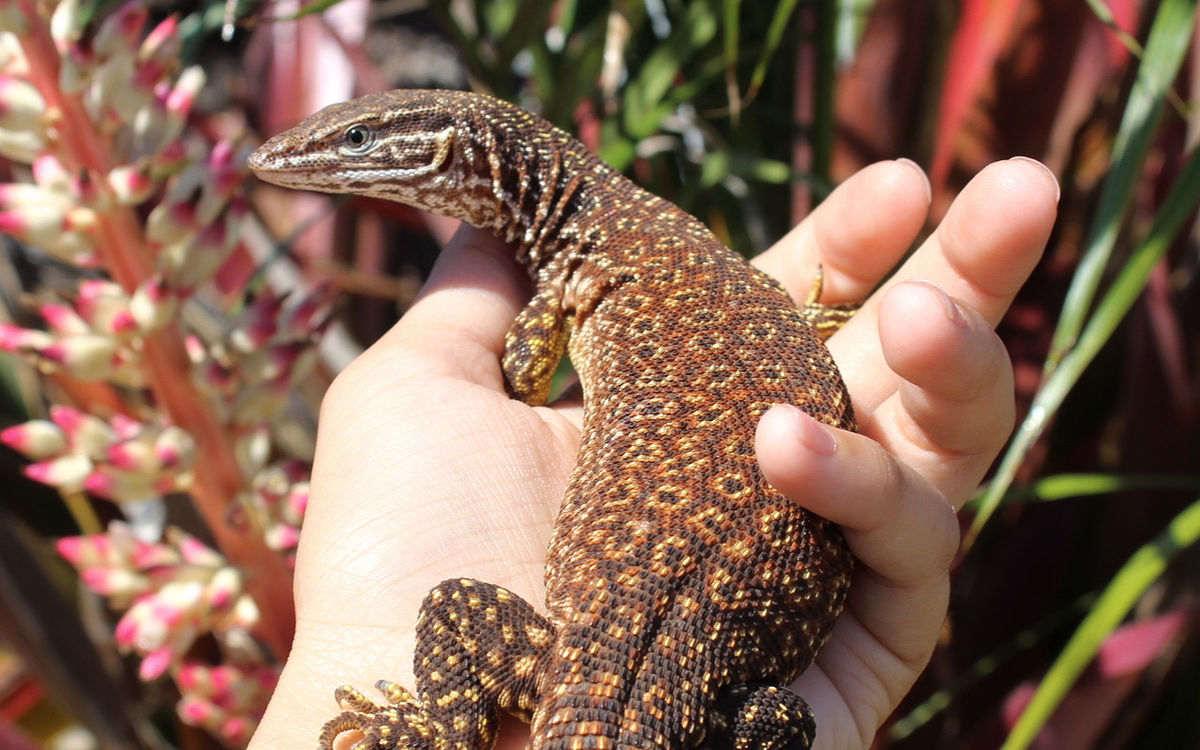
Varanus acanthurus — “Spiny-Tailed Monitor,” named for the ring of sharp tail spines used for defense.
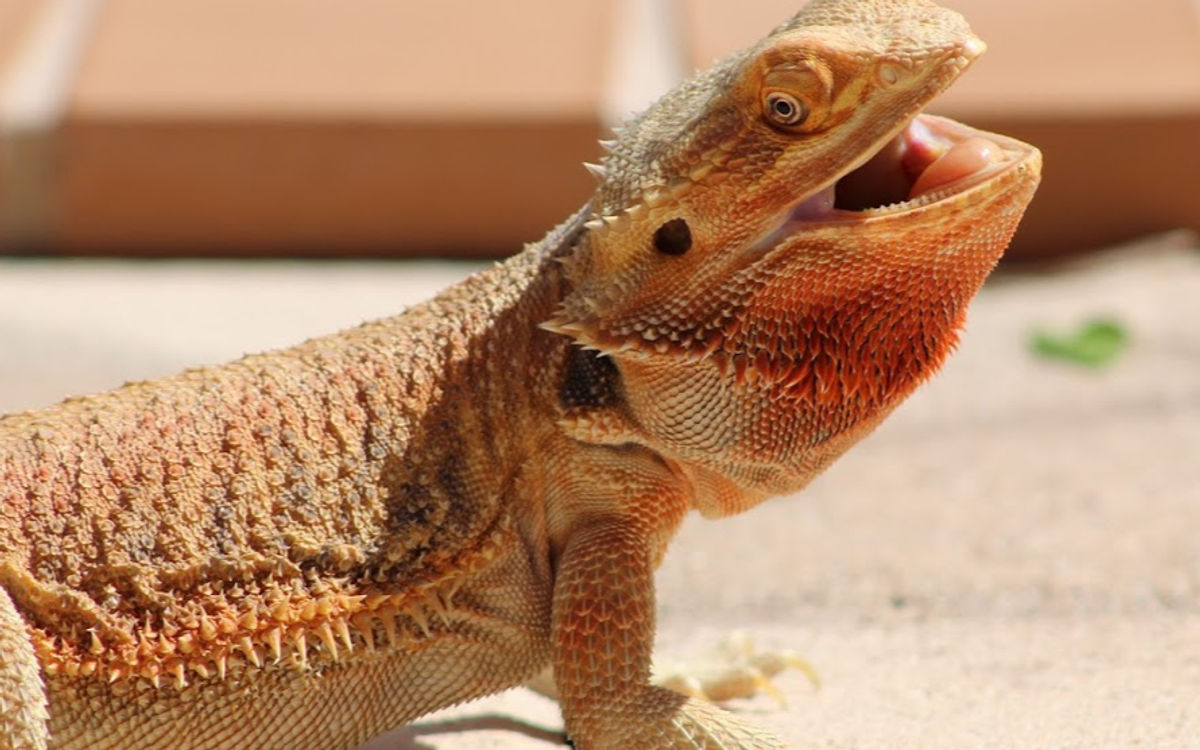
Scientific Name: Pogona vitticeps Common Name Origin: Called “bearded” dragons because they puff out their throat “beard,” which darkens when stressed or displaying.
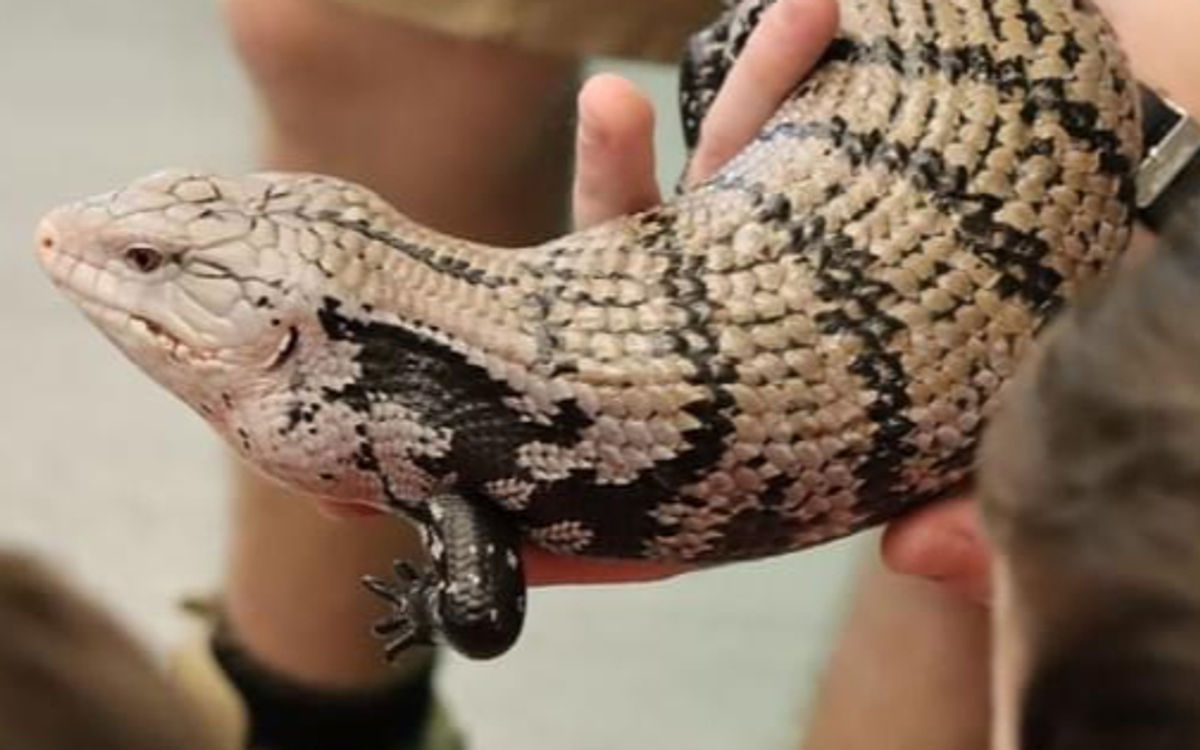
Scientific Name: Tiliqua scincoides (most common species in captivity, though several regional species exist).
Book an encounter and see this animal in person, or ask us anything about its care.
Book an Encounter