← Back to Quick Guides
Sulcatas need a large, open, outdoor-friendly habitat. Adults require at least a 10x10 ft area minimum, but larger is strongly preferred. Outdoors is ideal in warm climates like Miami. Provide deep substrate for digging—cypress mulch, topsoil, or a mulch/soil mix works well and holds moisture safely. They must have a heated hide in cooler months.
Provide a basking area of 100–105°F, a warm side around 90°F, and a cool side 75–85°F. Night temps should stay above 70°F. They require UVB when housed indoors or during cloudy seasons. Ideal humidity is 40–60% with access to slightly humid retreat spots. Sulcatas tolerate extreme heat very well but do NOT tolerate cold—they should be brought inside or heated when temps drop below 65°F.
Sulcatas are strict herbivorous grazers. Their diet must be high fiber, high calcium, and low protein + low sugar.
Weekly Feeding Schedule (adult)
3x a week: Add weeds, hardy edible plants, hibiscus leaves/flowers, opuntia cactus pads.
1x a week: A small amount of commercial tortoise pellets, soaked.
Food Categories
Common risks include respiratory infections if kept cold, shell pyramiding from poor diet or hydration, and parasites from contaminated greens. Dehydration is one of the most common issues in juveniles. Bacterial infections and metabolic bone disease can be fatal if UVB and calcium are insufficient.
Sulcatas tolerate handling but do not always enjoy being lifted—too much handling can stress them. Support them from underneath with two hands, keep them low to the ground, and avoid sudden movements. They are extremely strong and can kick powerfully.
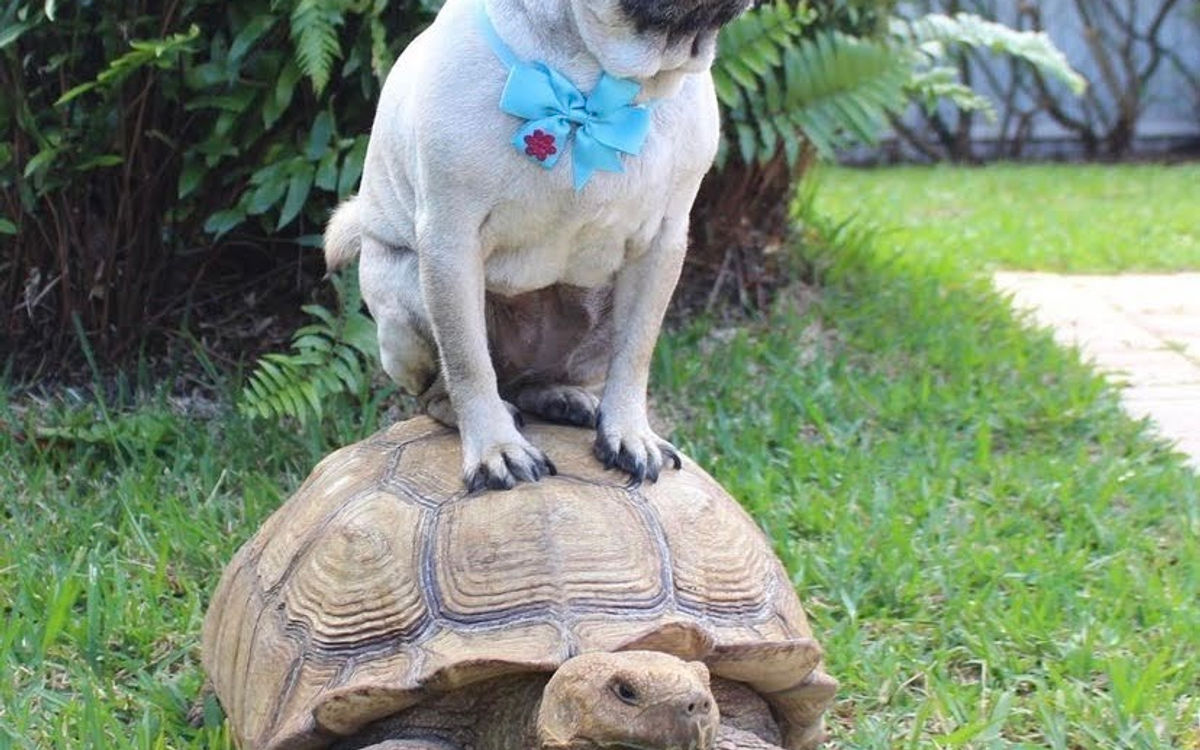
For shows, sulcatas are generally excellent with children: calm, slow, gentle, and can sit for long periods. Kids can safely touch their shell. They are not ideal to pick up repeatedly due to size, but small juveniles work well.
Sulcatas tend to be
They are one of the BEST animals for beginner handlers and children.
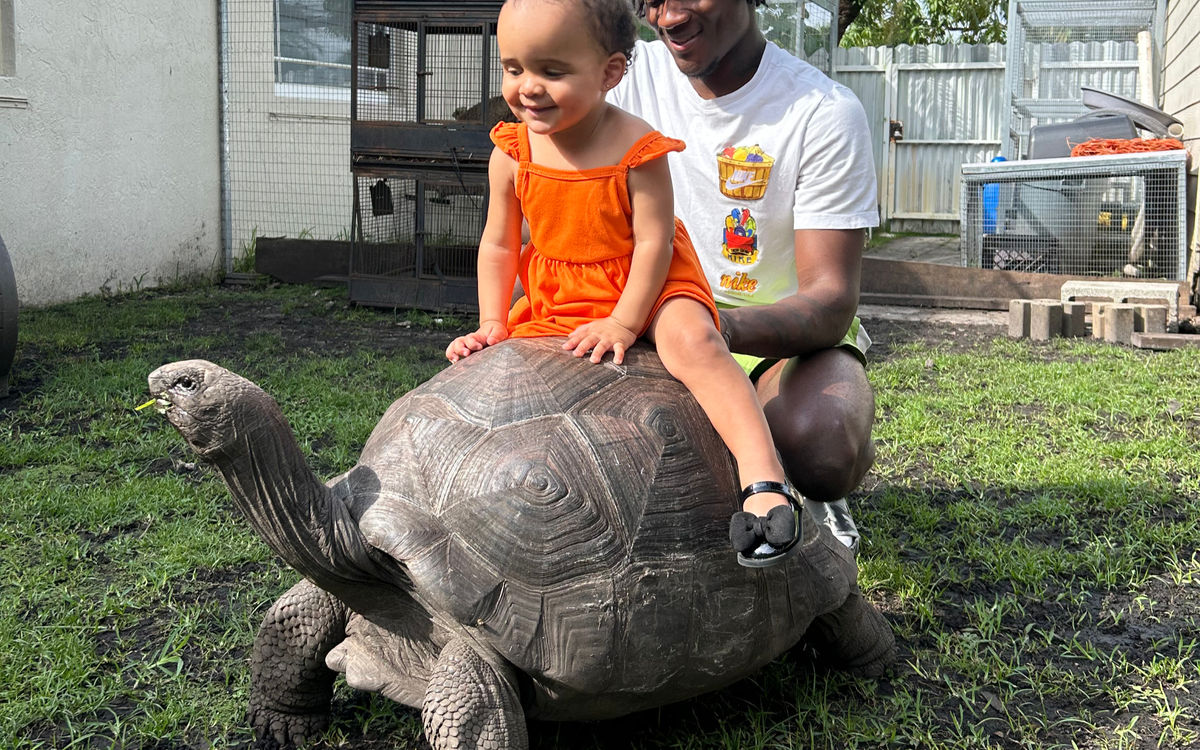
Scientific Name: Aldabrachelys gigantea Species Name Meaning: Named after the Aldabra Atoll in the Seychelles, its only natural home.
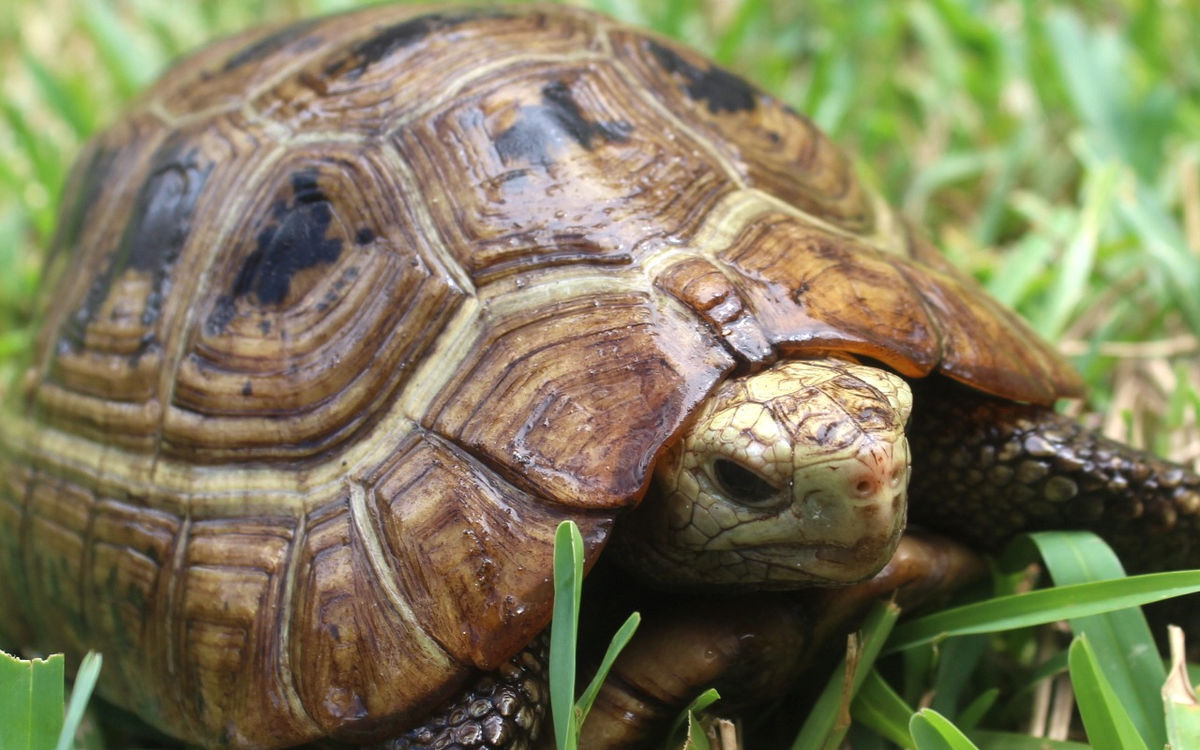
The elongated tortoise (Indotestudo elongata) gets its name from its long, oval-shaped shell.
 Indian Star Tortoise
They meet most show requirements: they are friendly, rarely poop when calm, can do multiple shows, can be boxed for transport, and do well with Miami heat.
Book an encounter and see this animal in person, or ask us anything about its care.
Book an Encounter