Elongated Tortoise
← Back to Quick Guides

Elongated Tortoise

TortoisesPrintable care sheet

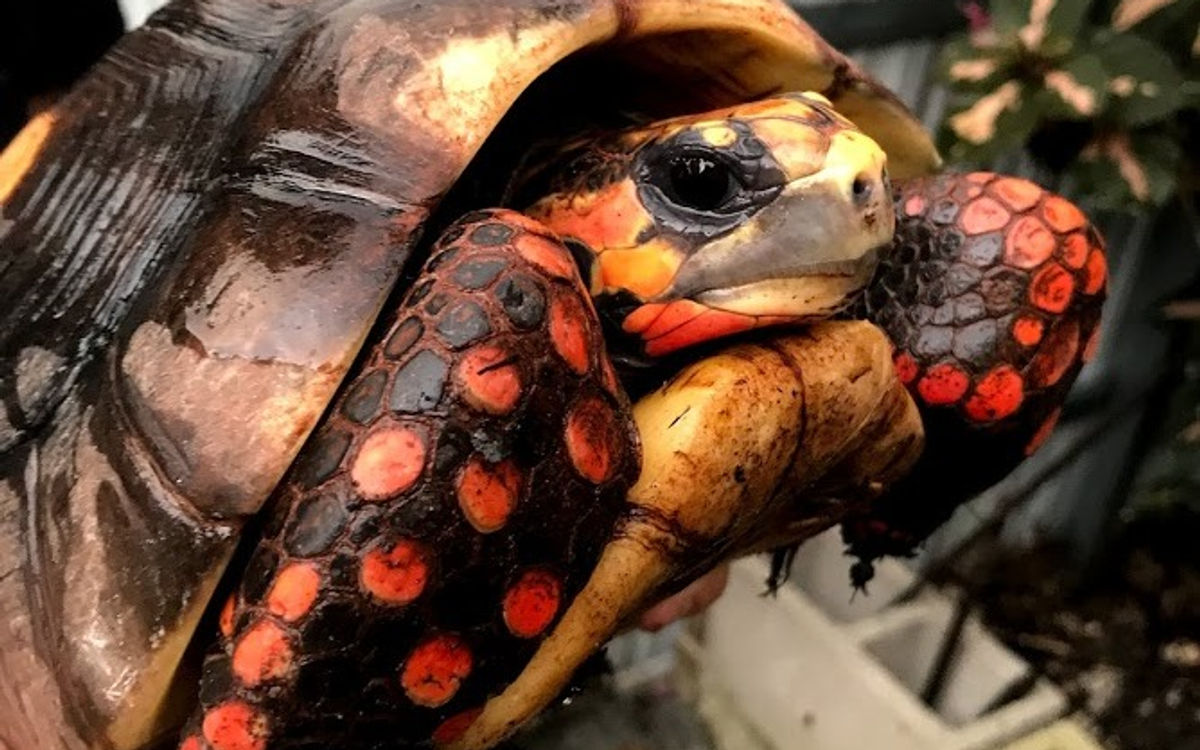
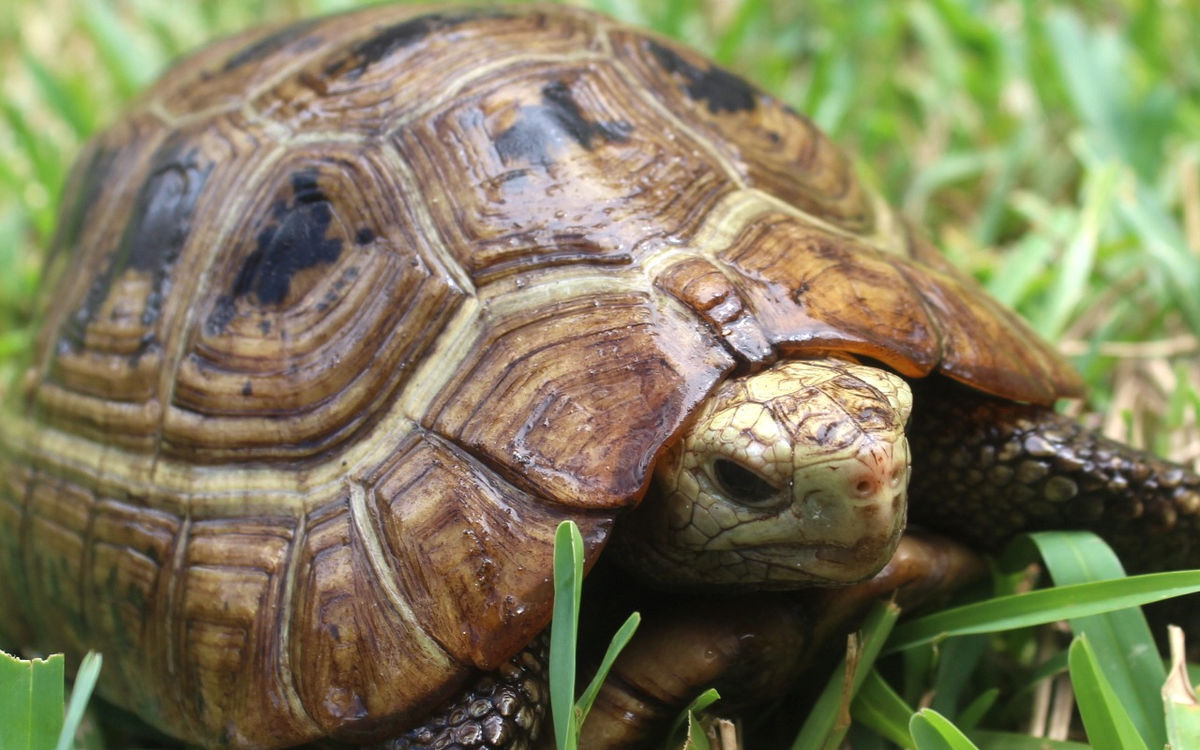
The elongated tortoise (Indotestudo elongata) gets its name from its long, oval-shaped shell. Adults reach 12–14 inches and live 40–60+ years. Native to Southeast Asia (India, Nepal, Bangladesh, Myanmar, Thailand, Laos, Vietnam, Cambodia), they live in humid forests, leaf litter, and monsoon woodlands. They are shy, slow-moving, and spend much time hiding. Mostly solitary. They are crepuscular (most active early morning and late afternoon). Their shape helps them slip through dense forest undergrowth.

Fun facts
They blush—skin around their head can turn pink during breeding season; they are excellent at recognizing routine and feeding times.

Enclosure

Ideal size
One adult needs at least a 6 ft x 3 ft indoor enclosure; larger is better. Outdoors is ideal in warm climates (like Miami). Use cypress mulch, soil, leaf litter, or coco husk for humidity retention and digging. Provide hides and shaded areas.
Temps
Basking 88–92°F, cool side 75–80°F, ambient 80–85°F, humidity 60–80%. They require UVB (10–12%).
Ideal range
Prefers warm, humid climates 75–90°F. Can tolerate brief dips to 65°F but should not be kept cold. Over 95°F requires extra shade and moisture.

Diet and Hydration

Elongated tortoises are primarily herbivores, with a small amount of fruit and occasional protein in the wild.

Weekly Feeding (adult)

Daily
Large handful of mixed greens
  • 3–4× weekly: Vegetables
  • 2× weekly: Fruits (small amounts)
  • 1× weekly: Optional protein (cooked egg, low-fat dog food, or mushroom) for individuals that need it—avoid overuse

Food Options

Staples
Spring mix, collard greens, mustard greens, endive, escarole, cactus pads, hibiscus leaves/flowers, mulberry leaves
Vegetables
Squash, zucchini, bell pepper, green beans, carrots (small portions)
Fruits (treats)
Papaya, mango, banana with skin, berries, melon
No Feed/Toxic
Onion, garlic, avocado, rhubarb, iceberg lettuce, high-oxalate greens daily, dog/cat food as a regular diet
Hydration
Provide a large shallow water dish for soaking and drinking. Soak juveniles 3× weekly; adults 1× weekly. Maintain humidity with regular misting.
Supplements
Calcium with D3 2–3× weekly, multivitamin 1× weekly.
Behavior note
They often rush food and may overeat fruit—keep fruit controlled.

Health

Prone to respiratory infections if kept too dry or cold, shell rot from poor substrate, internal parasites (common in wild imports), and dehydration-related kidney issues. Must maintain humidity and regular soaks.

Handling

Elongated tortoises stress easily with excessive handling. They tolerate calm handling but prefer minimal interaction. Always support the entire body and avoid flipping or squeezing the shell edges. Loud environments may scare them.
For shows
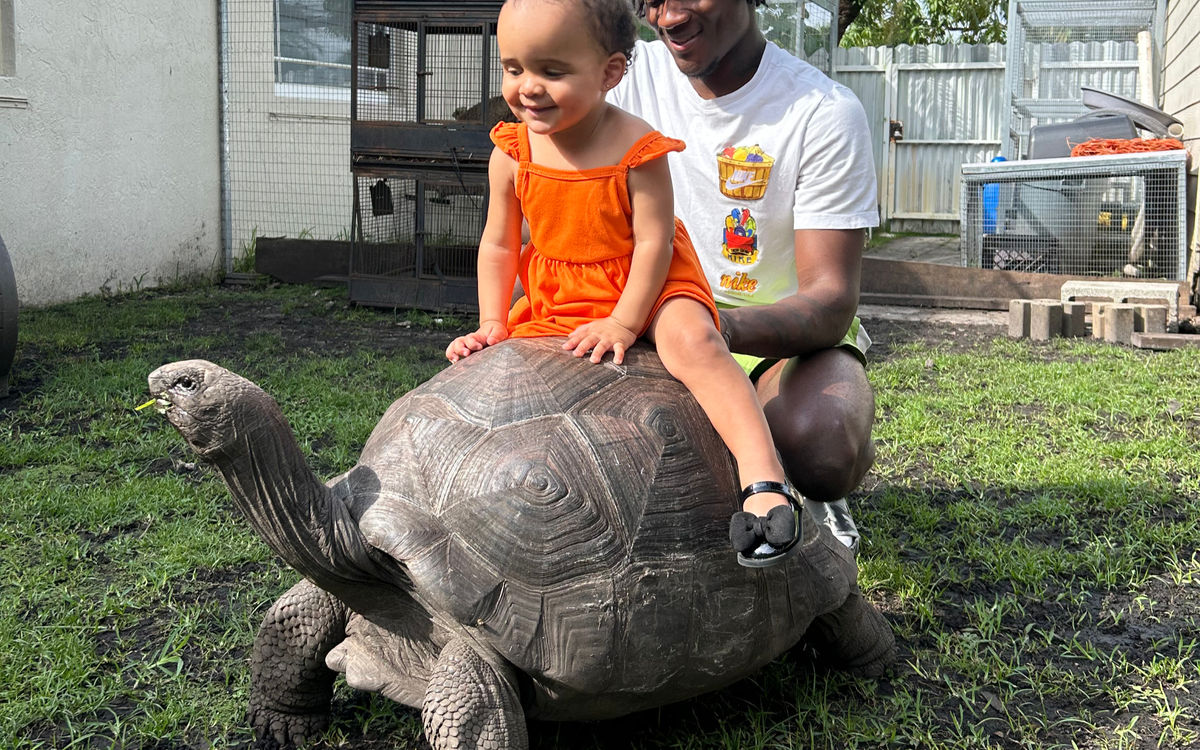
Not ideal. They are shy, may urinate/defecate when stressed, and do not enjoy repeated handling. They also can dry out or overheat quickly. Not recommended for kids to hold.

Requirements for Show Animals

Super friendly/handleable
No – shy and stress-prone
Not messy
No – may poop when stressed
Multiple shows per day
No
Can be boxed all day
No, needs humidity
Good with heat
Moderate, but dries out fast
Conclusion
Not suitable for Shadow’s Reptiles show roster.

Want to Meet One?

Book an encounter and see this animal in person, or ask us anything about its care.

Book an Encounter