← Back to Quick Guides
- Scientific Name
- Lampropeltis getula nigrita.
- Species Name Meaning
- Part of the “kingsnake” group—named because they can eat other snakes, even venomous ones; “black” refers to their jet-black, glossy coloration.
- Size & Lifespan
- 3–4 feet on average, occasionally up to 5 feet. Lifespan 15–20+ years in captivity.
- Native Range
- Found in Sonora and Sinaloa regions of northwestern Mexico.
- Habitat
- Arid desert, scrublands, rocky areas, and semi-dry forests.
- Behaviors
- Curious, active, strong feeders. Can rattle tail, musk, or bluff-strike when stressed.
- Social Structure
- Solitary—only together for breeding.
- Activity Cycle
- Diurnal with crepuscular tendencies, more active early morning and late afternoon.
- Why They Look This Way
- All-black coloration helps regulate heat quickly in cooler desert mornings and provides camouflage.
- Fun Facts
- Known for immunity to some venom; excellent escape artists; one of the most popular kingsnake morphs due to their solid, sleek black look.
Enclosure
- Ideal Size
- Minimum 40-gallon (36”x18”x18”) for adults; larger preferred due to activity level.
- Substrate
- Cypress mulch, aspen, or a mulch blend that allows burrowing. Cypress is safe and helps maintain humidity.
- Temps/Humidity
- Basking spot 88–90°F. Cool side 72–75°F. Warm hide 80–82°F. Humidity 40–60%. Provide a humid hide for shedding. UVB optional but beneficial for natural rhythms.
- Temperature Tolerance
- Ideal ambient range 75–85°F. Can tolerate brief drops to 68–70°F and short peaks to low 90s, but avoid extremes.
- Notes
- Secure lid—excellent escape artists. Provide hides on both warm/cool sides and climbing branches.
Diet and Hydration
Feeding Schedule
- Juveniles (under 2 ft)
- 1 appropriately sized mouse every 5–6 days.
- Subadults
- 1 adult mouse every 7 days.
- Adults
- 1 small rat or XL mouse every 10–14 days.
- Avoid overfeeding—MBKs grow fast and can become overweight.
Food Options
- Staples
- Frozen-thawed mice, rats.
- Treats
- Quail chicks, reptilinks, small birds, occasional eggs (rare).
- No Feed/Toxic
- Wild-caught rodents, live prey (unless necessary), lizards from outside sources.
- Hydration
- Fresh clean water daily in a sturdy bowl large enough for soaking.
- Supplements
- None typically needed—whole-prey diet provides complete nutrition.
- Diet Behaviors
- Kingsnakes may display aggressive feeding response; open enclosure slowly during feeding days.
Health
Concerns
- Common reptile parasites (worms, mites) if hygiene is poor.
- Inclusion Body Disease (rare in kingsnakes but possible via exposure to boas).
- Respiratory infections if kept too cool.
- Stomatitis (“mouth rot”) if humidity/temp are off.
Overall a hardy species if husbandry is correct.
Handling
- Temperament
- Generally handleable and calm when accustomed to people. Juveniles may be flighty or musky.
- Stress
- Can stress if overhandled daily; short frequent sessions help tame them.
- Handling Tips
- Support full body, avoid fast movements, let snake move through your hands. Do not handle during shed or right after eating.
- Show Suitability
- Yes—Mexican Black Kingsnakes are one of the BEST show snakes. Calm, not too big, visually striking, rarely messy, great with kids once accustomed to handling.
Requirements for Show Animals
- Friendly & handleable
- Yes
- Not messy
- Usually very clean; low poop frequency
- Can do 5+ shows/day: Yes
- Can be boxed over a day
- Yes, with ventilation and proper temps
- Good with heat
- Yes, as long as temps stay 75–90°F
More Snakes
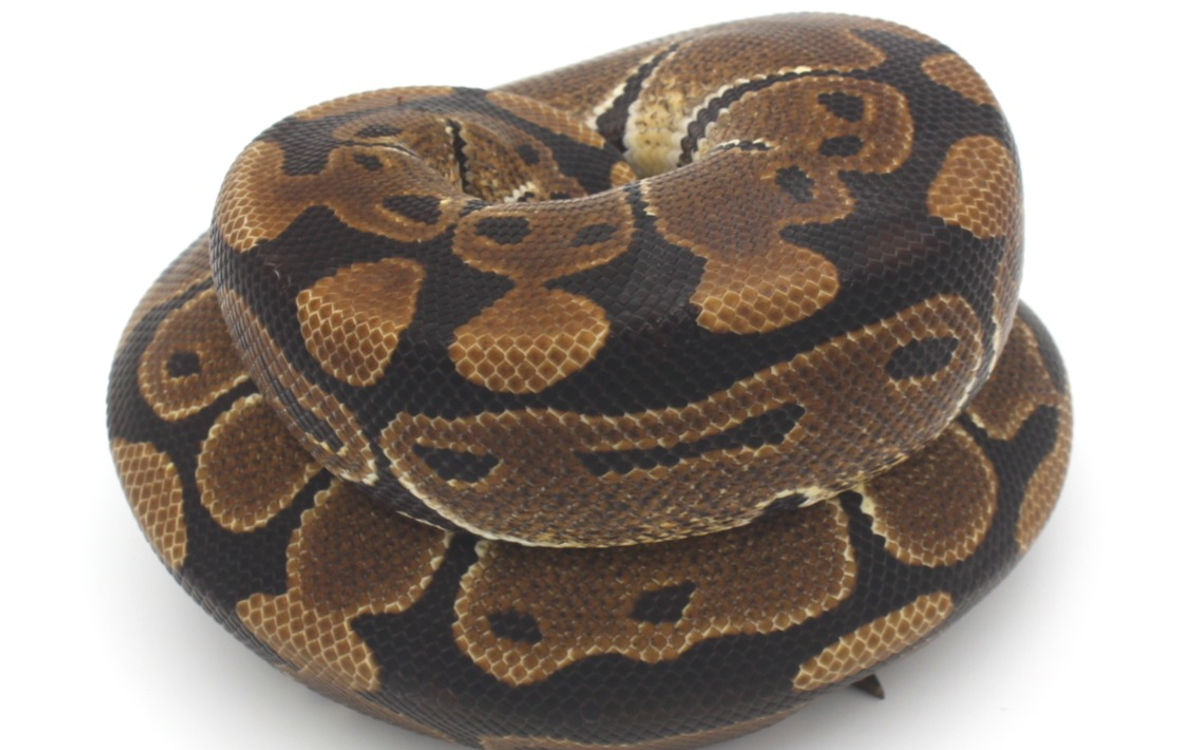
Snakes
Ball Python
Scientific Name: Python regius Why the Name: “Ball” python because they curl tightly into a ball when stressed or scared.
 Boa Constrictor
Snakes
Boa Constrictor
Scientific Name: Boa constrictor constrictor / Boa imperator Species Name & Origin: Called the “boa constrictor” because of its method of subduing prey by constriction.
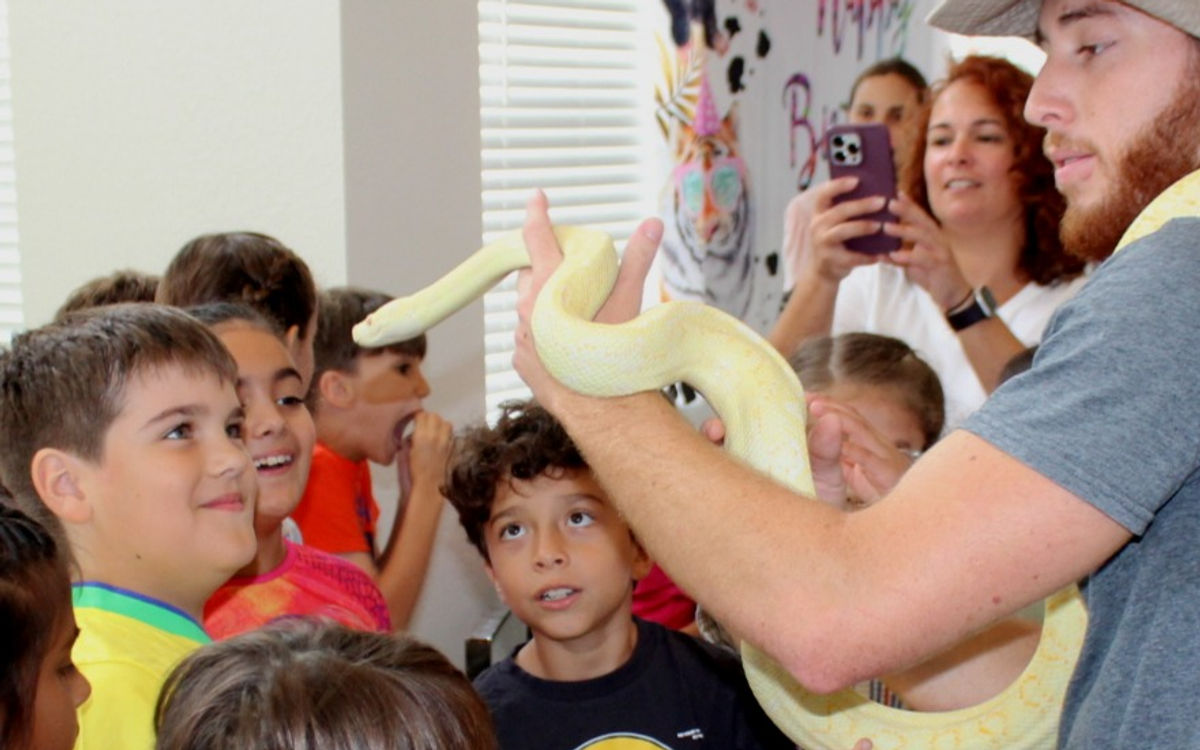
Snakes
Darwin Carpet Python
“Carpet” refers to their intricate, patterned scales that resemble an ornate carpet.
Want to Meet One?
Book an encounter and see this animal in person, or ask us anything about its care.
Book an Encounter