← Back to Quick Guides
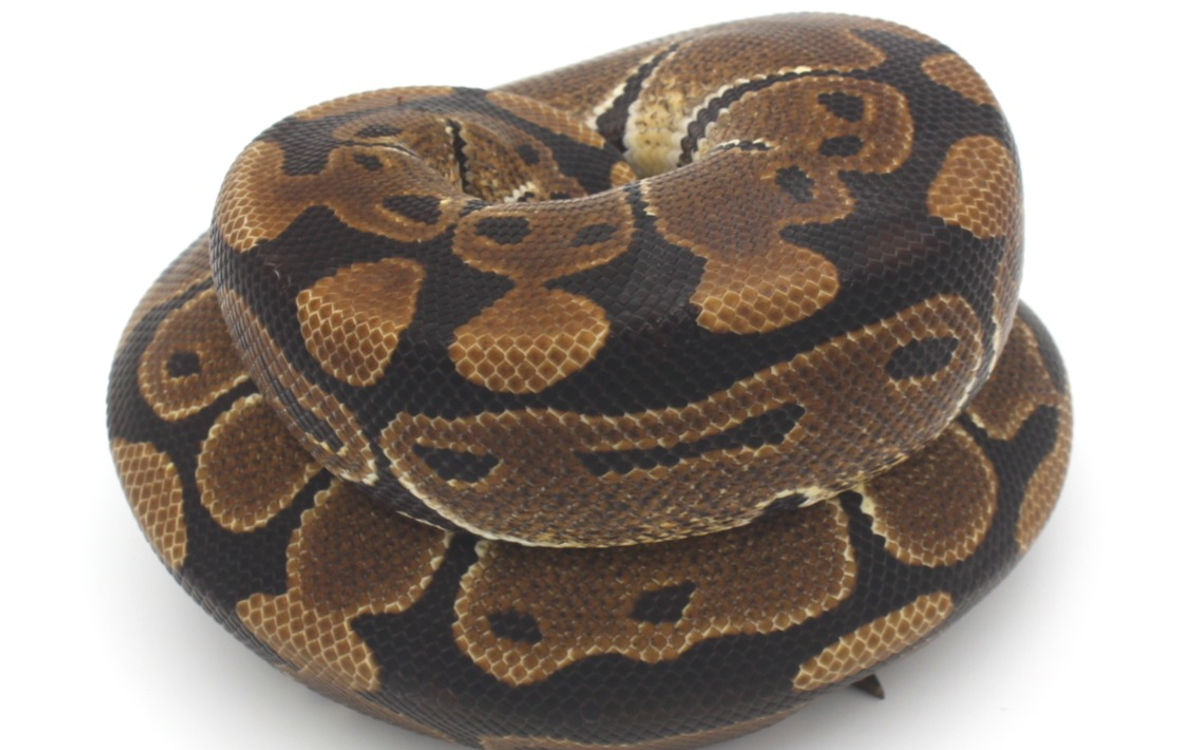
Adult ball pythons thrive in 4 ft x 2 ft x 2 ft minimum enclosures; larger females benefit from 5–6 ft length. Use cypress mulch or coconut husk—both maintain humidity safely. Provide tight hides on both warm and cool sides.
Basking spot 88–92°F, warm side 85–88°F, cool side 75–80°F, humidity 55–65% (higher during shed 65–75%). UVB not required, but low-level UVB (2–5%) is beneficial.
Ideal temperature range 75–90°F. Short-term lows of 70°F and highs of 94°F tolerated but not recommended.
Weekly Feeding Schedule (by size)
Food Options
Watch for mites, respiratory infections (wheezing, open-mouth breathing), stomatitis (mouth rot), and inclusion body disease (rare but fatal). Parasites more common in wild-caught specimens. Maintain humidity properly to avoid shedding issues. Clean enclosure regularly to prevent bacterial growth.
Ball pythons are slow and calm when handled correctly. Support the body with two hands, avoid fast movements, and never grab from above. They can become stressed with very frequent or rough handling, so keep sessions short and calm.
 Boa Constrictor
Scientific Name: Boa constrictor constrictor / Boa imperator Species Name & Origin: Called the “boa constrictor” because of its method of subduing prey by constriction.
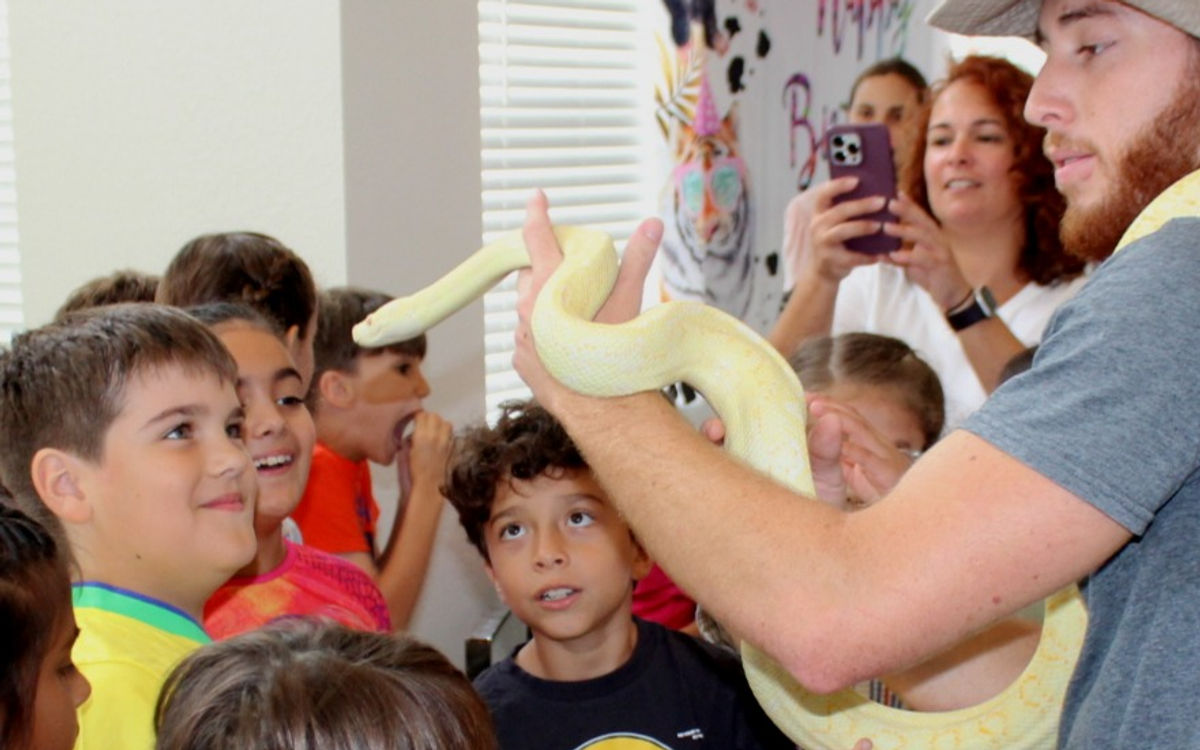
“Carpet” refers to their intricate, patterned scales that resemble an ornate carpet.
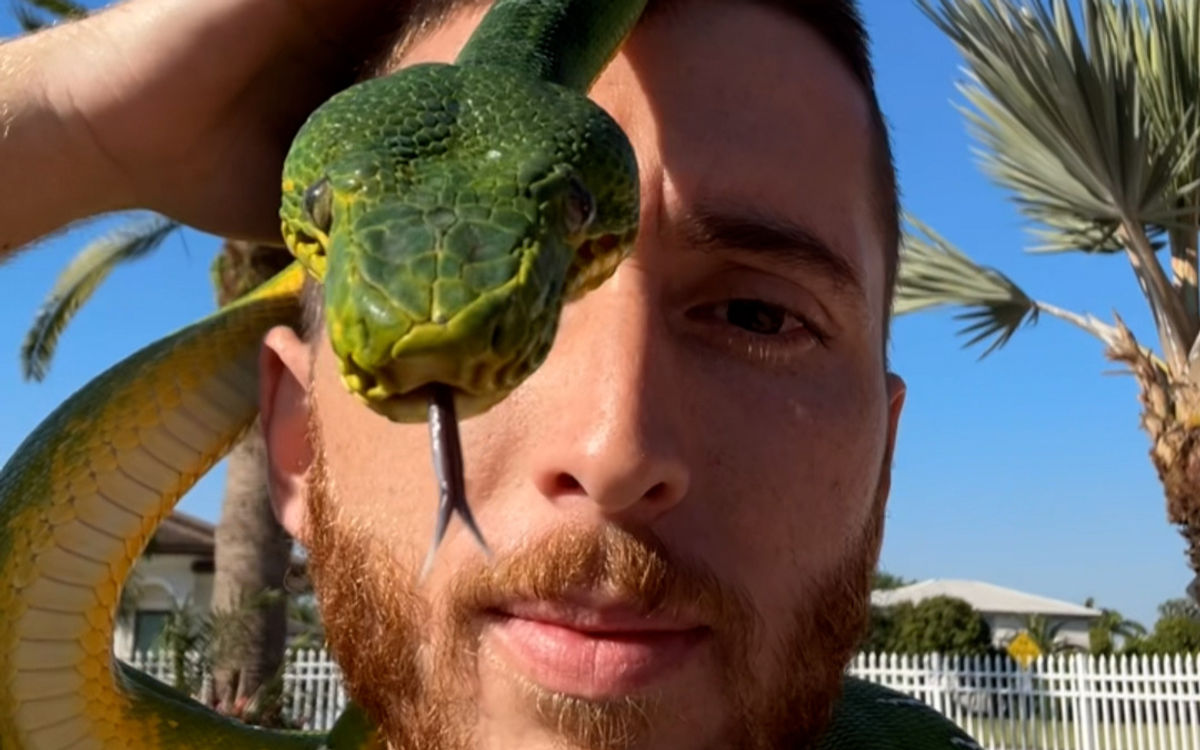
Scientific Name: Corallus caninus The emerald tree boa gets its name from its bright emerald-green coloration and striking white lightning-bolt pattern.
Book an encounter and see this animal in person, or ask us anything about its care.
Book an Encounter