← Back to Quick Guides
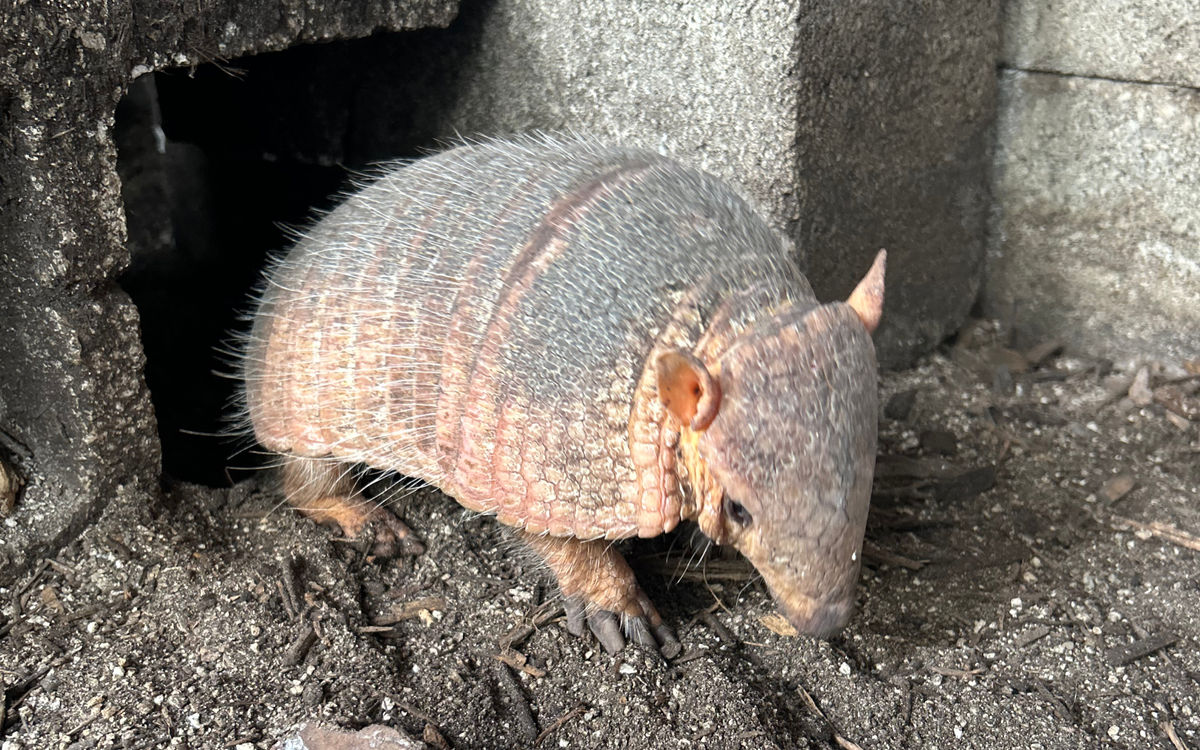
Chaetophractus vellerosus
The screaming hairy armadillo gets its name from the loud, high-pitched scream it makes when threatened. It is one of the smaller armadillo species, usually 10–15 inches long with a lifespan of 10–15 years in human care. Native to Argentina, Bolivia, Paraguay, and parts of Chile, it lives in dry grasslands, deserts, and scrub regions.
They are solitary, highly active diggers, and primarily nocturnal/crepuscular. Their body is covered in long hairs that provide warmth and help catch sand and dirt when digging. Their scream serves as a defense tactic.
Fun facts
Provide a spacious, dig-friendly setup. Minimum 8 ft x 6 ft indoor pen; outdoor pens should be larger. They require deep substrate for digging—cypress mulch, coconut husk, and sand/soil mixes are ideal and safe.
Temps
They tolerate cool nights down to the mid-50s, but optimal range is 70–85°F. They can tolerate heat up to the low 90s if shaded and provided with deep substrate or burrows.
They are omnivores with insect-heavy diets.
Weekly Schedule (adult)
Food categories
Concerns
Low humidity and correct temperatures are critical.
Screaming hairy armadillos can be skittish but usually tame with regular interaction. They may vocalize when picked up. Avoid excessive handling—they can stress if over-restrained.
Handling tips
They are not ideal show animals due to
They do not meet most show-animal requirements.
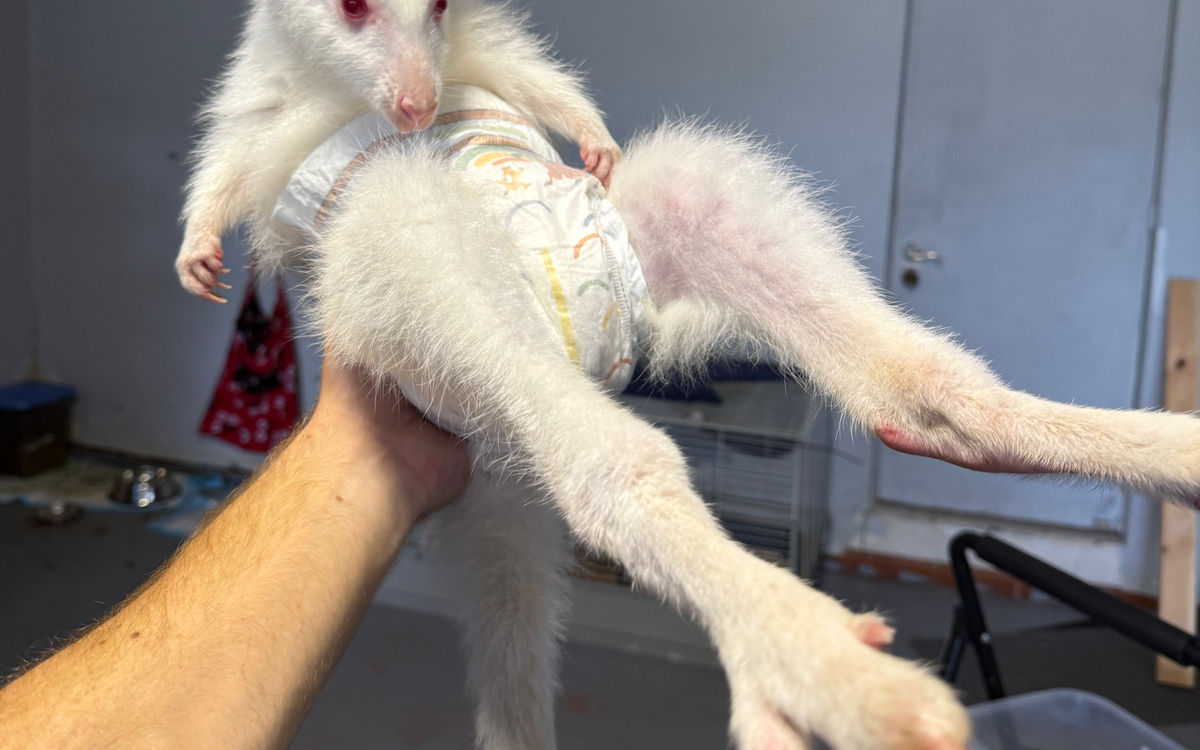
Scientific Name: Macropus rufogriseus Name Origin: Called the “Bennett’s” wallaby after naturalist George Bennett; “wallaby” comes from the Dharug Indigenous word walabi.

Scientific Name: Vulpes zerda Name Meaning: “Fennec” comes from Arabic fanak, meaning fox.

Scientific Name: Oryctolagus cuniculus domesticus Species Name & Origin: Known as the “Flemish Giant” because the breed originated in Flanders (Belgium) and is famous for its unusually large size.
Book an encounter and see this animal in person, or ask us anything about its care.
Book an Encounter