
← Back to Quick Guides
Fun Facts
Adult fennec foxes need a large, secure enclosure, ideally at least 6 ft x 6 ft x 4 ft, bigger if possible. They benefit from multi-level platforms, tunnels, hides, and deep dig areas. Cypress mulch, sand-soil mixes, or naturalistic loose substrates work well and allow natural digging.
Temperatures should stay 75–85°F with a heated hide around 90–95°F available. Cool side around 72–75°F. Humidity low—20–40%. No UVB is required, but it doesn’t harm them if provided.
They can tolerate heat up to the low 100s if shade and water are available, but should not drop below 60°F for extended periods. Under 55°F, bring indoors or provide heated shelter.
Feed small meals daily, as their fast metabolism mimics a natural insect-heavy diet.
Weekly Feeding Rhythm
Staples
Hydration
Always provide fresh water in a heavy bowl. Some prefer drinking from water bottles. They stay hydrated well but may drink more in hot weather.
Supplements
Dust insects with calcium 2–3x/week; add a multivitamin 1x/week.
Fennec foxes are fast and delicate. Many dislike excessive handling and may get stressed with restraint. Move calmly and support their torso—never grab by scruff. Use food lures to encourage voluntary handling.
They can be friendly with consistent socialization but may nip if startled. Loud environments may stress them. For kids, fennecs are situational—safe only with a calm, fully socialized individual and controlled handling from staff.
To be used in shows, the fennec fox must be:
Most fennecs are not ideal for petting-heavy shows, but a well-trained individual can work for controlled viewing and gentle interactions.
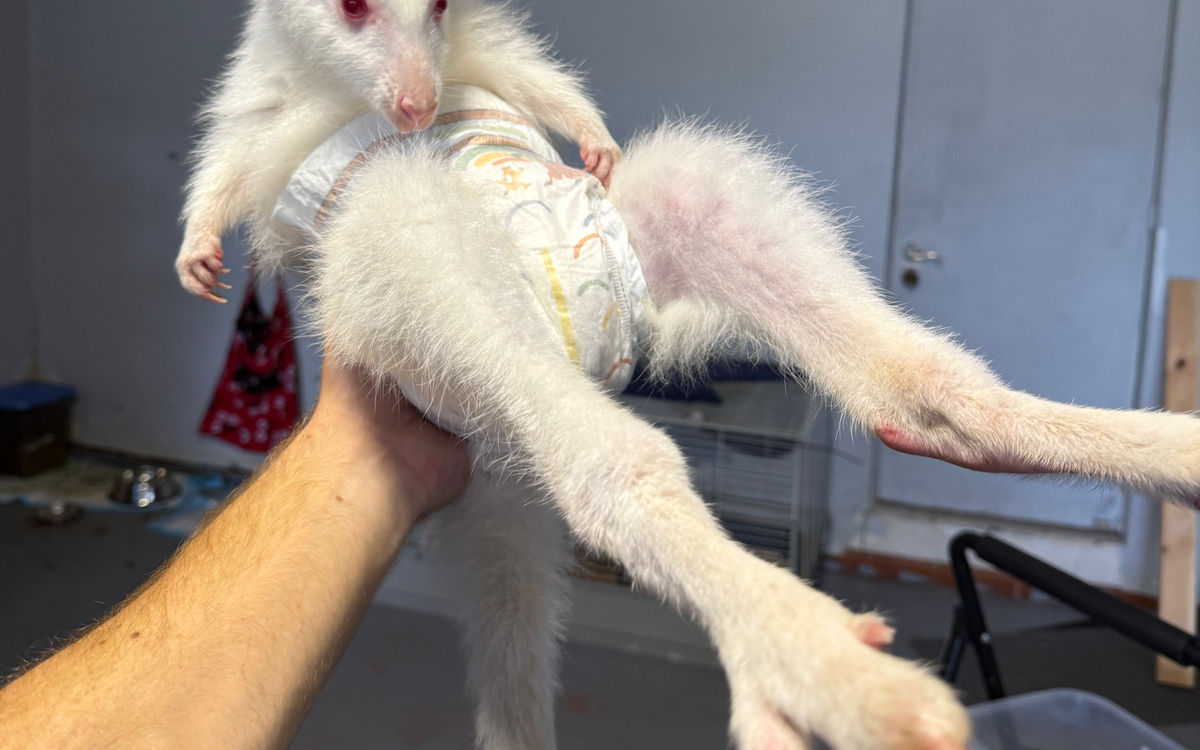
Scientific Name: Macropus rufogriseus Name Origin: Called the “Bennett’s” wallaby after naturalist George Bennett; “wallaby” comes from the Dharug Indigenous word walabi.
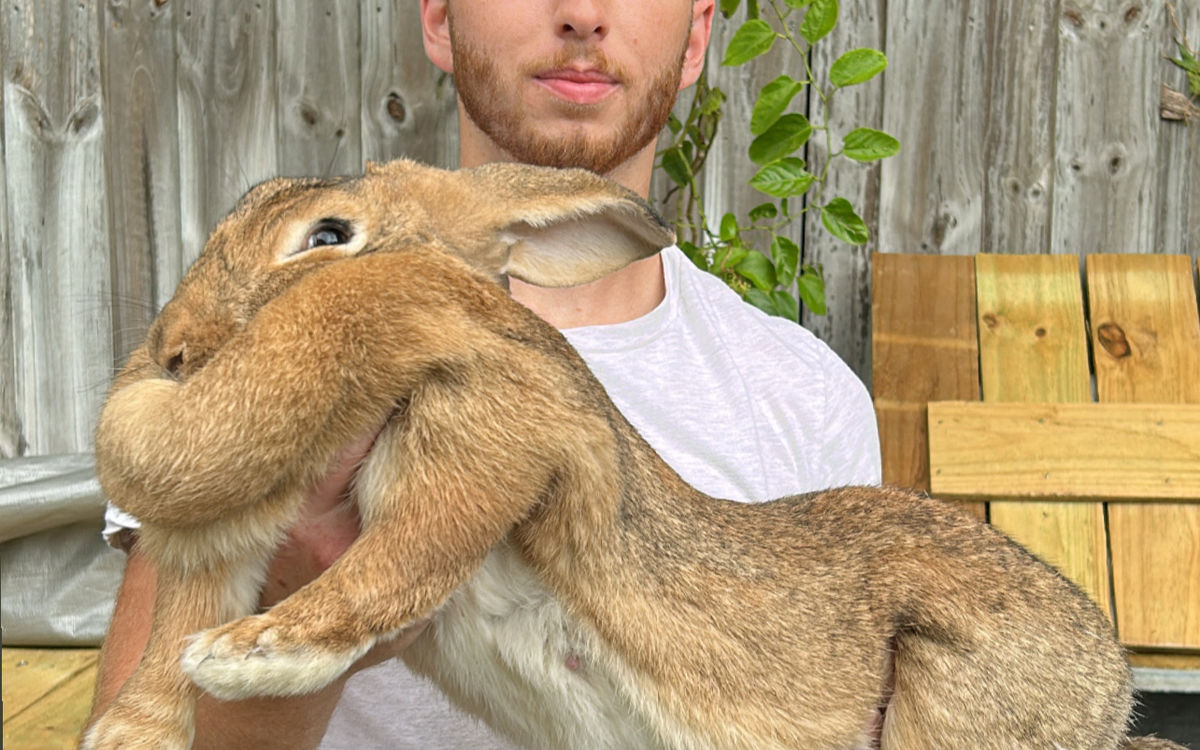
Scientific Name: Oryctolagus cuniculus domesticus Species Name & Origin: Known as the “Flemish Giant” because the breed originated in Flanders (Belgium) and is famous for its unusually large size.
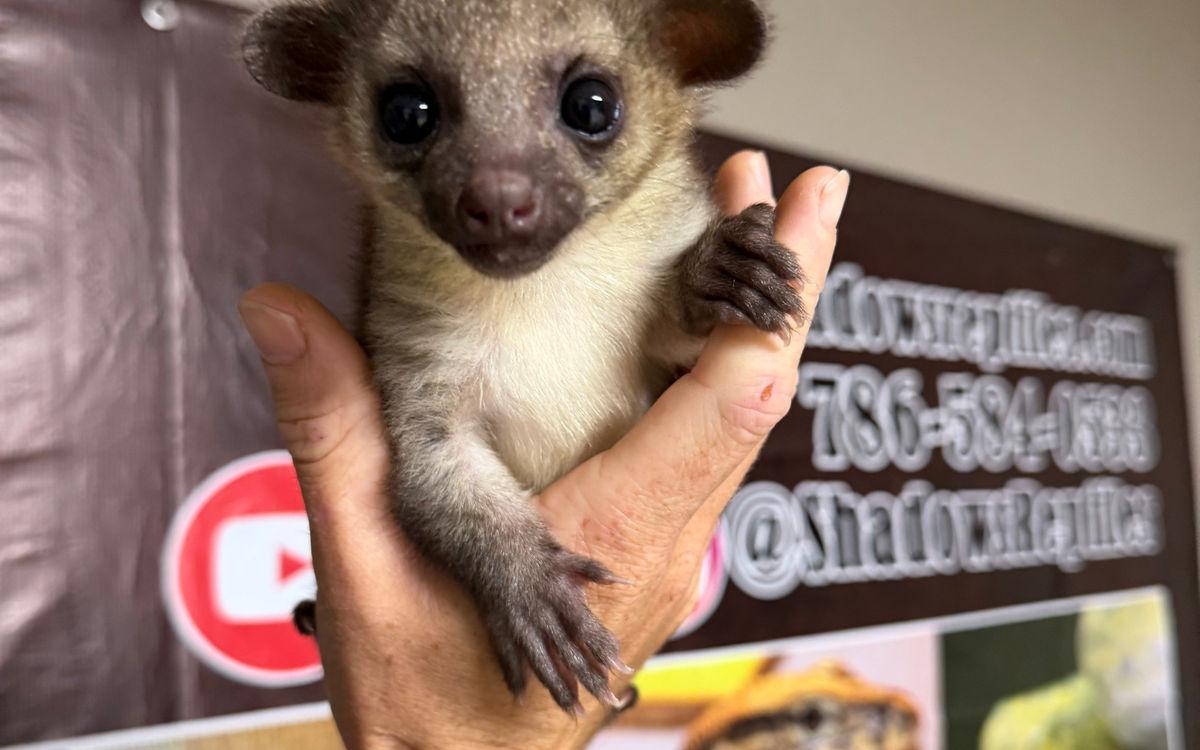
The kinkajou (Potos flavus) is a nocturnal arboreal mammal often called the “honey bear”—not because it’s a bear, but because of its love for sweet fruits and nectar.
Book an encounter and see this animal in person, or ask us anything about its care.
Book an Encounter