← Back to Quick Guides
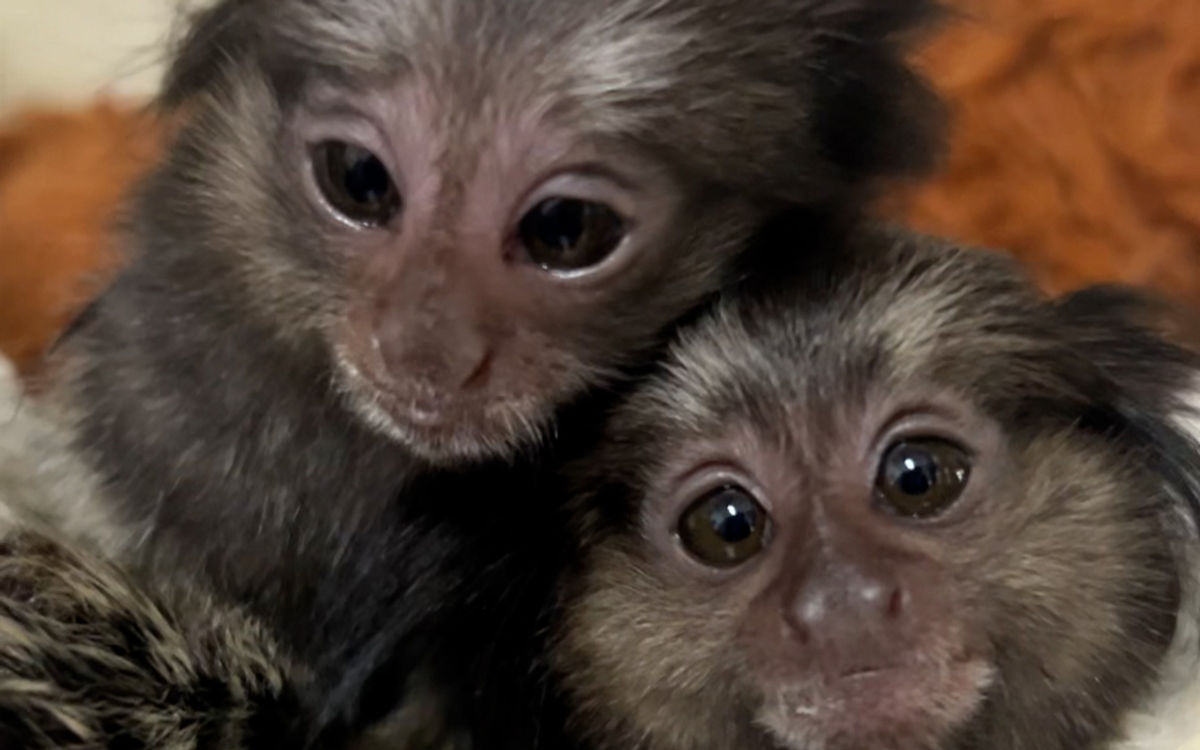
The marmoset monkey (Callithrix spp.) is a tiny New World primate known for its expressive eyes, long tail, and distinctive ear tufts. They get their name from their quiet, murmuring vocalizations. Adults typically reach 7–12 inches (not including the tail) and live 10–16 years in human care.
Marmosets originate from the tropical forests of Brazil, thriving in warm, humid climates with dense trees. They are highly active, social, and vocal, living in family groups in the wild.
They are diurnal, sleeping at night and active during the day. Their appearance—slender body, claw-like nails, and long tail—comes from adaptations for climbing and leaping through treetops.
Provide a tall enclosure, minimum 6 ft tall × 6 ft wide × 4 ft deep for one to two animals, with lots of branches, ropes, shelves, and enrichment.
Use safe mulch bedding, such as cypress mulch, to help maintain humidity.
Keep daytime temperatures 78–90°F with a drop to 75–80°F at night. They require 40–60% humidity, increased during shedding. No basking lamp is needed, but they benefit from full-spectrum lighting with UVB for bone and immune health.
Weekly Feeding Pattern
Feed twice daily. Offer a base of high-quality marmoset diet (like Mazuri or ZuPreem) plus fresh produce and protein sources. Provide gum arabic or acacia gum daily to mimic natural exudate feeding.
Staples
Marmoset biscuits, gum arabic, acacia gum, hard-boiled egg pieces, insects (mealworms, crickets, dubia), cooked chicken, sweet potatoes, squash, mixed greens, blueberries, melon, banana (in moderation).
Treats
Papaya, mango, grapes (sparingly), apples, pears, carrots, yogurt drops (rare).
No Feed / Toxic
Avocado, caffeine, chocolate, onion, garlic, alcohol, raw potato, fruit pits, sugar-heavy foods, processed human foods.
Hydration
Provide fresh water daily in both a bowl and a sipper bottle, as some prefer one over the other. Offer diluted electrolyte water during heat or stress.
Supplements
Daily calcium with D3 (light dusting). Weekly multivitamin for primates. Marmosets are prone to metabolic bone disease, so UVB + calcium is essential.
Common risks include metabolic bone disease, diabetes, parasites, stomatitis, and respiratory infections.
They are also vulnerable to Herpes Simplex Virus Type 1, which is fatal to marmosets even from casual human contact (saliva, droplets). Avoid anyone with cold sores or recent outbreaks handling them.
Maintain strict hygiene and regular vet exams.
Marmosets can be skittish, energetic, and sensitive to overstimulation. They can become stressed with excessive handling or loud environments. Always move slow, calm, and steady when approaching.
They do best with short, positive sessions, not long handling periods.
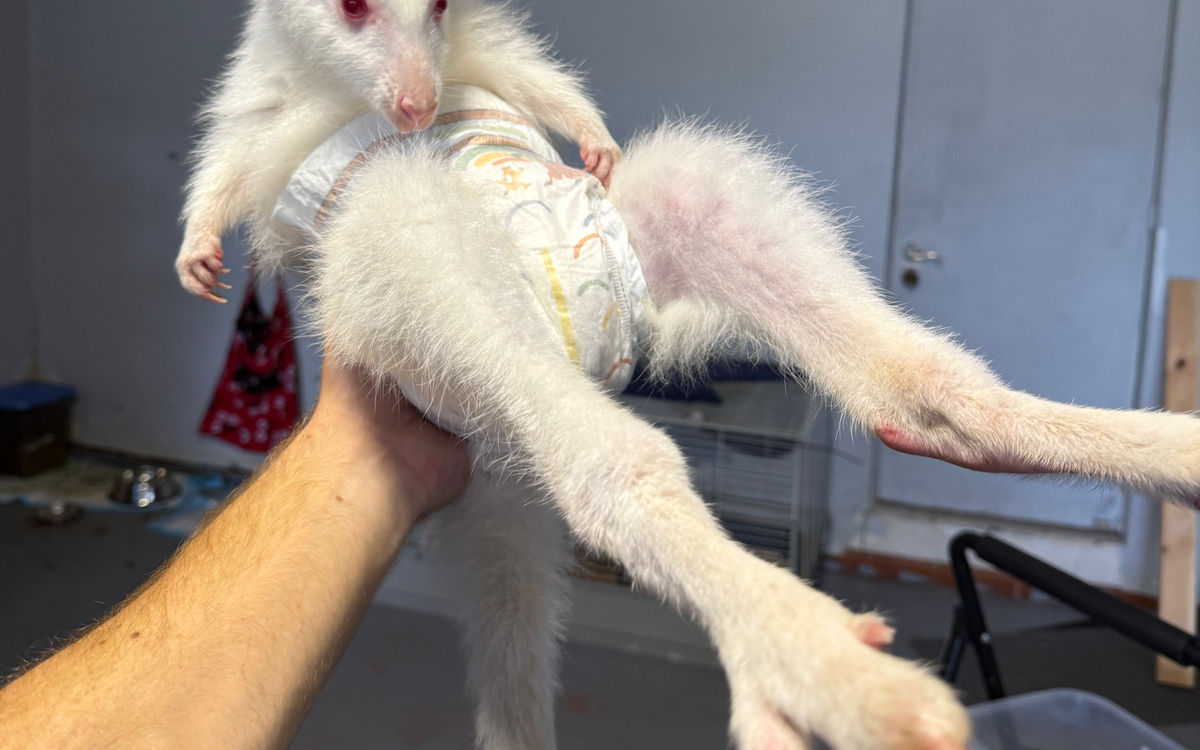
Scientific Name: Macropus rufogriseus Name Origin: Called the “Bennett’s” wallaby after naturalist George Bennett; “wallaby” comes from the Dharug Indigenous word walabi.

Scientific Name: Vulpes zerda Name Meaning: “Fennec” comes from Arabic fanak, meaning fox.

Scientific Name: Oryctolagus cuniculus domesticus Species Name & Origin: Known as the “Flemish Giant” because the breed originated in Flanders (Belgium) and is famous for its unusually large size.
Book an encounter and see this animal in person, or ask us anything about its care.
Book an Encounter