← Back to Quick Guides
Fun Facts
Provide a tall, climbing-heavy enclosure. Minimum size: 24” x 24” footprint and at least 4 ft tall for a pair, bigger is better.
Use safe substrate such as paper bedding or fleece liners. Avoid dusty substrates; cypress mulch is safe but not ideal because they climb rather than dig.
Ideal temperatures 75–80°F, humidity 40–60%. They do not require UVB but can benefit from very low-level UVB indoors.
Avoid temps below 65°F. They can handle up to 85°F but prolonged heat can cause stress. Provide lots of branches, pouches, fleece hammocks, and wheels (no wire wheels).
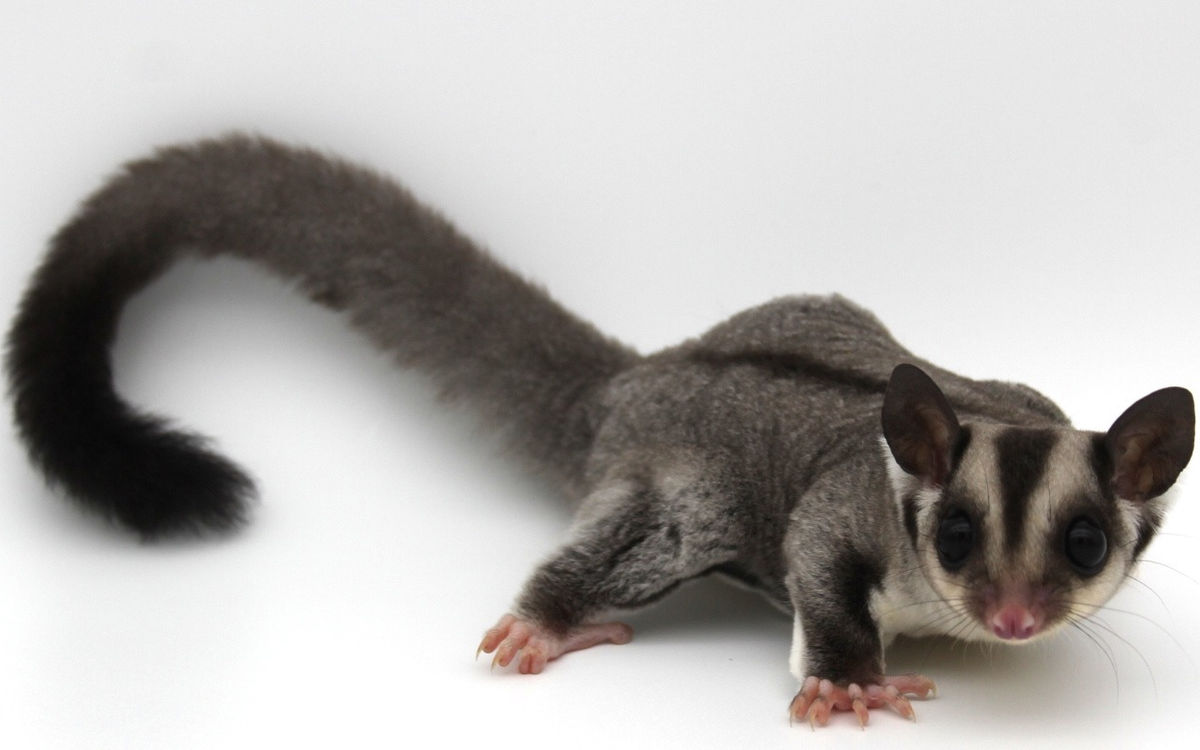
Sugar gliders are sap eaters and insectivores with a high need for variety.
Ideal diet includes nectar blends, protein, fruits, veggies, insects, and calcium balance.
Weekly Feeding Schedule (for adult gliders)
Staples
Treats
No Feed / Toxic
Hydration
Use a water bowl or bottle—bowls encourage better hydration. Offer nectar mixtures nightly.
Supplements
Calcium with D3 depending on diet plan (BML/HPW already balanced). Avoid oversupplementation.
Diet Behaviors
Nocturnal eating; stash food; may refuse new foods until introduced slowly. Very sensitive to poor calcium ratios—risk of hind-leg paralysis if diet is wrong.
Common risks include parasites, malnutrition, hind-leg paralysis (from poor calcium), dehydration, dental disease, stress-related illness, and bacterial infections.
Stress and improper diet are the leading causes of fatal issues.
Sugar gliders bond deeply but require patience. Can get stressed with rough handling or new people.
Handle with slow, gentle movements. Best method is allowing them to climb onto you rather than grabbing.
Carry in bonding pouches to build trust. Avoid waking them during the day unless necessary—they will crab and can nip.
For shows
They can be good for quiet, controlled, small groups but can be stressed by loud kids. Not ideal for high-energy birthday parties with many children touching them.
Use only fully bonded, confident individuals. They move quickly and can leap away if startled.
Conclusion
Sugar gliders are not ideal show animals for high-volume or high-heat environments. Best used in calm, educational demos only.
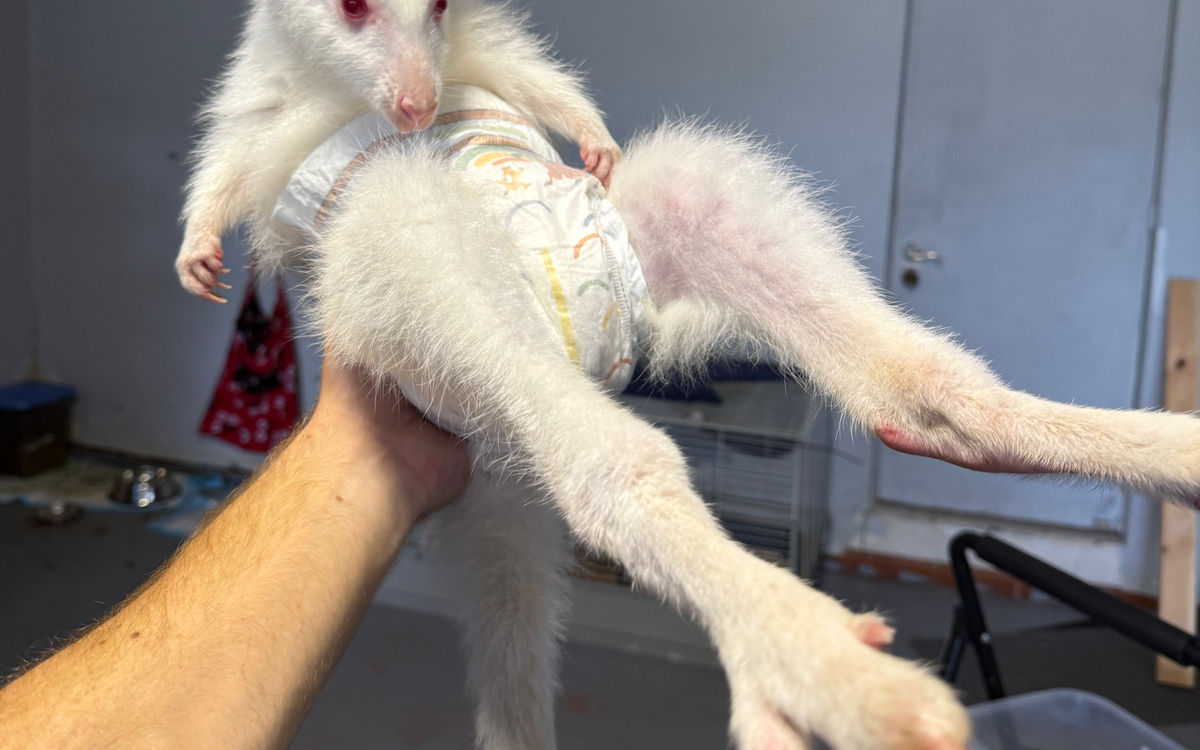
Scientific Name: Macropus rufogriseus Name Origin: Called the “Bennett’s” wallaby after naturalist George Bennett; “wallaby” comes from the Dharug Indigenous word walabi.

Scientific Name: Vulpes zerda Name Meaning: “Fennec” comes from Arabic fanak, meaning fox.
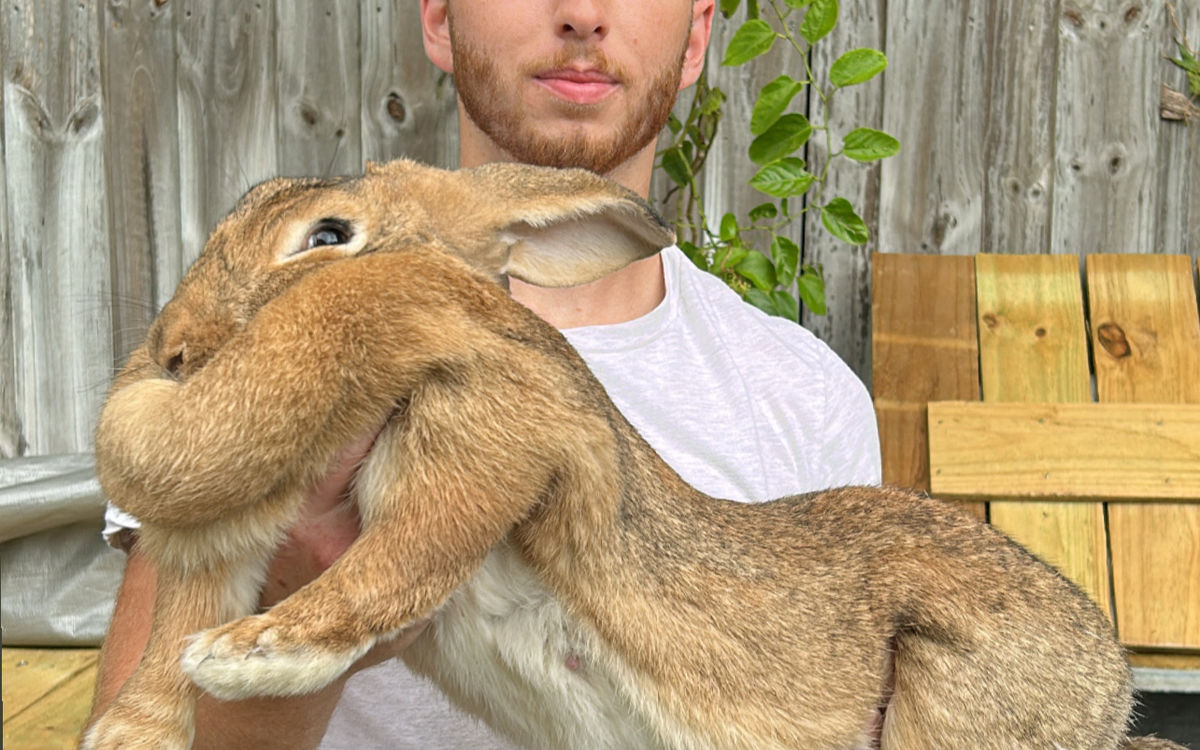
Scientific Name: Oryctolagus cuniculus domesticus Species Name & Origin: Known as the “Flemish Giant” because the breed originated in Flanders (Belgium) and is famous for its unusually large size.
Book an encounter and see this animal in person, or ask us anything about its care.
Book an Encounter