← Back to Quick Guides
Fun Facts
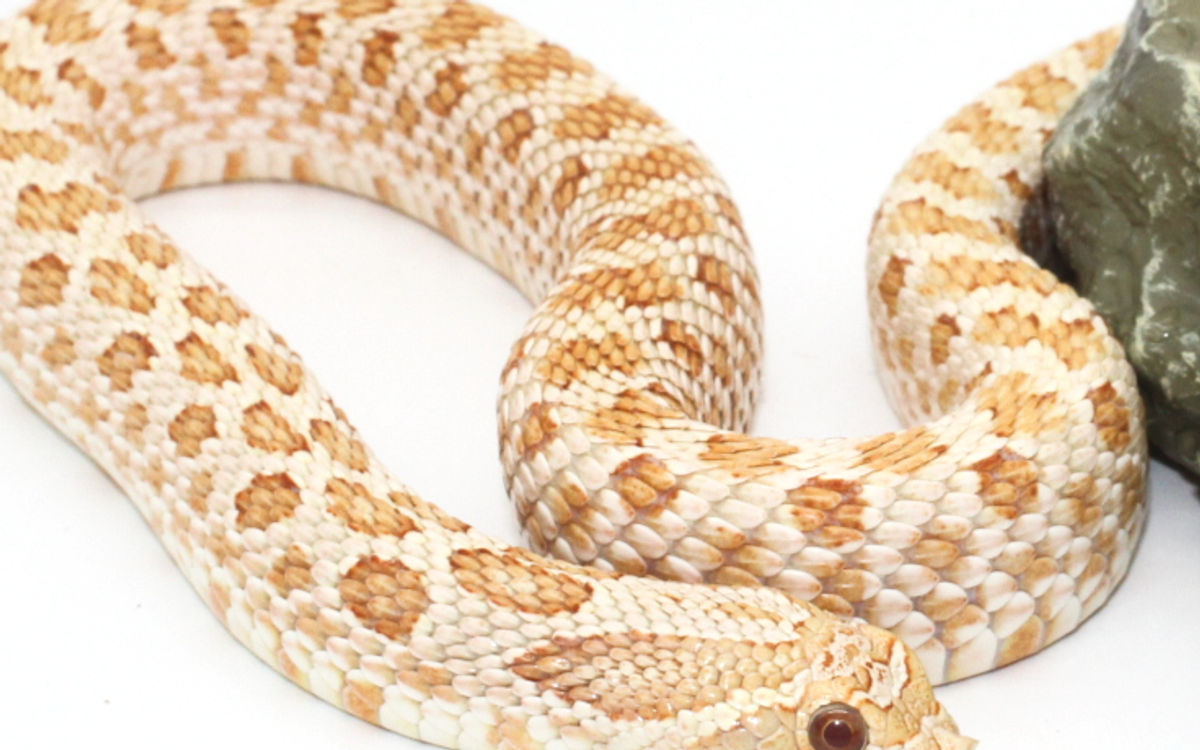
A single adult thrives in a 20–40 gallon long enclosure with plenty of floor space. Use loose, diggable substrate—cypress mulch mixed with sand or aspen is ideal and safe. Provide multiple hides.
Temperature Tolerance
Ideal range 75–90°F. They can tolerate brief drops to mid-60s and short spikes to mid-90s, but avoid extremes.
Hognoses eat mostly appropriately sized mice in captivity. Some individuals are picky and may refuse food during stress or seasonally.
Weekly Feeding Schedule
Food Options
Hydration
Keep a small, shallow water bowl available at all times. They do not soak often but will drink regularly.
Supplements
Generally no calcium needed unless feeding soft-bodied prey. Vitamin supplements unnecessary when feeding mice.
Diet-Related Behaviors
Picky eating is extremely common. Scenting prey with tuna, salmon, frog, or gecko can help. Avoid overfeeding—hognoses become obese easily.
Potential health concerns include
Monitor for wheezing, mouth bubbles, stuck shed, refusing food long-term, or weight changes.
Hognoses are generally tolerant and calm once used to handling. Babies may bluff, hiss, or head-flatten—this is all harmless behavior. Avoid handling too much right after meals (wait 48 hours).
They can get stressed with excessive handling, especially during shedding or if they haven't eaten recently.
Handling Tips
Good for Shows?
Yes, with conditions. Western hognoses typically make excellent show snakes because:
However, choose only very calm individuals that do not bluff excessively around crowds. Babies are not suitable—use adults only.
A hognose meets nearly all requirements if well socialized:
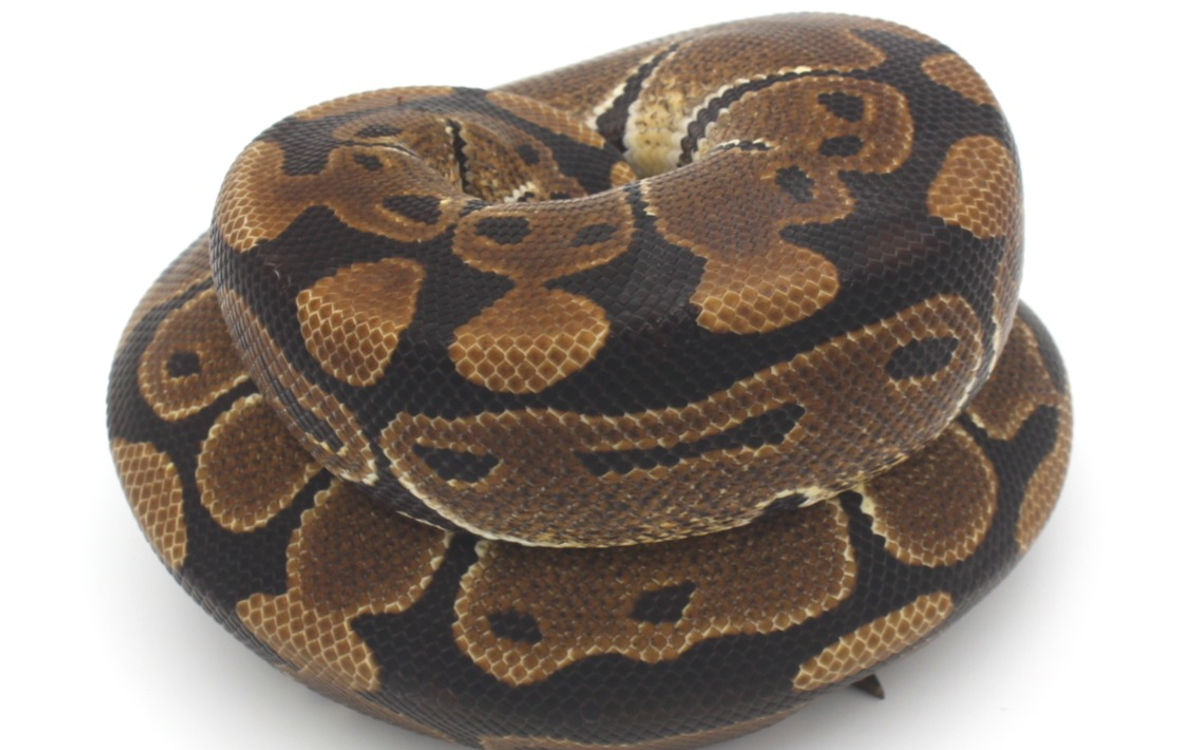
Scientific Name: Python regius Why the Name: “Ball” python because they curl tightly into a ball when stressed or scared.
 Boa Constrictor
Scientific Name: Boa constrictor constrictor / Boa imperator Species Name & Origin: Called the “boa constrictor” because of its method of subduing prey by constriction.
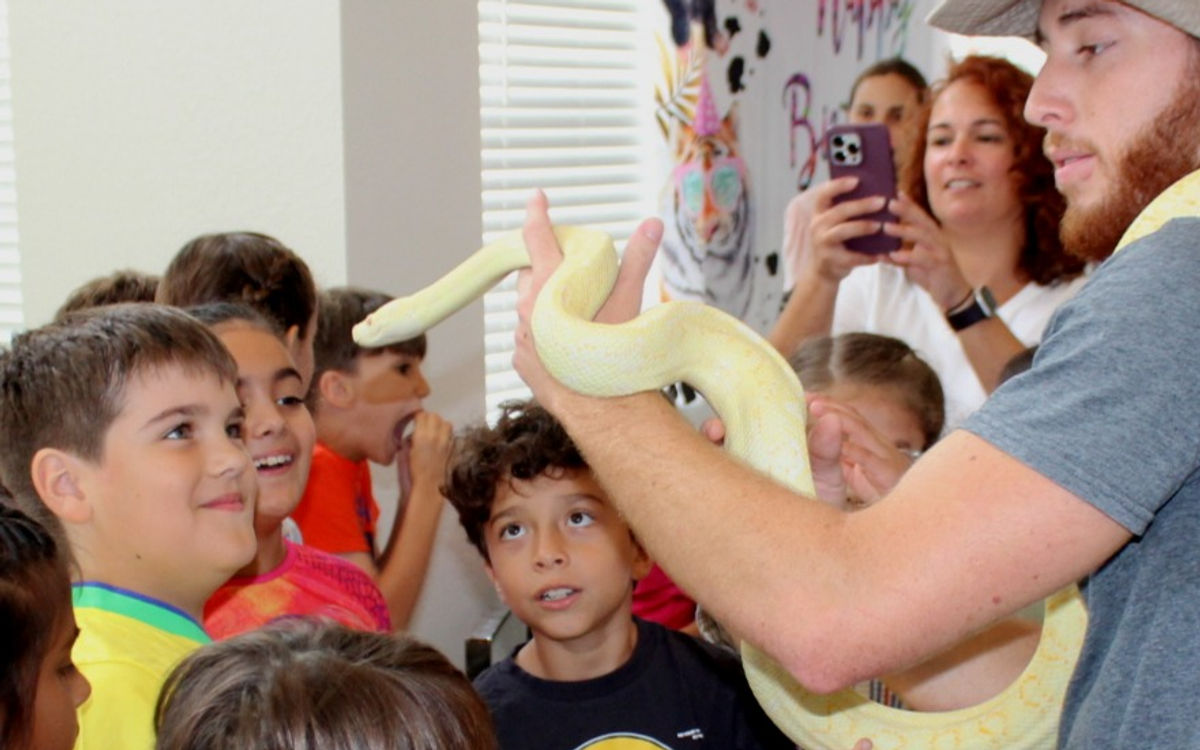
“Carpet” refers to their intricate, patterned scales that resemble an ornate carpet.
Book an encounter and see this animal in person, or ask us anything about its care.
Book an Encounter